Effective winter hive protection requires a three-pronged strategy centered on pest exclusion, wind mitigation, and moisture management. To ensure colony survival, you must install mouse guards and entrance reducers to physically block rodents, position the hive or use barriers like tar paper to shield against wind, and establish ventilation that prevents internal condensation.
The primary threat to overwintering bees is often not the cold itself, but the combination of moisture and drafts. Your objective is to secure the hive perimeter against intruders while maintaining a dry, ventilated internal environment that allows the colony to cluster effectively.
Physical Security: Excluding Pests
The Necessity of Mouse Guards
As temperatures drop, rodents actively seek shelter and food. A beehive offers both warmth and wax comb, making it a prime target.
To prevent nesting, you must install mouse guards at the hive entrance.
Selecting the Right Barrier
Hardware mesh is a highly effective material for these guards. It provides a robust physical barrier against rodents while maintaining necessary airflow.
Crucially, the mesh size must be calibrated carefully. It must block pests but remain large enough to allow bees to exit for "cleansing flights"—brief sorties to eliminate waste—during unseasonably warm days.
Entrance Reduction
In addition to guards, use entrance reducers to minimize the opening size. This limits the area the colony must defend and prevents larger pests from entering.
You can use manufactured reducers specific to your hive type. Alternatively, natural materials such as small pinecones, sticks, or pieces of chestnut can be wedged into the entrance to achieve the same result.
Environmental Management: Wind and Heat
Creating Windbreaks
Wind strips heat away from the hive, forcing the colony to consume more honey to maintain cluster temperature. Hives should be positioned in locations naturally protected from prevailing winds.
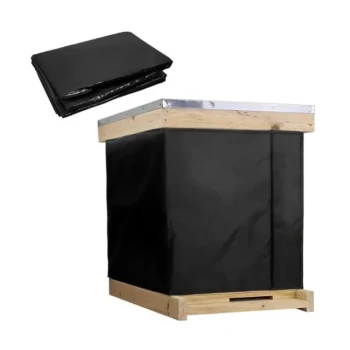
If natural shelter is unavailable, you can wrap the sides of the hive in tar paper.
Thermal Advantages of Tar Paper
Tar paper serves a dual purpose. First, it acts as a windbreak. Second, its dark color absorbs solar radiation on sunny days, providing passive heat gain.
Unlike plastic wraps, tar paper is generally more breathable. This helps mitigate the risk of trapping excess moisture within the hive walls.
Insulation Options
For climates requiring substantial heat retention, you can apply foam insulation or specialized bee wraps. Autumn is the optimal time to install these layers to prepare the hive before the deep freeze sets in.
Managing Colony Stress and Resources
Safe Supplemental Feeding
If stored resources are low, supplemental feeding may be necessary. However, this carries thermal risks.
Feeding should ideally occur when ambient temperatures reach approximately 50 degrees Fahrenheit.
Minimizing Heat Loss
Every time you open the hive, critical heat escapes. When placing pollen patties or feed on the top bars, limiting the duration of the opening is vital.
Keep the hive open for no more than 10 to 15 seconds. Speed and efficiency are required to prevent chilling the cluster and inducing cold stress.
Understanding the Trade-offs
Insulation vs. Ventilation
A common pitfall is sealing the hive too tightly in an attempt to retain heat. This traps metabolic moisture created by the bees, leading to condensation.
Cold bees survive; wet bees die. You must balance insulation with adequate ventilation to ensure humidity can escape. Using breathable materials like tar paper rather than impermeable plastic helps mitigate this risk.
Inspection Risks
While monitoring the hive is important, physical inspections during winter are dangerous. Breaking the propolis seal or exposing the cluster to freezing air can be fatal to the colony.
Rely on external observations (entrance activity, weight checks) rather than internal inspections whenever temperatures are below the 50-degree threshold.
Making the Right Choice for Your Goal
To apply these principles effectively, prioritize based on your specific environment:
- If your primary focus is preventing physical damage: Install hardware mesh mouse guards immediately in autumn to protect the comb from rodent destruction while permitting bee egress.
- If your primary focus is thermal regulation: Utilize tar paper wraps to block wind and gain solar heat without compromising moisture release.
- If your primary focus is resource management: Conduct supplemental feeding only during brief warm spells (50°F+), ensuring the hive is open for less than 15 seconds.
Secure the perimeter, block the wind, but always let the hive breathe.
Summary Table:
| Protection Category | Key Measure | Objective |
|---|---|---|
| Pest Control | Mouse guards & entrance reducers | Prevent rodent nesting and protect wax combs |
| Wind Mitigation | Tar paper wraps or natural barriers | Reduce heat loss and provide passive solar gain |
| Moisture Control | Breathable insulation & ventilation | Prevent condensation (Wet bees cannot survive) |
| Thermal Safety | Brief inspections (max 15 sec) | Avoid chilling the cluster during supplemental feeding |
Maximize Your Colony Survival Rates with HONESTBEE
Protecting your investment during the harsh winter months requires professional-grade equipment. HONESTBEE is dedicated to supporting commercial apiaries and distributors with a comprehensive range of high-performance beekeeping tools and machinery. From robust hive-making equipment to specialized insulation materials and essential consumables, we provide everything needed to scale your operations and ensure hive health.
Ready to upgrade your wholesale supply? Contact us today to explore our full catalog and bulk pricing
Related Products
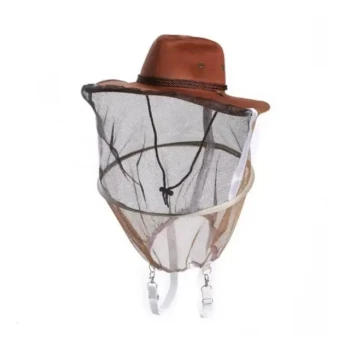
- Premium Cowboy Beekeeper Hat with Visibility Veil Outdoor Professional Beekeeping Protective Gear
- Professional Insulated Winter Hive Wrap for Beekeeping
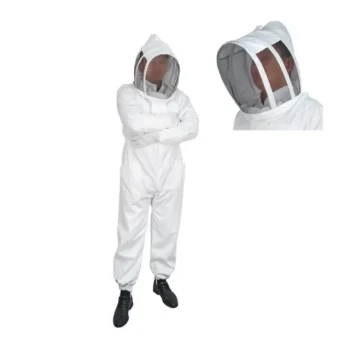
- White Cotton Beekeeping Jacket and Veil for Bee Keepers
- Beekeeping Jacket with Hood and Veil for Beekeepers
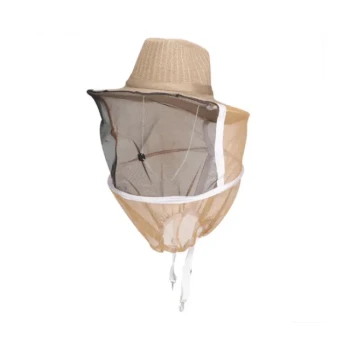
- Beekeeper Cowboy Hat and Veil for Beekeeping
People Also Ask
- What design features contribute to the stability and fit of the beekeeper hat? Key Features for Maximum Hive Safety
- How is the beekeeper hat designed for comfort and practicality? Explore Key Features for Enhanced Apiary Safety
- What is the general protective gear recommendation for new beekeepers? Your Essential Beginner's Safety Guide
- How does beekeeping protective gear facilitate the queen bee selection process? Enhancing Precision in Queen Breeding
- What should beekeepers consider when choosing protective gear? A Guide for Maximum Safety & Comfort