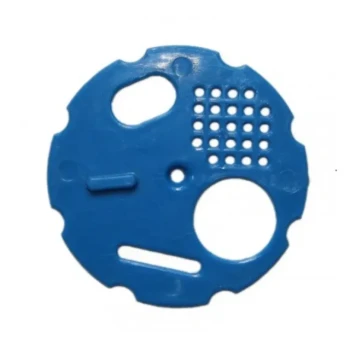
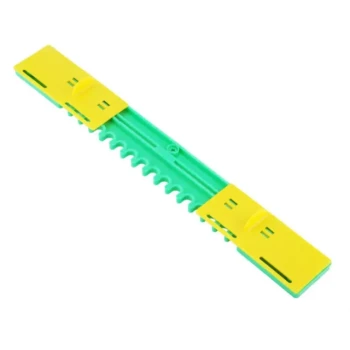
Reducing a beehive entrance for winter is most effectively done by installing a manufactured entrance reducer designed specifically for your hive type. Alternatively, you can utilize natural materials found near the apiary, such as small pinecones, sticks, or pieces of chestnut, to physically narrow the opening.
Core Takeaway Entrance reduction is a critical balance between thermodynamics and hygiene; you must limit cold air intake and exclude pests while maintaining enough airflow to prevent lethal condensation and allow bees to exit for cleansing flights.
Physical Methods for Reduction
Manufactured Reducers
The most reliable method is using a commercially produced entrance reducer. These are typically wooden or plastic inserts sized to fit the standard dimensions of your specific hive boxes. They usually offer different notch sizes, allowing you to select the smallest opening appropriate for winter conditions.
Natural Barriers
If commercial equipment is unavailable, natural items can serve as effective blocks. Placing small pinecones, sticks, or chestnuts into the entrance can narrow the gap. This method allows for customization but requires careful placement to ensure the blocks do not shift or completely seal the hive.
Hardware Mesh (Mouse Guards)
While primarily a pest deterrent, installing hardware mesh over the entrance acts as a functional reducer. The mesh size must be carefully calibrated; it should be small enough to stop rodents from nesting but large enough to allow bees to pass through freely.
The Principles of Winter Airflow
Limiting Cold Drafts
The primary goal of reduction is to minimize the volume of cold air entering the hive. By narrowing the entrance, you help the colony conserve the energy required to maintain the warmth of the winter cluster.
Facilitating Cleansing Flights
You must never completely seal the hive. On unseasonably warm winter days, bees require an unobstructed exit to perform "cleansing flights" to eliminate waste. A blocked entrance during a warm spell can be detrimental to hive hygiene and bee health.
Understanding the Trade-offs
Heat Retention vs. Moisture Accumulation
The most common pitfall in winterizing is prioritizing heat over ventilation. If an entrance is reduced too drastically without adequate upper ventilation, moisture from the bees' respiration will condense on the inner cover.
Cold rarely kills bees, but wet cold does. Excessive condensation can drip back onto the cluster, freezing and killing the colony.
Monitoring Requirements
Using natural materials requires more frequent inspection than manufactured reducers. Sticks or pinecones can be dislodged by wind or animals. You must ensure the entrance remains open enough for airflow but closed enough to prevent mice from entering.
Making the Right Choice for Your Goal
To ensure your colony survives the winter, choose the method that best aligns with your equipment and local climate conditions.
- If your primary focus is reliability: Use a manufactured entrance reducer combined with a hardware mesh mouse guard to ensure consistent sizing and pest protection.
- If your primary focus is cost or improvisation: Use natural materials like pinecones or sticks, but check them weekly to ensure they haven't shifted or blocked the bees' exit.
- If your primary focus is moisture control: Ensure your reduced entrance is paired with an upper ventilation method, such as a shim or a small air gap under the lid, to let humid air escape.
A properly reduced entrance is the first line of defense in helping a colony manage its own winter environment.
Summary Table:
| Method | Pros | Cons | Best Used For |
|---|---|---|---|
| Manufactured Reducer | Precise fit, durable, standardized notches | Requires specific sizing for hive boxes | Commercial apiaries & hobbyists seeking reliability |
| Natural Materials | Cost-effective, immediate, eco-friendly | Can shift or block exit; requires frequent checks | Emergency situations or temporary setups |
| Hardware Mesh | Excellent pest deterrent (mice/rodents) | Doesn't block drafts as effectively as wood | High-pest areas requiring combined protection |
| Upper Ventilation | Prevents lethal condensation buildup | Can cause heat loss if not balanced | High-humidity climates to avoid "wet cold" |
Maximize Your Colony’s Winter Survival with HONESTBEE
Protecting your bees from the winter chill requires the right tools and professional expertise. HONESTBEE specializes in supporting commercial apiaries and distributors with a comprehensive range of high-quality beekeeping equipment. From precision-engineered entrance reducers and hive hardware to advanced honey-processing machinery, we provide everything you need to scale your operations and ensure hive health.
Whether you are looking for bulk supplies of essential consumables or specialized hive-making equipment, our wholesale offerings are designed to deliver value and durability. Let us help you optimize your apiary’s performance and profitability.
Ready to upgrade your beekeeping equipment? Contact HONESTBEE Today to Discuss Your Wholesale Needs
Related Products
- Steel Round Disc Entrance Reducer for Flexzion Bee Hive Nuc Box Gate
- Beehive Entrance Reducer Guardian Metal Hive Entrance for Bees
- HONESTBEE Entrance Bee Feeder Professional Hive Nutrition Solution for Beekeeping
- Beehive Entrance Discs Plastic Bee Entrance Disc for Bee Hives
- Professional Hive Front Entrance Bee Feeder
People Also Ask
- What is the purpose of an entrance reducer for a beehive? Strengthen Colony Defense and Prevent Robbery
- Why are entrance reducers used to counter hornet infestations? Protect Your Hive with Strategic Choke Points
- Why is it critical to maintain a smaller entrance for a newly established bee hive? Boost Colony Growth and Security
- What is the function of an entrance reducer on a beehive? Strengthen Colony Defense and Climate Control
- Under what conditions should a beekeeper adjust the size of a beehive entrance? Seasonal & Defense Management Tips