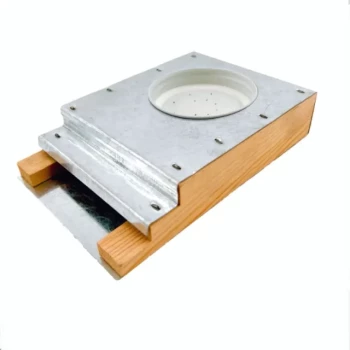
Precision and consistency are the primary operational advantages of using specialized top feeders and measuring tools in queen rearing. These devices allow for the exact quantification of nutritional delivery, utilize the hive's internal thermal energy to increase feed acceptance, and secure the solution against environmental volatility and theft by competing colonies.
Core Takeaway: In queen rearing, the method of delivery is as critical as the nutrient profile itself. Specialized feeding equipment isolates variables by using the colony's internal heat to optimize feed uptake while physically securing the solution, ensuring that experimental results reflect biological impact rather than inconsistent dosing.
Optimizing Delivery Through Thermal Regulation
Leveraging Rising Hive Heat
Standard feeders often leave liquids cold, which can deter bees from consumption. Specialized top feeders solve this by positioning the solution directly above the cluster.
This placement capitalizes on the natural heat rising from the bees below. The resulting warmth maintains the temperature of the liquid, making it significantly more palatable and acceptable to the colony.
Ensuring Data Integrity and Precision
Exact Quantitative Control
In nutritional interventions, knowing exactly how much a colony has consumed is vital. Top feeders are designed for "precise and quantitative delivery," removing the ambiguity often found in open-feeding methods.
Eliminating Concentration Variables
The enclosed structure of these feeders creates a controlled micro-environment for the solution. This prevents evaporation, which ensures the concentration of the liquid remains stable throughout the feeding period.
Without this protection, water loss could alter the viscosity and potency of the nutritional treatment, skewing the results of the intervention.
Security and Biosecurity
Prevention of Robbing Behavior
Nutritional supplements, particularly those high in sugar or specific proteins, attract bees from neighboring colonies. Top feeders isolate the food source within the target hive.
The enclosed design makes the solution inaccessible to outsiders, reducing the risk of "robbing." This ensures the specific test colony receives 100% of the intended dosage.
Understanding the Trade-offs
Specificity vs. Holistic Management
While top feeders excel at nutritional precision, they do not solve all operational challenges. Unlike hive stands, which isolate the colony from ground pests (ants) and improve ergonomics, top feeders address only the delivery of liquids.
Maintenance and Inspection
Furthermore, while tools like hive scrapers facilitate inspection, top feeders can occasionally complicate rapid visual checks of the frames below. Beekeepers must balance the need for precise feeding with the need for low-interference inspections of queen cells and larvae health.
Making the Right Choice for Your Goal
To maximize the success of your queen rearing nutritional protocols, align your equipment with your specific operational needs:
- If your primary focus is experimental consistency: Prioritize top feeders to eliminate evaporation and robbing, ensuring that every milliliter of solution is accounted for.
- If your primary focus is rapid uptake: Utilize the top-feeding method to leverage colony heat, ensuring the nutritional solution is warm and immediately inviting to the bees.
By strictly controlling the delivery mechanism, you transform nutritional supplementation from a variable into a constant, ensuring reliable outcomes in your queen rearing operations.
Summary Table:
| Feature | Operational Advantage | Impact on Queen Rearing |
|---|---|---|
| Thermal Regulation | Leverages rising hive heat to warm feed | Increases feed acceptance and palatability |
| Quantitative Control | Precise measurement via specialized cups | Ensures exact dosage for experimental consistency |
| Enclosed Design | Prevents evaporation and concentration shifts | Maintains nutrient potency and solution stability |
| Biosecurity | Eliminates robbing from neighboring colonies | Protects target colony resources and health |
Scale Your Apiary Operations with HONESTBEE
At HONESTBEE, we understand that precision is the foundation of successful commercial queen rearing. We provide a comprehensive wholesale range of professional beekeeping tools, from specialized feeders and hive-making machinery to honey-filling equipment and essential consumables.
Whether you are managing a large-scale commercial apiary or distributing high-quality hardware to local beekeepers, our portfolio is designed to enhance your operational efficiency and nutritional accuracy.
Ready to upgrade your equipment? Contact us today to discuss our bulk wholesale solutions and discover how HONESTBEE can support your industry growth.
References
- Nazia Haleem, Rajinder Kaur. Effect of nutritional supplements on queen cell production in honey bee (Apis mellifera). DOI: 10.31018/jans.v7i1.623
This article is also based on technical information from HonestBee Knowledge Base .
Related Products
- HONESTBEE Round Hive Top Bee Feeder for Syrup
- HONESTBEE Professional Hive Top Bee Feeder Feeding Solution
- Professional Hive Top Bee Feeder for Beekeeping
- HONESTBEE Square Top Hive Bee Feeder Top Bee Feeder
- Rapid Bee Feeder White Plastic 2L Round Top Feeder for 8 or 10-Frame Bee Hives
People Also Ask
- What can the round hive top feeder be used for? A Guide to Efficient, Safe Bee Feeding
- What types of hive boxes is the round hive top feeder compatible with? Universal Fit for 8 & 10-Frame Langstroth Hives
- What is the capacity of the round hive top feeder for syrup and pollen? A Guide to Targeted Apiary Support
- What types of feed can be used with the round hive top feeder? Versatile Feeding for Optimal Apiary Health
- What are the different types of top feeders for bees? Choosing the Best Feeder for Your Apiary