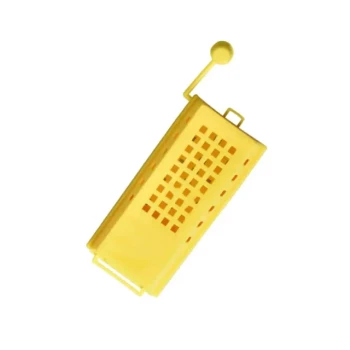
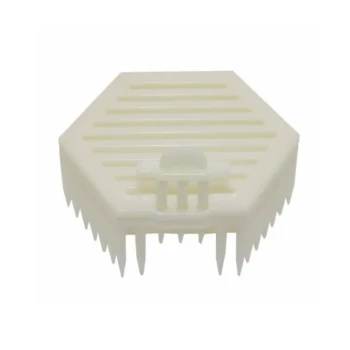
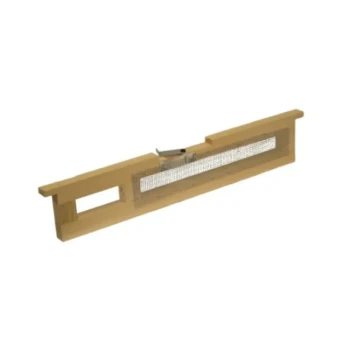
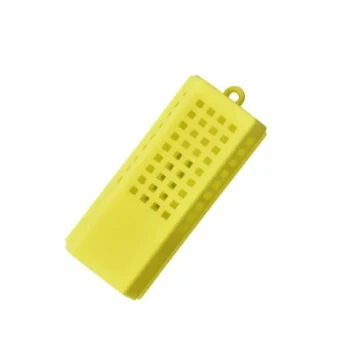
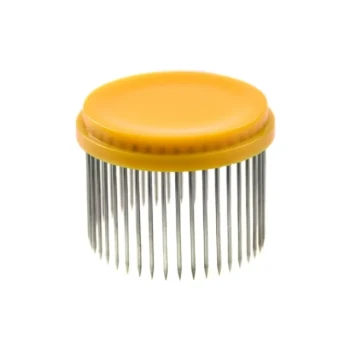
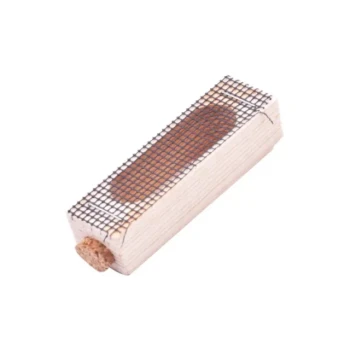
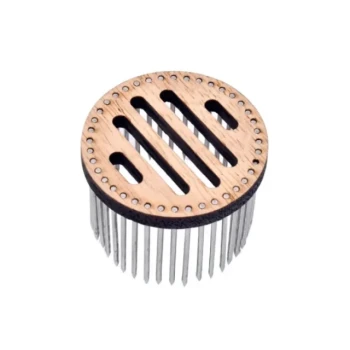
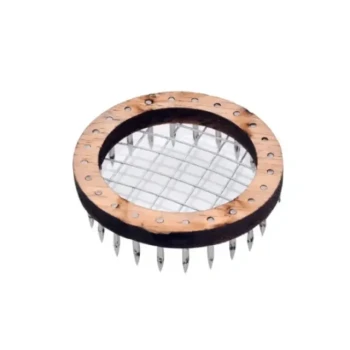
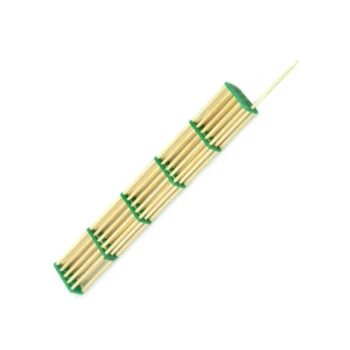
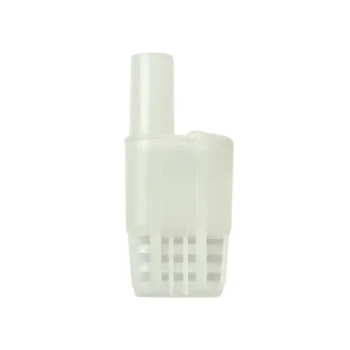
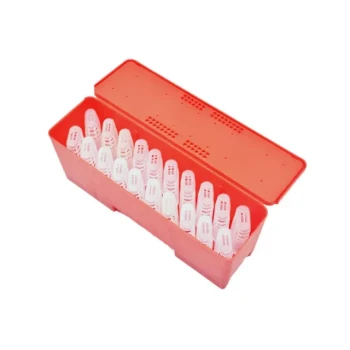
Worker bee acceptance depends on both the queen’s condition and the colony’s exposure to her pheromones. Heavier, mated, reproductively mature queens generally produce a stronger Queen Mandibular Pheromone (QMP) profile than young virgin queens, making them more likely to be accepted. A queen introduction cage reduces immediate aggression while allowing her chemical signals to spread gradually through the colony.
Core takeaway: Queen acceptance is a staged biological process, not simply a physical release. A properly designed cage provides protection, controlled pheromone exchange, worker access for feeding, and delayed release until the colony is more likely to recognize the queen as its own.
What Determines Worker Bee Acceptance?
Queen weight and physical development
Queen weight is an important physical indicator of maturity and reproductive condition. A heavier queen is often better developed and more capable of producing the pheromone signals associated with an established, productive queen.
Weight alone does not guarantee acceptance. It should be evaluated alongside mating status, age, ovarian development, and the queen’s ability to resume normal egg laying.
Mating and reproductive status
Mated queens are generally accepted more readily than virgin queens because mating is associated with reproductive maturity and a more complete QMP profile. A virgin queen may lack the full chemical signal that workers associate with an established colony queen.
A queen that is already laying, or is ready to resume laying, can restore colony organization more effectively than a queen that still requires mating and reproductive development.
Queen age and pheromone maturity
Young queens, particularly newly emerged or virgin queens, may produce a less developed pheromone profile. More mature queens generally provide stronger and more consistent chemical signals.
However, age should not be treated as an independent guarantee of quality. The practical objective is a healthy, well-mated queen with strong reproductive performance—not simply an older queen.
The colony’s response to the unfamiliar scent
Resident workers initially assess the introduced queen through odor and pheromone exchange. If her chemical profile is unfamiliar, workers may surround, bite, or ball her instead of tending to her.
Acceptance is more likely when workers begin feeding and grooming the queen calmly. Aggressive clinging to the cage, biting at the screen, or failure to provide food indicates that release may be premature.
How Queen Introduction Cages Support Acceptance
They create a physical safety barrier
The cage prevents workers from immediately contacting and attacking an unfamiliar queen. This is especially important during requeening, when the colony may still be responding to the loss or removal of its previous queen.
The barrier protects the queen while giving the colony time to process her presence without the irreversible risk of an immediate direct confrontation.
They allow gradual pheromone exchange
Mesh screens or perforations allow the queen’s pheromones to diffuse into the colony. Workers can detect and become accustomed to her chemical profile while she remains physically protected.
This makes the cage both a protective enclosure and a controlled medium for odor exchange.
They provide controlled worker access
Through the screen, workers can often feed and tend to the caged queen. This behavior is a useful sign that the colony is moving from rejection toward acceptance.
The cage should be positioned where worker bees can reach the screen easily. Placement over or near emerging brood can provide access to nurse bees, which are typically more receptive to queen introduction and can immediately care for her.
They delay release with a candy plug
Many introduction cages contain a chamber sealed with sugar candy or fondant. Workers gradually consume the plug over several days, releasing the queen only after the colony has had time to acclimate to her pheromones.
This delay reduces the risk of releasing the queen into a colony that is still aggressive. The candy plug is normally exposed before installation, and positioning it upward helps prevent dead attendants or debris from blocking the exit.
Reading Worker Behavior Before Release
Signs of developing acceptance
Workers tending the cage, feeding the queen through the screen, and remaining calm around her are positive indicators. A freely moving queen that is calmly surrounded and groomed is also more likely to have been accepted.
These observations are more useful than relying only on elapsed time because colony temperament and queen condition vary.
Signs that release is unsafe
Aggressive worker clinging, biting at the cage, loud agitation, or a lack of feeding suggest that the queen is not yet accepted. Releasing her under these conditions can result in injury or killing.
If the colony remains hostile, the beekeeper should reassess the colony’s queen status, strength, temperament, and introduction conditions rather than forcing release.
Using the Cage Correctly
Prepare the queen
Where appropriate, remove attendant bees before introduction so they do not create additional conflict with resident workers. This should be done carefully in an enclosed container to prevent the queen from escaping.
The objective is to introduce the queen with minimal competing odors and without unnecessary disturbance.
Create a suitable position in the brood area
A common approach is to remove a frame with little or no brood and place the cage in a central brood-box position. The screen should be accessible to workers, and the candy plug should face upward.
The location should provide steady worker contact without crushing bees or obstructing normal frame movement.
Allow sufficient acclimation time
The cage should remain in place while workers gradually consume the candy plug. The colony is generally left undisturbed for about one week before inspection, allowing time to confirm release and look for new eggs or other evidence of queen establishment.
Inspection should be purposeful and gentle. Excessive disturbance during the acclimation period can undermine an otherwise successful introduction.
Understanding the Trade-offs
Protection versus delayed establishment
A cage protects the queen, but it also delays her direct movement through the colony. The delay is beneficial when workers are suspicious, but an unsuitable cage position or blocked candy plug can postpone release unnecessarily.
Product selection should therefore prioritize reliable release timing, adequate ventilation, worker access, and ease of inspection.
Pheromone exposure does not guarantee acceptance
Cage-based acclimation improves the conditions for acceptance, but it cannot overcome every biological or management problem. A highly aggressive colony, an orphaned colony with developing queen cells, or a queen in poor reproductive condition may still reject her.
The cage is a risk-control tool—not a substitute for confirming colony readiness.
Cage design affects practical outcomes
Poor ventilation, inadequate screen access, fragile materials, or inconsistent candy-plug release can compromise the introduction. For commercial apiaries and distributors, product consistency is as important as basic cage function.
A dependable supply program should include cages suited to transport, field installation, inspection, and the operating conditions of the target market.
Making the Right Choice for Your Goal
Choose the introduction method and cage specification according to the biological risk and operational demands of the apiary.
- If your primary focus is maximum queen acceptance: Use a robust, well-mated queen with strong physical development and a cage that enables gradual pheromone exchange, worker feeding, and delayed release.
- If your primary focus is commercial apiary efficiency: Standardize cage dimensions, candy-plug performance, installation procedures, and inspection timing across colonies.
- If your primary focus is product sourcing or distribution: Select suppliers offering consistent cage quality, responsive technical support, reliable order fulfillment, and a broad complementary beekeeping portfolio.
- If your primary focus is diagnosing rejection: Monitor worker behavior at the cage; calm tending indicates progress, while aggressive clinging and failure to feed indicate that release should be delayed or conditions reassessed.
Successful queen introduction combines a biologically suitable queen with controlled, observable acclimation.
Summary Table:
| Factor | Impact on Acceptance |
|---|---|
| Queen weight & physical development | Heavier queens show better maturity, stronger pheromones, and higher acceptance. |
| Mating & reproductive status | Mated queens are accepted more readily than virgins due to complete pheromone profile. |
| Queen age & pheromone maturity | Older, mature queens provide consistent signals, but quality matters more than age. |
| Colony's initial response | Unfamiliar odor triggers aggression; gradual exposure reduces rejection. |
Ensure smooth queen introductions with HONESTBEE's high-quality queen introduction cages and full beekeeping equipment. As a leading wholesale supplier to commercial apiaries and distributors, we offer a complete product range, rapid delivery, and expert support. For distributors, our consistent quality, OEM/ODM services, and reliable supply create profitable partnerships. Contact us today to upgrade your beekeeping operations and secure fast, dependable sourcing — Get in touch with HONESTBEE.
Related Products
- Professional Queen Bee Introduction and Transport Cage
- Durable Galvanized Steel Spring Queen Bee Cage
- Professional Multi-Functional Queen Bee Cage
- Professional Queen Cage with Sliding Gate and Feeder Plug
- Hexagonal Direct Comb Introduction Queen Bee Cage
People Also Ask
- Why are specialized queen bee cages used for the banking of mated queen bees? Maximize Commercial Apiary Storage Efficiency
- What is the mechanism of action for using temporary queen bee cages? Master Successful Queen Introduction
- How is a queen bee released from a queen cage? Ensure Safe Colony Integration & Hive Success
- What materials are required to install a queen bee's cage into a hive? Essential Tools for Successful Queen Integration
- How long should a queen bee stay in the cage before being released? Ensure a Successful Introduction