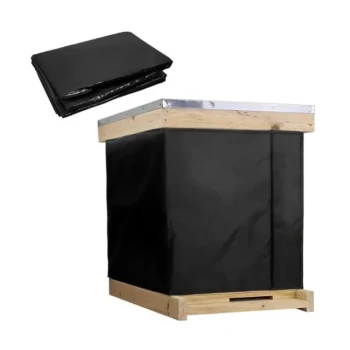
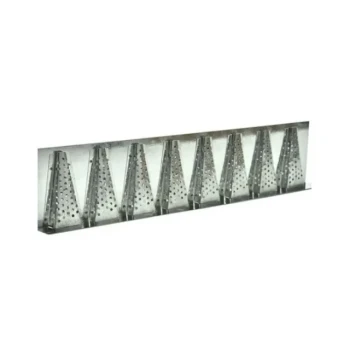
Specialized insulation and sealing materials serve as a dual-function physical barrier. Primarily, they act as a thermal containment system that prevents internal heat escape, while simultaneously functioning as a hardened shield against external physical intrusions.
In boreal climates, the physical barrier created by treated fibers and sealing components is critical for stabilizing the hive's core temperature. By retaining heat, these materials minimize the energy the colony must expend on thermoregulation, directly increasing survival rates during dormant winter periods.
The Mechanics of Thermal Protection
Establishing a Heat Containment Zone
In extreme cold, specialized materials like treated natural fibers create an effective physical heat barrier at the hive entrance. Their primary role is to seal the boundary between the freezing exterior and the hive's interior. This drastically reduces the rate at which heat generated by the bee cluster escapes.
Stabilizing Core Temperatures
The sealing components focus on maintaining a constant temperature specifically within the core area of the hive. By insulating the entrance, the system prevents cold drafts from disrupting the microclimate where the bees are clustering. This stability is essential for the colony's continuity during long dormant periods.
Defense Against Biological Threats
Physical Deterrence of Predators
Beyond thermal regulation, these barriers serve a critical structural role in hive defense. The sealing materials physically block access to the hive interior.
Protecting Against Woodpeckers
Specific to the primary reference, these barriers are essential for stopping predators such as woodpeckers. By reinforcing the entrance, the material prevents these predators from breaching the hive when the colony is vulnerable and dormant.
The Energy Conservation Equation
Reducing Metabolic Demand
High-performance insulation functions as a metabolic regulator for the colony. Because the insulation maintains a stable internal temperature, the bees do not need to work as hard to generate warmth.
Lowering Mortality Rates
There is a direct correlation between the quality of the barrier and colony survival. By minimizing the energy expenditure required to keep the cluster warm, the colony preserves its vital resources, effectively lowering mortality rates before the onset of spring.
The Criticality of Material Selection
Performance Variability
Not all barriers offer equal protection. The specific selection of materials—whether treated fibers or dedicated sealing components—directly dictates the efficacy of the heat barrier.
The Survival Trade-off
Choosing inferior materials can compromise the physical seal. If the barrier fails to retain heat or block predators, the "dormant period" protection fails, significantly increasing the risk of colony collapse in boreal conditions.
Strategic Implementation for Winter Survival
To ensure the highest probability of colony success, select materials based on your specific environmental threats.
- If your primary focus is Thermal Efficiency: Prioritize treated natural fibers and high-performance covers that minimize heat loss to conserve the colony's energy stores.
- If your primary focus is Physical Security: Select robust sealing components specifically designed to withstand impact and penetration from predators like woodpeckers.
The correct application of insulation is not merely a precaution; it is a fundamental determinant of whether a colony survives the energy demands of a boreal winter.
Summary Table:
| Feature | Physical Barrier Function | Impact on Colony Survival |
|---|---|---|
| Thermal Containment | Prevents internal heat escape and blocks cold drafts. | Reduces metabolic energy expenditure and prevents cluster freezing. |
| Structural Sealing | Hardened barrier at hive entrance to block gaps. | Maintains stable internal microclimate during dormant periods. |
| Predator Defense | Reinforces hive entrance against woodpeckers and rodents. | Prevents breach of hive structure when bees are most vulnerable. |
| Material Quality | High-performance treated fibers vs. standard covers. | Directly correlates to lower mortality rates in extreme cold. |
Secure Your Apiary for Winter with HONESTBEE
Maximize your colony survival rates and operational efficiency with HONESTBEE. As a premier partner for commercial apiaries and distributors, we provide more than just equipment—we provide peace of mind. Our extensive wholesale range features specialized insulation solutions, precision-engineered hive-making machinery, and durable beekeeping tools designed to withstand the harshest boreal climates.
Whether you are scaling your honey production with our advanced filling machines or stocking up on essential industry consumables, our mission is to empower your business with high-performance hardware and honey-themed cultural merchandise. Don't let the cold compromise your winter success.
Contact our team today for wholesale inquiries and expert equipment advice!
References
- Agnieszka Pawłowska-Mainville. Creating a quiet buzz: opportunities and challenges for meaningful participation of boreal forest apiarists in the science-policy interface for biodiversity and ecosystem services. DOI: 10.5751/es-15559-300119
This article is also based on technical information from HonestBee Knowledge Base .
Related Products
- Beehive Entrance Discs Plastic Bee Entrance Disc for Bee Hives
- Professional Insulated Plastic Bee Hives
- Professional Insulated Winter Hive Wrap for Beekeeping
- Inner Beehive Cover for Beekeeping Bee Hive Inner Cover
- Steel Round Disc Entrance Reducer for Flexzion Bee Hive Nuc Box Gate
People Also Ask
- What is the best entrance for a bee hive? Maximize Colony Health & Honey Production
- What happens if you block the entrance to a bee hive? Avoid This Dangerous Mistake
- How does entrance configuration vary seasonally for beekeepers? A Guide to Year-Round Hive Health
- Why adjust beehive entrance size for humidity? Boost Honey Ripening and Varroa Control in Commercial Apiaries
- How big should a beehive entrance be? Optimize for Colony Health & Honey Production