The primary physical risks of marking a queen bee involve accidental crushing injuries and sensory impairment, both of which can lead to the colony killing (superseding) the queen. To minimize these dangers, beekeepers should utilize specialized immobilization tools, practice extensively on drones, and ensure paint is applied exclusively to the thorax.
Core Insight: The success of marking a queen depends less on the paint itself and more on the delicacy of handling; an injured or "wrong-smelling" queen due to paint misapplication is likely to be rejected by the hive.
The Physical Risks of Marking
Direct Trauma to the Body
The most immediate risk is applying excessive pressure during capture or confinement. This can result in crushed legs, damaged wings, or injury to the thorax.
Sensory Impairment
If paint is applied sloppily, it may cover the queen's eyes or antennae. This creates sensory deprivation, hindering her ability to navigate and communicate within the hive.
The Consequence: Rejection and Supersedure
The ultimate result of physical injury or improper painting is rejection. If the colony perceives the queen as damaged or foreign due to paint on vital sensory organs, they will often kill her and attempt to raise a replacement.
Minimizing Risk Through Tool Use
The Piston "Plunger" Cage
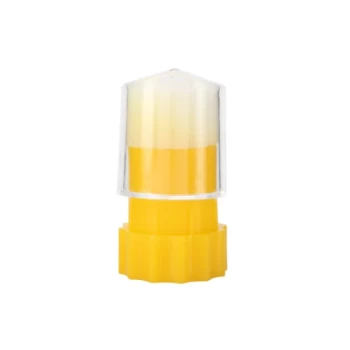
For those concerned about direct handling, a plastic piston device with a soft foam plunger is effective. This tool traps the queen against a plastic grid, immobilizing her gently without the need for finger contact.
One-Handed Catch Cages
These devices allow you to scoop the queen directly off the comb. They secure her safely for marking while eliminating the risk of crushing her between your fingers during the initial grab.
Minimizing Risk Through Technique
The "Drone First" Rule
Never attempt to mark a queen until you have successfully marked several drones. Drones are larger, expendable, and do not sting, making them the perfect subject for refining the pressure required to hold a bee without harming it.
Proper Handling Mechanics
If handling manually, grasp the queen by her wings first to lift her, then transition to holding her legs. You must trap at least two legs with just enough thumb pressure to immobilize her, leaving the thorax clear.
Precision Paint Application
Apply a small daub of enamel paint only to the top center of the thorax. You must avoid the wings, head, and abdomen entirely.
Mandatory Drying Time
After marking, hold the queen gently for 30 to 60 seconds. Releasing her while the paint is still wet increases the chance of the scent triggering an aggressive response from the workers.
Common Pitfalls to Avoid
Over-compressing with Tools
While plunger cages are safer than hands for beginners, they are not fail-safe. Pushing the foam plunger too aggressively against the grid can still crush the queen’s thorax or abdomen.
Returning the Queen Too Quickly
Rushing the release is a frequent error. If the queen is returned while agitated or smelling strongly of wet paint, the colony's defense instincts may kick in before the paint cures and her pheromones restabilize.
Making the Right Choice for Your Goal
To ensure the longevity of your queen, match your method to your experience level:
- If your primary focus is safety as a beginner: Use a plunger-style marking cage to eliminate the need to hold the queen between your fingers.
- If your primary focus is mastering manual handling: Practice the "lift by wings, hold by legs" technique on at least 10 drones before touching a queen.
- If your primary focus is colony acceptance: Ensure the paint is limited strictly to the thorax and allow a full minute of drying time before release.
Success lies in patience: a marked queen is valuable, but a healthy, unmarked queen is better than an injured one.
Summary Table:
| Risk Factor | Potential Damage | Mitigation Strategy |
|---|---|---|
| Direct Trauma | Crushed thorax, legs, or wings | Use plunger cages or practice handling on drones |
| Sensory Impairment | Loss of navigation/communication | Apply paint strictly to the center of the thorax |
| Scent Rejection | Colony kills/supersedes queen | Allow 30-60 seconds drying time before release |
| Over-compression | Fatal internal injuries | Use soft foam plungers and apply minimal pressure |
Maximize Your Apiary Productivity with HONESTBEE
Precision in queen management is just the beginning. At HONESTBEE, we empower commercial apiaries and distributors with the professional-grade tools needed to scale successfully. From specialized queen-marking accessories and protective gear to industrial-scale hive-making and honey-filling machinery, our comprehensive wholesale portfolio covers every facet of the beekeeping industry.
Whether you are looking to source high-quality consumables or invest in advanced hardware, we provide the expertise and equipment to ensure your operations thrive. Contact us today to discover how our wholesale solutions can streamline your business and support your growth.
Related Products
- One Hand Yellow Queen Marking Catcher Tube Cage Beekeeper Tool Accessory for Queen Bee
- Queen Bee Marking Tube Cage Bottle Catcher Holder with Clear Plastic Plunger Marker
- Transparent Plastic Bee Catcher Queen Marker Tube Cage Beekeeping Tool Equipment
- Queen Bee Marking Pen POSCA Queen Marking Pens for Beekeeping Bee Markers
- Queen Bee Marking Pen UNI Medium Point for Queen and Bee Marking
People Also Ask
- What tools are available to assist in safely marking a queen bee? Essential Gear for Professional Beekeepers
- What equipment is needed to mark a queen bee? A Simple 3-Tool Guide for Every Beekeeper
- Why are high-quality queen bee marking tools essential for pedigree tracking? Master Honey Bee Genetic Integrity
- What are the specific advantages of using international standard marking tools in queen bee production and management?
- What tools are recommended for marking a Queen bee? Ensure a Safe and Successful Mark