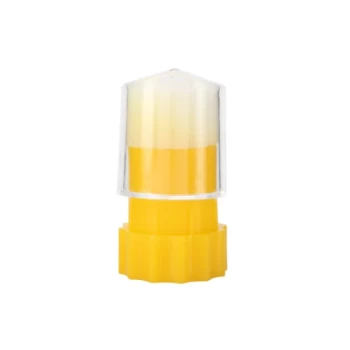
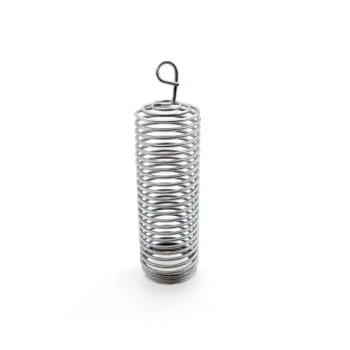
The perspective on queen marking is fundamentally determined by the scale of the beekeeping operation. For commercial beekeepers managing vast numbers of hives, the practice is often viewed as an unnecessary drain on resources with a poor return on investment. Conversely, small-scale practitioners generally view it as a critical maintenance step that saves money and simplifies long-term hive management.
The decision to mark a queen typically comes down to an equation of time versus control. Commercial operations prioritize volume and labor efficiency, often skipping the practice, while hobbyists prioritize precision and individual colony health, making marking a high-value activity.
The Commercial Calculation: Scale vs. Benefit
The Cost of Labor
For apiarists managing hundreds or thousands of hives, the time required to locate, catch, and mark every queen is substantial. In a high-volume business model, labor is often the highest operating cost.
Return on Investment (ROI)
Commercial beekeepers must evaluate every action based on its financial return. According to industry standards, the time spent marking thousands of queens does not generate enough additional profit to justify the expense.
Focus on Aggregate Production
Commercial operations generally focus on overall yard averages for honey production or pollination. The status of a single queen is less critical than the aggregate health of the operation, rendering individual marking less essential from a business standpoint.
The Small-Scale Advantage: Prevention and Savings
Reducing Management Errors
For the small-scale or hobbyist beekeeper, the priorities are different. Marking a queen significantly reduces the difficulty of finding her during inspections.
Financial Protection
A marked queen helps prevent costly mistakes. It reduces the likelihood of accidentally crushing the queen during frame manipulation or confusing a supersedure queen with the original.
Long-term Efficiency
While it takes time upfront, marking essentially saves money for the small-scale practitioner. It prevents the complications associated with a lost or unidentified queen, which can set a single colony back by weeks or months.
Understanding the Trade-offs and Best Practices
The Risk of Handling
While marking offers control, it introduces immediate risk. Handling a queen always carries the danger of damaging her legs or wings, which may cause the colony to reject or kill her.
Chemical Safety
If you choose to mark, the materials used are critical to success. You must use water-based acrylic paint markers. These are specifically recommended because they are generally considered to have low toxicity and are safe for bees.
Application Precision
The physical application requires the right tool. The marker should have a soft tip to ensure a gentle touch. The goal is to deliver highly pigmented paint to the thorax in a single application without causing distress to the queen.
Making the Right Choice for Your Goal
Deciding whether to mark your queens depends entirely on your operational capacity and management style.
- If your primary focus is commercial efficiency: Skip the marking process to minimize labor costs, as the return on investment is rarely justified across thousands of hives.
- If your primary focus is precise colony management: Mark your queens to save time during inspections and prevent costly handling errors in the future.
The value of a marked queen is not intrinsic; it is defined by the specific goals of the beekeeper.
Summary Table:
| Feature | Commercial Beekeepers | Small-Scale/Hobbyists |
|---|---|---|
| Primary Goal | Labor efficiency & aggregate production | Precision & individual colony health |
| Queen Marking | Often skipped (low ROI) | Highly recommended (saves time/money) |
| Labor Cost | High (due to thousands of hives) | Low (manageable per unit) |
| Risk Tolerance | Focus on yard averages | Focus on preventing single-colony loss |
| Recommended Tools | N/A | Water-based acrylic markers with soft tips |
Scale Your Apiary Operations with HONESTBEE
Whether you are a commercial apiary looking to optimize efficiency or a distributor seeking high-quality supplies, HONESTBEE is your strategic partner in growth. We understand that the right equipment defines your ROI.
From honey-filling machines and hive-making hardware for industrial scaling to premium beekeeping tools and consumables for precise management, our comprehensive wholesale portfolio covers every industry need.
Ready to elevate your production? Contact us today to access expert-grade machinery and professional equipment tailored to your scale.
Related Products
- Queen Bee Marking Tube Cage Bottle Catcher Holder with Clear Plastic Plunger Marker
- Plastic Queen Marking Tube Cage with Plunger for Beekeeping
- One Hand Yellow Queen Marking Catcher Tube Cage Beekeeper Tool Accessory for Queen Bee
- Plastic Long Marker Device for Catching and Marking Bees Queen Bee Marking Tube and Cage
- Queen Bee Marking Pen UNI Medium Point for Queen and Bee Marking
People Also Ask
- How do you capture and immobilize a bee for marking? Master Safe Queen Handling for Your Apiary
- What is the function of a queen marker cage? Essential Guide to Safe Beekeeping Management
- What tools can be used to safely secure a queen bee while marking her? Top Solutions for Professional Beekeepers
- What are the functional differences between a push-in queen marking cage and a queen marking tube? Choose the Best Tool
- What tools are available for safely marking queens? A Guide to Secure and Efficient Queen Marking