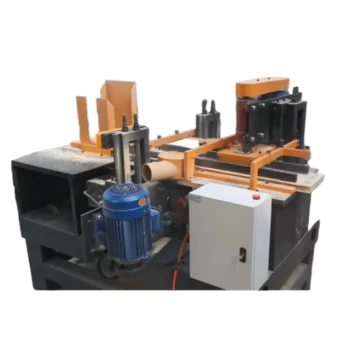
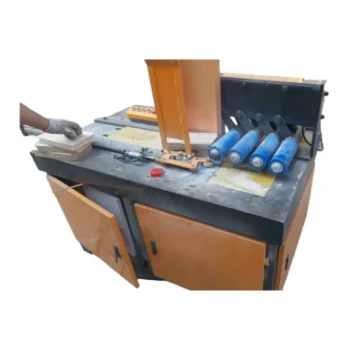
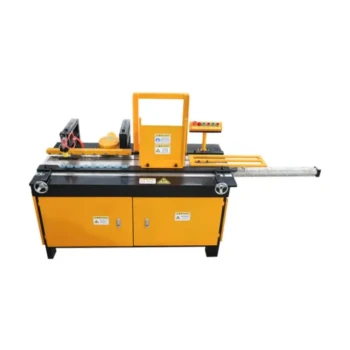
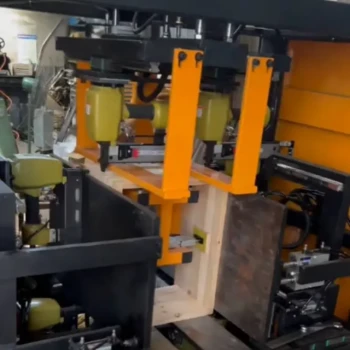
Proper material preparation is non-negotiable for efficient machine operation. Before panels can be introduced to the system, they must be pre-processed to specific dimensions. Specifically, every panel must be finished to length (or near to length), and the long edge—referred to as the rabbet edge—must be finish trimmed.
To ensure the machine operates continuously and accurately, upstream preparation is vital. You must size the panel length and finish trim the rabbet edge before stacking the material in the feed hopper.
Critical Pre-Processing Requirements
Sizing the Panel Length
The machine is not designed to process raw, random-length lumber. Before reaching the intake, panels must be cut to their final length or a dimension very close to it.
This step ensures that the machine focuses on its primary processing tasks rather than sizing rough stock.
Preparing the Long Edge
Special attention must be paid to the long edge of the panel, technically known as the rabbet edge.
This edge requires a finish trim before the panel enters the machine. This preparation is likely essential for the machine to grip, guide, or align the panel correctly during the automated cycle.
Operational Context
Stacking for Continuous Flow
Once the panels are cut and trimmed, they are stacked at a feed hopper.
The machine is designed to operate continuously as long as wood is available in this hopper. Therefore, inconsistent preparation will not only affect the individual part but will interrupt the entire automated workflow.
Common Pitfalls to Avoid
Neglecting the "Near to Length" Standard
While the machine allows for panels that are "near to length," deviating too far from the target dimension can cause issues.
Feeding material that is significantly oversized may strain the machine or result in improper processing. Always aim for the finished length whenever possible to reduce variability.
Poor Edge Quality
If the rabbet edge is rough or untrimmed, the panel may not sit flush within the machine's internal guides.
This lack of precision on the reference edge often translates to errors in subsequent machining steps.
Ensuring Workflow Efficiency
To maximize the throughput of this machine, integrate these preparation steps into your upstream workflow:
- If your primary focus is speed: Batch-process your cutting and trimming operations so the feed hopper never runs empty, allowing the machine to run continuously.
- If your primary focus is precision: Ensure the rabbet edge trim is perfectly straight, as this serves as the critical reference point for the machine's operation.
Consistent preparation is the key to transforming raw panels into precision components without interruption.
Summary Table:
| Preparation Requirement | Action Required | Importance for Workflow |
|---|---|---|
| Panel Length | Cut to final or near-final length | Prevents machine strain and sizing errors |
| Long (Rabbet) Edge | Finish trim before loading | Ensures proper alignment and reference accuracy |
| Material Stacking | Load into feed hopper | Enables continuous automated processing |
| Edge Quality | Ensure smooth, straight trim | Guarantees parts sit flush within internal guides |
Maximize Your Apiary Production with HONESTBEE
Efficient hive manufacturing starts with precision machinery and consistent preparation. At HONESTBEE, we specialize in supporting commercial apiaries and distributors with high-performance equipment, including specialized hive-making and honey-filling machines.
Whether you need robust machinery to automate your workflow or a reliable supply of beekeeping tools and industry consumables, our comprehensive wholesale offering is designed to scale your operations. Let us help you transform raw materials into precision-crafted hive components and premium honey products.
Ready to upgrade your facility? Contact our expert team today to discuss our full spectrum of beekeeping hardware and cultural merchandise!
Related Products
- Professional Bee Frame Machine for Side Bar Shaping
- HONESTBEE Bee Frame Side Bar Forming Machine Precision Engineered for High-Volume Production Bee Frame Machine
- HONESTBEE Top Bar & Bottom Bar Forming Machine | Bee Frame Machine
- Semi-Auto Bee Frame Assembly and Stapling Machine for Bee Frame
- Mini Desktop Bee Hive Frame Forming Making Machine
People Also Ask
- What types of damage on bee frames indicate they can be cleaned for reuse? Save Costs with Proper Frame Restoration
- What are the differences between wedged-top and grooved-top frames? Choose the Right Foundation System
- Can old bee frames be reused? Weighing the Risks vs. Rewards for Your Hive
- How long do bee frames last? A Guide to Lifespan and Replacement for Healthy Hives
- What should a healthy bee frame look like? Identify a Thriving Colony with These Key Signs