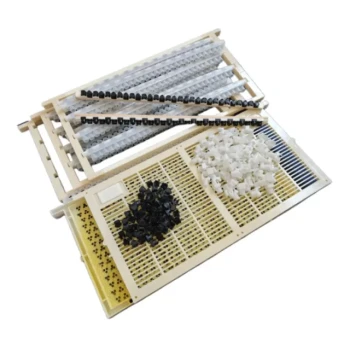
To ensure efficient hive management, there are two primary ways to obtain a marked queen bee. You can either request that your bee supplier marks the queen prior to delivery, often for a nominal fee, or you can perform the marking procedure yourself after receiving the colony.
Purchasing a pre-marked queen is the safest option for avoiding handling injuries, while learning to mark queens yourself provides long-term independence and aids in tracking queen age and colony supersedure events.
Option 1: The Supplier Method
This is the most straightforward approach, particularly for new beekeepers. When ordering your bees, you simply check a box or make a specific request for the service.
Convenience and Safety
The primary advantage here is risk mitigation. Professional breeders handle thousands of queens and can apply the mark quickly and safely before the queen ever reaches your apiary.
Cost Implications
Be aware that this service often incurs a small additional fee. However, considering the risk of a novice accidentally injuring a valuable queen, many consider this cost negligible.
Option 2: The DIY Method
Marking the queen yourself is a fundamental skill that allows for greater control over your stock. It requires specific tools and a steady hand.
Essential Tools
While experienced beekeepers may mark a queen by hand, it is highly recommended to use specialized tools designed to immobilize her safely.
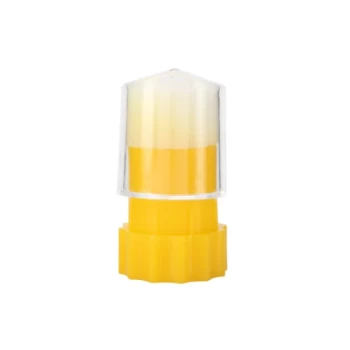
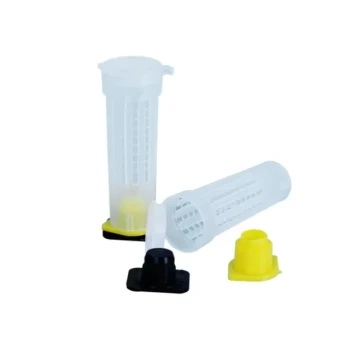
- Marking Tubes/Pistons: These devices use a foam plunger to gently push the queen against a mesh screen, keeping her still without direct squeezing.
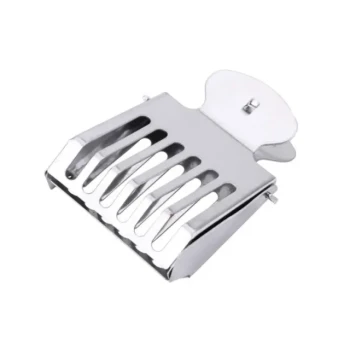
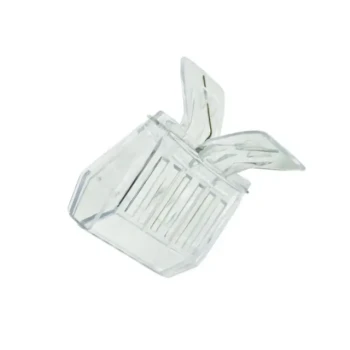
- Push-in Cages: A round cage can be pressed into the comb to trap the queen on the frame, allowing you to mark her through the mesh.
- Paint Pens: Enamel paint pens are standard. They must be primed (shaken and pressed) on a hard surface first to prevent a flood of paint on the queen.
Proper Technique
The goal is to place a small dab of paint on the center of the thorax.
- Practice First: Use drones to practice your technique before attempting to handle the queen.
- Immobilization: Whether using your fingers or a tool, the queen must be stationary. If using your hands, you must secure her legs to stop her movement.
- Drying Time: You must hold the queen (or keep her in the tool) for 30 seconds to a minute to let the paint dry. If released too early, attendant bees may clean the mark off.
Understanding the Trade-offs
Deciding between buying a marked queen or doing it yourself involves weighing convenience against skill acquisition.
The Risks of DIY
The margin for error is small. Applying too much paint can clog the queen's spiracles or run into her joints, potentially crippling or killing her. Additionally, handling the queen roughly can damage her legs or wings.
The Value of Marking
Regardless of the method used, a marked queen offers significant data.
- Speed: It drastically shortens the time needed to locate the queen during inspections.
- Supersedure Detection: If you find an unmarked queen in a hive that originally had a marked one, you know the colony has swarmed or replaced the queen.
- Age Tracking: By using standardized colors for specific years, you can instantly determine the queen's age.
Making the Right Choice for Your Goal
Your decision should be based on your experience level and your immediate goals for the apiary.
- If your primary focus is minimizing risk: Order a marked queen from your supplier to ensure she arrives safe, visible, and ready to lay.
- If your primary focus is skill development: Invest in a plunger or push-in cage and practice on drones to build the confidence required to mark your own stock.
Mastering the management of your queens starts with knowing exactly which one is in the hive.
Summary Table:
| Method | Pros | Cons | Best For |
|---|---|---|---|
| Supplier Marking | Safe, convenient, zero risk of handling injury. | Small service fee, less skill development. | Beginners and large-scale operations. |
| DIY Marking | No extra cost, develops skill, independent tracking. | Risk of injury to queen, requires practice. | Experienced beekeepers and queen breeders. |
Boost Your Apiary Efficiency with HONESTBEE
At HONESTBEE, we specialize in supporting commercial apiaries and distributors with high-quality beekeeping solutions. Whether you are looking to master queen management or scale your production, we provide the full spectrum of equipment you need.
Our value to you:
- Precision Tools: From specialized queen marking tubes and cages to professional-grade hive-making and honey-filling machinery.
- Comprehensive Wholesale: A complete range of beekeeping hardware and essential industry consumables.
- Global Reach: Reliable supply chains tailored for large-scale beekeeping operations and retail distributors.
Ready to elevate your beekeeping business? Contact us today to explore our wholesale offerings and industrial equipment.
Related Products
- Queen Bee Marking Pen POSCA Queen Marking Pens for Beekeeping Bee Markers
- Plastic Long Marker Device for Catching and Marking Bees Queen Bee Marking Tube and Cage
- Queen Bee Marking Pen UNI Medium Point for Queen and Bee Marking
- Queen Bee Marking Tube Cage Bottle Catcher Holder with Clear Plastic Plunger Marker
- One Hand Yellow Queen Marking Catcher Tube Cage Beekeeper Tool Accessory for Queen Bee
People Also Ask
- What role do specialized marking pens and color-coding systems play in honeybee tracking? Enhance Research Precision
- Why are specialized marking pens used for stingless bee queens? Essential Tools for Large-Scale Breeding Success
- How should a new paint pen be primed before marking a queen bee? Essential Tips for Safe & Clear Markings
- How should a queen bee marking pen tip be properly primed? Master the Art of Safe Queen Marking
- What specifications are required for a high-quality queen bee marking pen? Ensure Safety and Precision for Your Colony