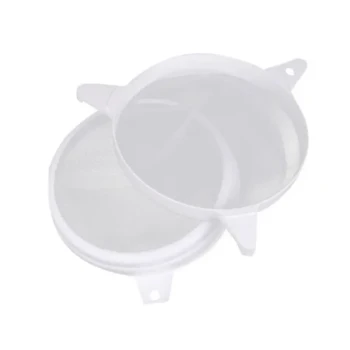
Specialized filtration and filling equipment addresses the critical gap between manual harvesting and standardized commercial production. These systems primarily solve the problems of physical contamination by effectively removing wax fragments and impurities, while simultaneously eliminating packaging inconsistencies through precise volumetric filling.
Core Takeaway The transition to specialized post-harvest equipment is essential for protecting the high medicinal value of Melipona honey. By automating filtration and sealing, producers eliminate the risks of oxidation, contamination, and volume irregularity, ensuring the product meets the stringent hygiene standards required for high-value commercial markets.
Solving Purity and Consistency Challenges
Eliminating Physical Contaminants
Manual harvesting often leaves behind microscopic debris that degrades product quality. Specialized filtration machines utilize multi-stage physical interception to remove these impurities. This ensures the final product is free from wax fragments, bee remains, and other particulate matter found in raw harvests.
Standardizing Product Clarity
Inconsistent visual quality can deter consumers and lower market value. Mechanical filtration transforms crude honey into a clear, uniform liquid. This process guarantees that every batch meets specific visual and physical standards, which is a prerequisite for entering competitive commercial markets.
Preserving Pharmacological Integrity
Melipona honey is prized for its medicinal properties, which can be compromised by improper handling. Specialized equipment allows for processing without altering the honey's chemical structure. By removing impurities without aggressive heating or chemical treatment, the machinery preserves the specific pharmacological properties and flavor profiles unique to Melipona bees.
Addressing Packaging and Preservation Issues
Ensuring Precise Volumetric Control
Manual bottling frequently leads to "overfill" (product loss) or "underfill" (compliance violations). Professional filling machines solve this by delivering a precise, consistent volume into every container. This minimizes material waste and ensures compliance with strict weights and measures regulations.
Preventing Secondary Contamination
Human contact during the packaging phase is a primary vector for bacteria and debris. Automated filling equipment creates a closed sanitary loop, significantly reducing the risk of secondary contamination. This elevation in hygiene standards is critical for certifications required by distributors and high-end retailers.
Protection Against Oxidation and Moisture
Melipona honey is sensitive to environmental factors that can degrade its quality. Mechanical sealing technologies provide an airtight barrier immediately after filling. This protects the honey from air exposure (oxidation), moisture absorption, and external odors, stabilizing the product's biochemical indicators during storage and transport.
Understanding the Trade-offs
Capital Investment vs. Production Volume
While specialized equipment ensures quality, it represents a significant financial barrier. For very small, artisanal operations, the cost of industrial-grade filling and filtration machinery may outweigh the efficiency gains. Producers must analyze their throughput to determine if the volume justifies the investment in automation.
Maintenance and Complexity
Moving from manual to mechanical processing introduces technical complexity. These machines require regular maintenance, cleaning protocols, and calibration to function correctly. A lack of technical expertise or improper cleaning can lead to equipment failure or, ironically, create new sources of contamination within the machine itself.
Making the Right Choice for Your Goal
To maximize the value of your Melipona honey processing, align your equipment choice with your specific market objectives:
- If your primary focus is the Medical/Therapeutic Market: Prioritize equipment with advanced sealing and non-destructive filtration to guarantee sterility and maximum preservation of pharmacological compounds.
- If your primary focus is Commercial Scalability: Focus on high-throughput automated filling machines that minimize waste and ensure absolute volumetric consistency for retail shelving.
Integrating specialized processing equipment is not just an operational upgrade; it is the safeguard that transforms a raw harvest into a trusted, high-value commercial product.
Summary Table:
| Problem Addressed | Technical Solution | Benefit to Producer |
|---|---|---|
| Physical Contamination | Multi-stage specialized filtration | Ensures high purity and professional product clarity |
| Volumetric Inconsistency | Precision filling systems | Eliminates product waste and ensures regulatory compliance |
| Pharmacological Loss | Non-destructive cold processing | Preserves medicinal properties and unique flavor profiles |
| Secondary Contamination | Closed-loop automated packaging | Meets stringent hygiene standards for high-end markets |
| Rapid Oxidation | Airtight mechanical sealing | Extends shelf life and stabilizes biochemical indicators |
Elevate Your Honey Production with HONESTBEE
Transitioning from manual harvesting to standardized commercial production requires the right tools. HONESTBEE specializes in supporting commercial apiaries and distributors with a comprehensive range of professional beekeeping machinery and equipment.
Whether you need specialized hive-making machines, high-precision honey-filling lines, or advanced filtration systems, our solutions are designed to protect the pharmacological integrity of your Melipona honey while maximizing throughput and consistency.
Ready to scale your operations and enter high-value markets? Contact HONESTBEE today to discuss our wholesale offerings and industrial-grade equipment tailored to your apiary’s needs.
References
- Eduardo Negrín Muñoz, Laura Elena Sotelo Santos. Abejas nativas, señoras de la miel. Patrimonio cultural en el estado de Campeche / Native bees, honey ladies. Cultural heritage in the State of Campeche. DOI: 10.23913/ricsh.v5i9.69
This article is also based on technical information from HonestBee Knowledge Base .
Related Products
- Automatic Honey Filling and Filtering Machine for Beekeeping Bottle Filling
- Double Nozzle Small Honey Filling Machine Honey Sachet Packing Packaging Equipment
- Small Honey Filling Machine Sachet Packing Equipment Single Nozzle
- Manual Honey Filling Machine Bottling Machine for Honey
- Electric Double Wall Honey Filtering Machine Purifier Equipment for Honey Processing Plant
People Also Ask
- What process advantages do professional honey filtering and filling machines provide? Optimize Your Organic Honey Output
- How do honey filling and filtering machines increase product value? Turn Raw Honey into Premium Export-Grade Goods
- How do honey filtration and filling machinery contribute to industrialization? Scale Your Commercial Honey Production
- What specific issues do industrial filtration and automated filling machinery address? Ensure Honey Quality & Compliance
- How does the use of professional honey filtration and filling machinery facilitate international honey exports?