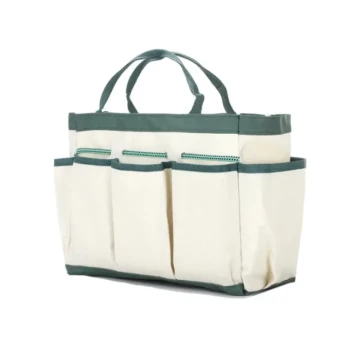
For safe beehive inspections, wear a bee-tight protective suit with a secure veil and use a smoker plus a hive tool. Add gloves and boots when conditions or colony temperament warrant them, and keep a bee brush, frame holder, feeder, and inspection notebook available for specific tasks. Avoid leather, wool, perfumes, loose cuffs, rings, and leather watchbands because odors, gaps, and trapped jewelry can increase irritation or injury.
The essential inspection setup is protective clothing, a reliable smoker, and a hive tool. The best equipment protects the beekeeper while allowing controlled, precise handling that minimizes stress and accidental injury to the colony.
Protective Clothing That Reduces Sting Risk
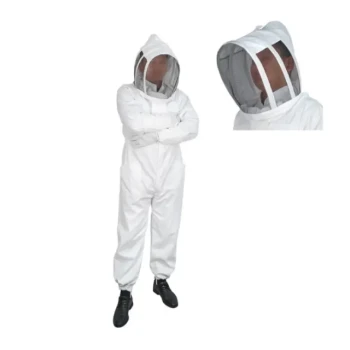
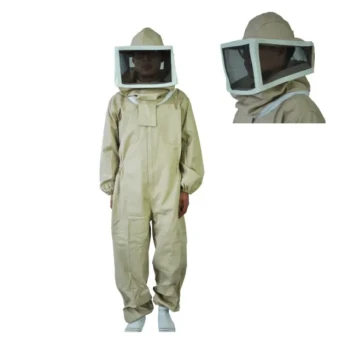
Bee Suit or Beekeeping Jacket
A full bee suit provides the broadest protection for routine inspections, defensive colonies, commercial apiaries, and newer beekeepers. A bee jacket can be sufficient when paired with suitable trousers and sealed cuffs.
Choose durable, light-colored, smooth fabric with secure closures. Light colors and smooth surfaces are generally less likely to agitate bees or allow bees to become trapped against the clothing.
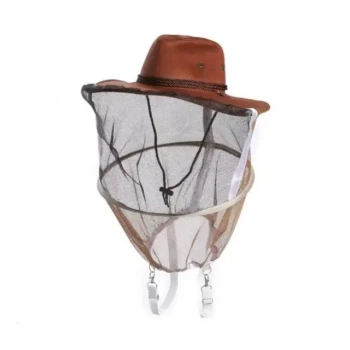
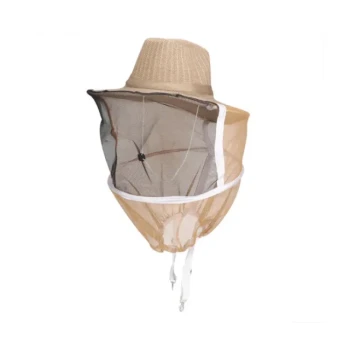
Veil, Hat, and Face Protection
A reliable veil is essential because the face, eyes, ears, and hair are especially vulnerable to stings. A hat-supported veil or integrated suit veil should remain securely attached and provide adequate clearance from the face.
The veil should not collapse against the skin. A stable design also reduces the chance of bees becoming tangled in hair or entering through gaps.
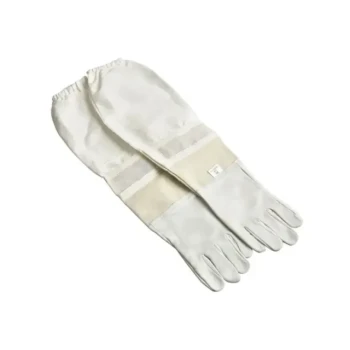
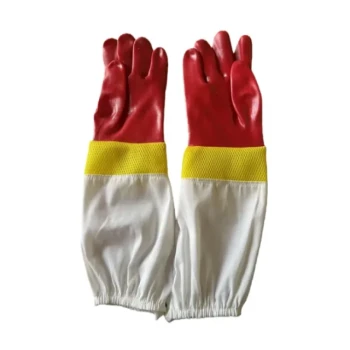
Gloves
Protective gloves are situational rather than universally required. They are particularly useful when inspecting defensive colonies, moving hives, harvesting honey, or working in adverse weather.
For calm colonies and routine inspections, experienced beekeepers may prefer bare hands or thin protective gloves for better tactile control. This can reduce the risk of crushing bees while manipulating frames, but it requires confidence and appropriate colony management.
Boots and Sealed Cuffs
Wear closed, sturdy boots that protect the feet and ankles. Trousers should overlap the boots or be secured around them.
Sleeve and pant cuffs should be sealed with elastic, Velcro straps, or bands. A bee-tight seal is more important than the specific closure method because open cuffs create direct entry points.
Specialized Tools for Hive Inspections
Bee Smoker
A bee smoker is a core inspection tool. Cool, controlled smoke helps manage bee behavior by interfering with alarm signaling and encouraging the colony to remain less defensive during inspection.
Use a smoker that is durable, easy to handle, and capable of producing consistent smoke. Avoid excessive smoke or dangerously hot smoke, which can stress bees and damage equipment.
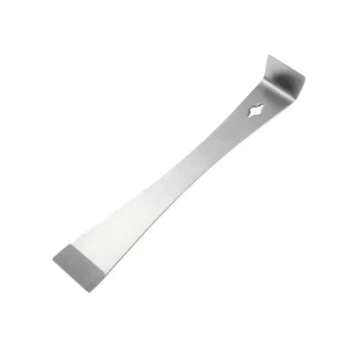
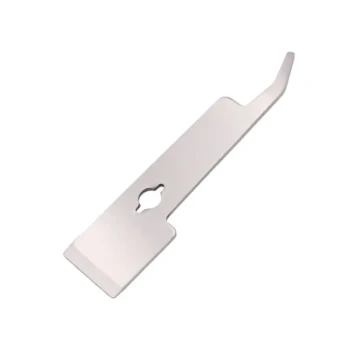
Hive Tool
A hive tool is used to separate hive boxes, lift frames, scrape wax and propolis, and clean contact surfaces. Hive components are often sealed together, so attempting to remove them without the proper tool can cause sudden movement or crushed bees.
A durable, ergonomic hive tool improves control and reduces strain during repeated inspections. Different designs may include scraper, pry, and frame-lifting features.
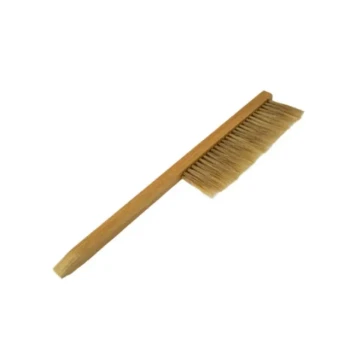
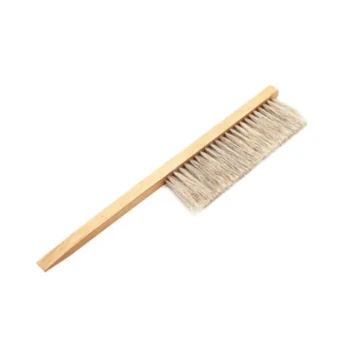
Bee Brush
A bee brush can help remove bees gently from frames or equipment when necessary. It should be used sparingly and with controlled movements because excessive brushing can agitate bees or injure them.
In many situations, gentle shaking or allowing bees to move naturally is preferable. The brush is most useful when bees must be cleared from a specific surface.
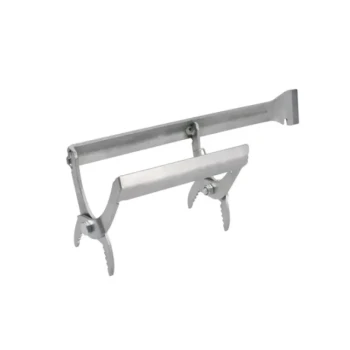
Frame Holder or Frame Grips
A frame holder provides a temporary place to secure a removed frame while inspecting the colony. It helps keep frames organized and reduces the risk of placing equipment on the ground or crushing bees between components.
Frame grips can also improve handling when frames are heavily propolized or difficult to lift. These tools are especially useful for commercial or high-volume apiary work.
Inspection Notebook
A notebook, inspection card, or digital record system helps track queen status, brood pattern, food stores, pests, disease indicators, and colony temperament. Consistent records turn individual inspections into useful health and productivity trends.
Keep the recording method accessible without leaving an open hive unattended. A waterproof notebook and pen are practical choices for field conditions.
Feeders and Supporting Equipment
Feeders are not required for every inspection, but they should be available when colonies need supplemental feeding. Other supporting items may include replacement frames, containers for removed debris, and equipment for managing damaged or contaminated components.
Preparing these items before opening the hive prevents unnecessary interruptions and reduces the time the colony remains exposed.
How to Prepare Before Opening the Hive
Inspect and Secure Your Clothing
Before approaching the hive, check that the veil is fully closed and that all cuffs, zippers, and openings are secure. Confirm that trousers overlap or seal against the boots.
Remove rings, bracelets, loose jewelry, and leather watchbands. Swelling after a sting can make rings difficult to remove, while jewelry and watchbands may retain odors or interfere with handling.
Avoid Odors That Can Agitate Bees
Do not use perfumes, colognes, scented lotions, or strongly fragranced personal-care products before an inspection. Bees can respond negatively to unfamiliar or irritating odors.
Avoid leather and wool garments where possible. These materials can retain body odor and may be more likely to provoke defensive behavior than clean, smooth beekeeping fabrics.
Organize All Equipment in Advance
Place the smoker, hive tool, brush, frame holder, notebook, and any feeding supplies within easy reach before opening the hive. Confirm that the smoker is lit and producing cool, usable smoke.
This preparation improves safety because the beekeeper does not need to search for equipment while frames or hive boxes are exposed.
Conducting the Inspection Safely
Use Smoke Deliberately
Apply a small amount of smoke at the entrance and under the cover as needed. The objective is controlled bee management, not filling the hive with heavy smoke.
Observe the colony’s response and adjust gradually. Excessive smoke can obscure observations, disturb the colony, and affect the quality of the inspection.
Handle Frames Smoothly
Use the hive tool to separate components and lift frames in a controlled manner. Move slowly enough to avoid crushing bees between frames, boxes, or covers.
Keep removed frames supported and oriented consistently. Organized handling makes it easier to return equipment correctly and reduces unnecessary colony disruption.
Monitor Colony Behavior
Pay attention to changes in bee behavior, noise, and defensive activity. If the colony becomes unusually aggressive or conditions deteriorate, close the hive safely and continue later.
Protective clothing reduces sting risk, but it does not replace good judgment, correct smoke use, or an exit plan.
Understanding the Trade-offs
Maximum Protection Versus Dexterity
Full suits, thick gloves, and multiple layers provide greater physical protection but can reduce tactile sensitivity and increase heat buildup. This may make delicate frame handling more difficult.
A practical approach is to match protection to the colony, weather, task, and beekeeper’s experience. When in doubt, prioritize complete coverage and safe handling.
Durability Versus Comfort
Heavy-duty suits and reinforced tools generally withstand frequent commercial use, but they may be less comfortable during long inspections. Lightweight equipment can improve mobility but may require more careful selection for durability and seam quality.
For distributors and professional apiaries, offering both entry-level and premium equipment allows users to select products according to inspection frequency and operating conditions.
Complete Kits Versus Individual Components
A complete inspection kit simplifies purchasing and reduces the risk of missing essential equipment. However, individual components allow experienced operators to replace worn tools or customize equipment to their workflow.
A strong supply program should support both options, including protective apparel, smokers, hive tools, replacement parts, and field accessories.
Common Pitfalls to Avoid
Treating Protective Gear as Optional
Even calm colonies can become defensive because of weather, queenlessness, pests, vibration, or other disturbances. Consistent use of a veil and suitable protective clothing is a basic risk-control measure.
Using Improvised Tools
Knives, screwdrivers, and other improvised tools may slip, damage hive equipment, or crush bees. A purpose-built hive tool provides better leverage and more controlled manipulation.
Opening the Hive Without a Working Smoker
A smoker that is empty, unlit, or producing excessive heat cannot be relied upon when colony behavior changes. Check its operation before opening the hive and carry suitable fuel for the inspection.
Overlooking Personal Items
Perfume, loose clothing, open cuffs, rings, and leather watchbands are easy to ignore but can create avoidable problems. A short pre-inspection checklist helps prevent these oversights.
Choosing Equipment for Your Operation
The right product mix should reflect the beekeeper’s risk level, inspection frequency, colony temperament, and working environment.
- If your primary focus is maximum personal protection: Choose a full bee suit with an integrated veil, sealed cuffs, sturdy boots, and protective gloves.
- If your primary focus is routine inspections of calm colonies: Use a breathable bee jacket or suit, secure veil, reliable smoker, and hive tool, adding gloves according to experience and conditions.
- If your primary focus is commercial or high-volume apiary work: Prioritize durable suits, ergonomic hive tools, dependable smokers, frame holders, replacement components, and fast replenishment.
- If your primary focus is complete procurement: Source protective clothing, smokers, hive tools, brushes, feeders, and record-keeping supplies through a supplier capable of coordinated fulfillment.
- If your primary focus is minimizing colony stress: Select smooth, controlled-handling tools and use moderate smoke while avoiding rushed frame movements.
With the right protective clothing, specialized tools, and preparation routine, beekeepers can inspect colonies more safely, efficiently, and consistently.
Summary Table:
| Category | Recommended Equipment | Key Purpose |
|---|---|---|
| Protective Clothing | Full bee suit or jacket with veil | Shields body and face from stings |
| Gloves (use when necessary) | Protects hands, especially for defensive colonies | |
| Sturdy boots with sealed cuffs | Prevents bees from entering clothing | |
| Specialized Tools | Bee smoker | Calms bees and reduces defensive behavior |
| Hive tool | Separates boxes and frames, scrapes wax and propolis | |
| Bee brush | Gently removes bees from frames when needed | |
| Frame holder/grips | Secures frames during inspection | |
| Inspection notebook | Records colony health and observations | |
| Feeders (as needed) | Supplemental feeding when required |
Equip your apiary with high-quality protective gear and tools from HONESTBEE. As a leading wholesale supplier, we offer a comprehensive range of beekeeping suits, smokers, hive tools, and accessories to keep your inspections safe and efficient. Our one-stop sourcing, rapid delivery, and dedicated support are designed for distributors and commercial beekeepers. Contact us today to discuss your bulk needs and boost your business with reliable, professional equipment.
Related Products
- Beekeeping Gloves Goatskin Leather with Long Cotton Sleeve for Beekeepers
- Professional Stainless Steel Pry-Bar Hive Tool
- White Cotton Beekeeping Jacket and Veil for Bee Keepers
- Premium Cotton Beekeeper Suit with Reinforced Fencing Veil
- Multi-Function Plier-Style Frame Grip Hive Tool
People Also Ask
- What are the characteristics of the best gloves for beekeeping? Choose Protection & Dexterity
- What are the primary purposes of using beekeeping gloves? Protect Your Hands and Ensure Apiary Hygiene
- What types of gloves are available for beekeeping? Choose the Right Protection for Your Hive
- Why is it important for beekeepers to wear gloves? Essential Safety and Confidence for Hive Management
- Why do some experienced beekeepers opt not to wear gloves? Discover the Benefits of Tactile Precision