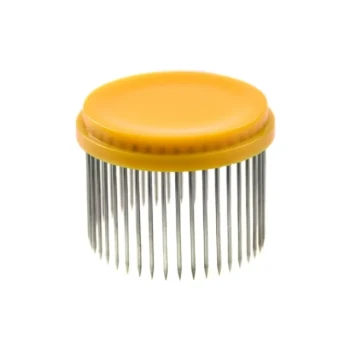
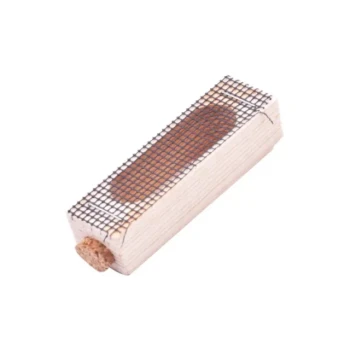
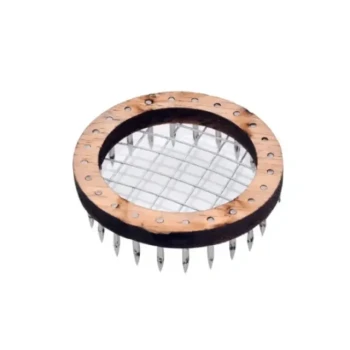
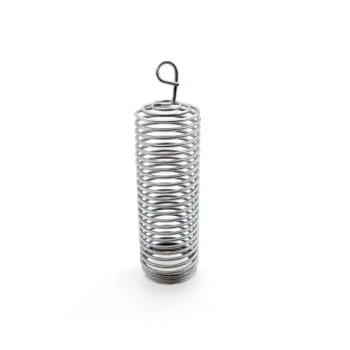
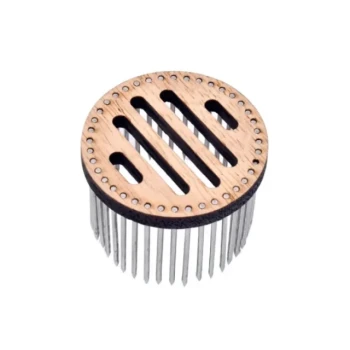
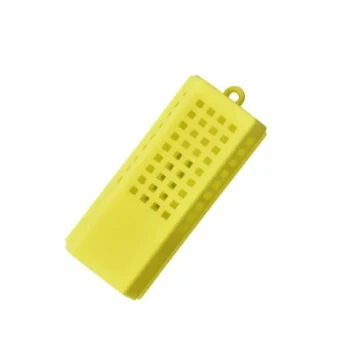
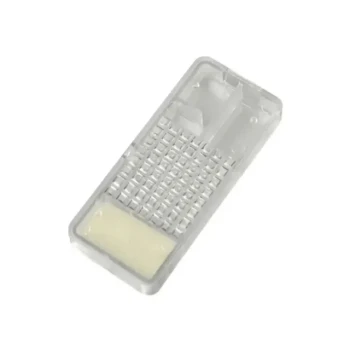
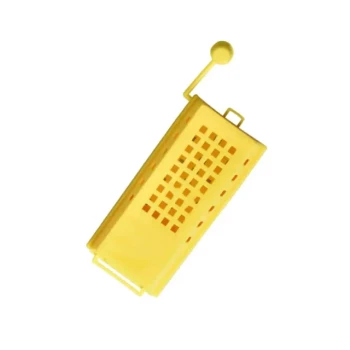
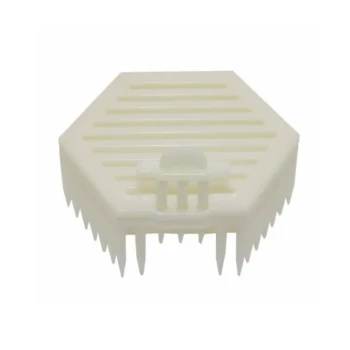
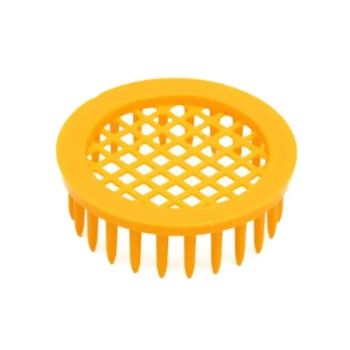
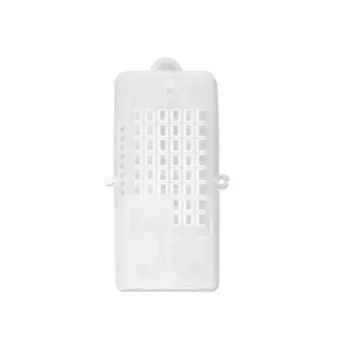
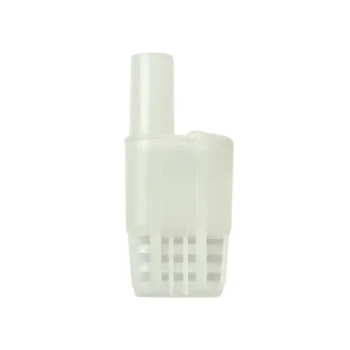
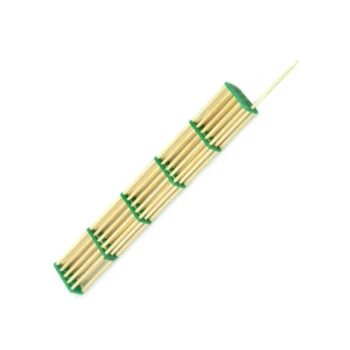
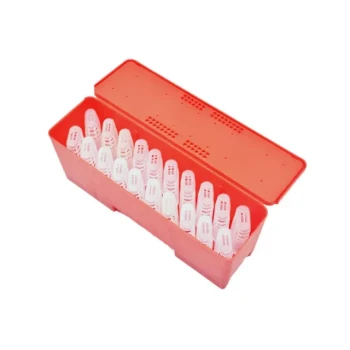
The primary function of a metal mesh queen cage is to serve as a dual-purpose isolation device: it physically shields the queen from lethal aggression by the colony while simultaneously preventing accidental mechanical injury during hive inspections.
Core Takeaway: The metal mesh cage acts as a selective barrier. It blocks physical threats—such as stinging attacks or accidental crushing—but remains permeable to pheromones, allowing the colony to chemically "meet" and accept the queen before physical contact occurs.
Biological Protection: Managing Colony Aggression
Preventing "Balling" and Attacks
The most immediate risk to a new queen is rejection by the existing workforce. Worker bees often perceive a new queen as a foreign intruder and will launch aggressive attacks to eliminate her. The metal mesh creates an impenetrable physical wall that prevents workers from reaching the queen to sting or "ball" her (a process where bees cluster tightly around a queen to overheat and kill her).
Enabling Chemical Integration
While the cage blocks physical contact, the mesh construction is critical for pheromone exchange. Total isolation would result in rejection upon release; however, the mesh allows the queen's specific scent to circulate through the hive. This gradual exposure acclimates the workers to her presence, facilitating social acceptance without risking her life.
Preventing Disorientation and Escape
A new queen is unfamiliar with her environment and may attempt to flee if not confined. The cage serves as temporary confinement, ensuring she cannot fly away or wander off the frames. This prevents the loss of the queen and avoids the need to restart the costly and time-consuming introduction process.
Mechanical Protection: Mitigating Handling Risks
Shielding Against Crushing
Routine hive maintenance involves moving heavy frames, often in tight spaces or under poor lighting conditions. Without a cage, a free-roaming queen is at significant risk of being accidentally crushed between frames or under the hive tool. The rigid structure of the metal cage provides a safe zone that withstands the pressure of shifting hive components.
Securing the Queen During Inspections
When a beekeeper needs to perform invasive tasks, knowing the exact location of the queen is a safety advantage. By confining the queen to the cage, the technician can manipulate frames rapidly without the distraction of tracking her movement, significantly reducing the likelihood of handling errors.
Understanding the Trade-offs
The Risk of Premature Release
While the cage offers protection, it does not guarantee acceptance if the confinement period is too short. Releasing the queen before the pheromone exchange has fully altered the colony's behavior will negate the cage's protective benefits, leading to immediate attack.
Dependence on Worker Interaction
The mesh protects the queen, but she is also dependent on outside workers to feed her through the screen in many cage designs. If the mesh is too fine or if the colony is too aggressive to even approach the mesh calmly, the queen’s health can deteriorate during the isolation period.
Ensuring a Successful Introduction
To maximize the protective benefits of the metal mesh cage, align your usage with your specific operational phase.
- If your primary focus is Colony Acceptance: Ensure the cage remains closed for several days to allow full pheromone saturation before exposing the queen to direct contact.
- If your primary focus is Hive Maintenance: Utilize the cage to secure the queen before shifting frames or performing heavy manipulations to eliminate the risk of crushing.
By using the cage as both a shield and a communication channel, you convert a high-risk introduction into a controlled, predictable process.
Summary Table:
| Protective Feature | Primary Benefit | Functional Mechanism |
|---|---|---|
| Physical Barrier | Prevents Aggression | Blocks worker bees from stinging or "balling" the new queen. |
| Mesh Permeability | Chemical Integration | Allows pheromone exchange for gradual colony acceptance. |
| Rigid Structure | Mechanical Safety | Protects the queen from being crushed between heavy hive frames. |
| Controlled Isolation | Prevents Escape | Ensures the queen does not fly away or wander during introduction. |
| Fixed Location | Simplifies Inspections | Allows beekeepers to manipulate frames without tracking queen movement. |
Scale Your Apiary Operations with HONESTBEE
Successful queen introduction is the backbone of a productive hive. At HONESTBEE, we specialize in supporting commercial apiaries and distributors with high-quality, durable beekeeping solutions. From precision-engineered metal mesh queen cages to industrial-grade honey-filling machines and hive-making hardware, our comprehensive wholesale catalog is designed to optimize your efficiency and protect your biological assets.
Whether you are stocking up on essential consumables or upgrading your facility's machinery, our team is ready to deliver the reliability your business demands.
Ready to elevate your beekeeping production? Contact HONESTBEE Today for Wholesale Inquiries
References
- Ricardo Gonçalves Santos, Lionel Segui Gonçalves. Comparative study of the performance of africanized bees managed in thermal stress and thermal comfort in a semiarid region. DOI: 10.21708/avb.2023.17.4.12083
This article is also based on technical information from HonestBee Knowledge Base .
Related Products
- Professional Round Push-In Queen Cage with Metal Tines
- Classic Wooden and Mesh California Queen Cage
- Wood and Mesh Push-In Queen Cage
- Durable Galvanized Steel Spring Queen Bee Cage
- Premium Wood and Steel Push In Queen Cage
People Also Ask
- How can a beekeeper obtain a push-in queen cage? DIY vs. Professional Sourcing Guide
- What advantages do push-in queen cages offer? Boost Acceptance Rates for Artificially Inseminated Queens
- What is a push-in queen cage and how does it differ from a standard queen cage? Boosting Your Queen Acceptance Rates
- What is a push-in queen cage and how does it differ from standard cages? Achieve Higher Queen Acceptance Rates
- When is a queen introduced with a push-in cage ready for full release? Key Signs for Maximum Colony Acceptance