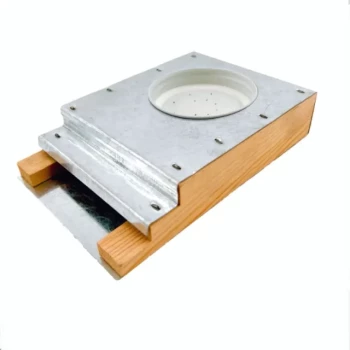
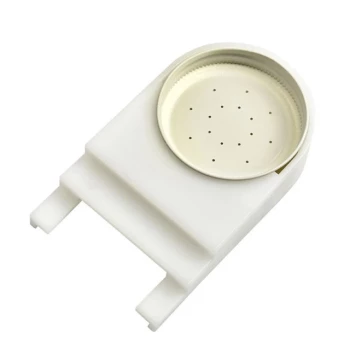
Bee feeders are indispensable strategic tools that bridge the gap between winter dormancy and the intensive demands of spring pollination by providing precise nutritional supplementation. They serve as a life-support system during low temperatures and a biological catalyst in early spring, ensuring colonies reach peak population exactly when natural nectar flows begin.
By simulating a natural nectar flow, bee feeders stimulate the queen to lay eggs and accelerate colony buildup before forage is naturally available. For distributors and resellers, providing specialized feeding equipment is critical to supporting commercial beekeepers who must meet strict pollination deadlines for crops like almonds and apples.
The Strategic Role of Feeders in Early Season Growth
Simulating the Nectar Flow
Artificial feeding via specialized equipment allows beekeepers to trick the colony into "thinking" a nectar flow has started. By delivering precisely mixed syrup, feeders encourage worker bees to begin hive expansion earlier than the environment would otherwise permit.
Stimulating Queen Productivity
The presence of consistent nutrition is the primary signal for the queen bee to increase egg-laying. High-quality feeders ensure that the queen remains active, which is essential for developing a large worker bee population in time for the first major blooms of the year.
Accelerating Colony Buildup
Early spring breeding is a race against time to build a workforce for honey production and pollination. Technical intervention through feeders ensures that the colony reaches maximum foraging strength before fruit tree species and forest flowers enter their peak flowering periods.
Ensuring Colony Survival in Low-Temperature Conditions
Preventing Starvation Scenarios
Late winter and early spring are the most dangerous times for a colony as stored honey reserves often run low. Feeders provide the emergency energy required to prevent colony collapse when inspections reveal a lack of sealed honey in the top bars.
Maintaining Hive Thermoregulation
In low temperatures, bees require significant energy to vibrate their wing muscles and generate heat for the brood. Pollen patties and top feeders provide the protein and carbohydrates necessary for the bees to maintain hive functions and sustain larval rearing during cold snaps.
Bridging the Pollination Gap
Commercial beekeeping relies on colonies being "pollination ready" for early crops like almonds. Supplemental feeding allows beekeepers to maintain labor capacity, ensuring a seamless transition from winter survival to intensive industrial pollination services.
Understanding the Trade-offs and Risks
Anti-Drowning and Hygiene Challenges
Lower-quality feeders can lead to high bee mortality if they lack anti-drowning designs or volume control. Modern, professional-grade feeders are engineered to ensure hygienic feeding while reducing the risk of bees dying due to feeding competition or accidental submersion.
The Risk of Robbing Behavior
Introducing syrup to a hive when natural resources are scarce can trigger "robbing" from neighboring colonies. Beekeepers must use feeders that are internally contained or secure to prevent attracting outside bees, which can lead to colony stress and the spread of pathogens.
Feed Waste and Management Efficiency
Manual feeding is labor-intensive and can be wasteful if the equipment does not allow for precise volume control. Professional beekeepers prioritize feeders that integrate into their existing hive management systems, allowing for rapid replenishment and minimal disturbance to the bees.
Selecting the Right Equipment for Your Portfolio
As a distributor, your inventory must reflect the diverse technical needs of modern beekeeping operations, from emergency winter survival to aggressive spring buildup.
- If your primary focus is pollination service providers: Stock high-capacity top feeders and pollen patty inserts that allow for rapid population growth before almond and apple blooms.
- If your primary focus is honey production hobbyists: Prioritize internal feeders with robust anti-drowning features and transparent designs for easy monitoring without opening the hive.
- If your primary focus is emergency winter management: Focus on specialized winter feeders and patty-compatible equipment that can be used in low-temperature environments without breaking the hive cluster.
Providing your clients with a full spectrum of high-performance feeding solutions ensures they have the professional tools necessary to maintain colony health and maximize their seasonal yields.
Summary Table:
| Strategic Role | Key Benefit | Recommended Equipment |
|---|---|---|
| Nectar Simulation | Stimulates queen egg-laying & hive expansion | Internal or top syrup feeders |
| Winter Survival | Prevents starvation & supports thermoregulation | Pollen patties & emergency feeders |
| Spring Buildup | Ensures pollination readiness for early crops | High-capacity top feeders |
| Hygiene & Safety | Reduces bee mortality & prevents robbing | Feeders with anti-drowning designs |
Partner with HONESTBEE for Professional Beekeeping Solutions
As a leading one-stop sourcing partner, HONESTBEE empowers distributors and commercial apiaries with a comprehensive wholesale portfolio. From specialized bee feeders that ensure colony survival to advanced honey-themed merchandise and hive-making machinery, we provide the full spectrum of equipment needed to succeed in the competitive B2B market.
- Comprehensive Portfolio: Full range of tools, consumables, and professional-grade machinery.
- Deep Industry Expertise: Dedicated support to help you select the right products for your market.
- Efficient Fulfillment: Rapid response times and ultra-fast delivery to ensure your supply chain remains reliable.
- Value-Driven Services: High-quality OEM/ODM support and premium trading services designed to maximize your profit margins.
Ready to enhance your product offering and support your clients with expert-grade equipment? Contact HONESTBEE today to discover how our wholesale solutions can grow your business!
References
- Mehmet Alkaya, Serhan Candemir. Erzincan İli Kemaliye İlçesinde Arıcılık Faaliyetlerinin Mevcut Durumu ve Ekonomik Analizi. DOI: 10.24925/turjaf.v13i1.134-141.6982
This article is also based on technical information from HonestBee Knowledge Base .
Related Products
- Rapid Bee Feeder White Plastic 2L Round Top Feeder for 8 or 10-Frame Bee Hives
- White Plastic 0.5L Beekeeping Entrance Feeder for Bees
- HONESTBEE Entrance Bee Feeder Professional Hive Nutrition Solution for Beekeeping
- HONESTBEE Professional Entrance Bee Feeder Hive Nutrition Solution
- Boardman Entrance Bee Feeder Durable Galvanized Steel and Wood Construction for Beekeeping
People Also Ask
- What should be done with feeders and equipment after feeding bees? Essential Steps for Apiary Health
- What should be done if feed in a feeder is not consumed by the bees? Prevent Hive Mold with Prompt Feed Management
- What is the necessity of specialized internal or entrance feeders? Secure Your Hive with Professional Feeding Tools
- How do bee feeders work to preserve colony health during nectar shortages? Essential Guide for Beekeepers
- How quickly does a medium to strong colony usually empty a feeder? A Beekeeper's Guide to Hive Health