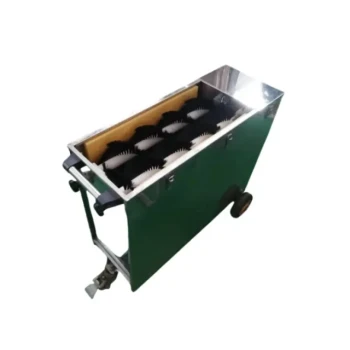
Bee medicine applicators and biological control consumables function as the primary defense system for Cape honey bee colonies against Varroa destructor. By ensuring the precise delivery of treatments, these tools maintain pest densities below critical danger thresholds, directly preventing colony collapse and preserving overall hive vitality.
The uncontrolled spread of parasitic mites is a leading cause of Colony Collapse Disorder (CCD). Specialized application tools and consumables provide the necessary precision to eliminate these pests without harming the host colony, preventing catastrophic production losses that can exceed 90 percent.
The Mechanism of Protection
Precision Delivery Systems
Generic application of pest control agents can be ineffective or dangerous to the colony. Specialized devices, such as sublimators or evaporation strips, are engineered to administer treatments with exact control.
These applicators regulate the release concentration of active ingredients. This precision ensures the dosage is lethal to mites but remains safe for the honey bees.
Targeted Biological Agents
Consumables used in these systems often include organic agents like thymol, oxalic acid, or formic acid. Unlike broad-spectrum pesticides, these substances utilize specific chemical or biological mechanisms to target the physiology of the mite.
This approach eliminates the parasite while preserving the bees' brood activity and foraging capacity. It is particularly vital for apiaries seeking organic honey certification, where avoiding synthetic chemical residues is a priority.
Critical Impacts on Colony Health
Interrupting Virus Transmission
Varroa destructor is not just a physical parasite; it is a vector for debilitating viruses. Effective treatment drastically reduces parasite density, interrupting the transmission cycle of these viruses.
Protecting Winter Viability
Intervention is most critical before the colony enters the overwintering phase. By reducing mite loads early, the immune function of "winter bees" is protected. This ensures the colony has the biological resilience required to survive the winter months.
Ensuring Physiological Stability
For research and experimental colonies, Varroa mite treatment strips offer a slow-release preventative measure. By eliminating the interference of pests and diseases, the colony maintains physiological health. This ensures that data recorded regarding foraging behavior remains scientifically accurate and reproducible.
Understanding the Trade-offs
The Balance of Concentration
The effectiveness of these tools relies entirely on the concentration of the active ingredient. If the concentration is too low, the mites survive and develop resistance; if it is too high, the treatment can harm the bees or contaminate the honey.
Timing and Seasonality
Applicators are not "set and forget" solutions. Their success depends on timing the application to coincide with specific colony phases, particularly before overwintering. Missed windows of opportunity can render even high-quality consumables ineffective against an established infestation.
Making the Right Choice for Your Goals
To maximize the efficacy of your pest management strategy, align your tools with your specific operational objectives:
- If your primary focus is Commercial Stability: Prioritize systems that drastically reduce parasite density before winter to avoid the >90% loss rates associated with Colony Collapse Disorder.
- If your primary focus is Organic Certification: Select applicators designed for organic agents like formic or oxalic acid to eliminate mites without leaving prohibited chemical residues.
- If your primary focus is Scientific Research: Utilize slow-release strips to maintain a constant baseline of health, ensuring your behavioral data is not skewed by pest interference.
Precision in application is not just about pest control; it is the fundamental safeguard for the long-term survival of the apiary.
Summary Table:
| Protection Mechanism | Key Features | Primary Benefit |
|---|---|---|
| Precision Applicators | Sublimators, evaporation strips | Accurate dosing; lethal to mites, safe for bees |
| Biological Agents | Thymol, oxalic acid, formic acid | Organic-friendly; preserves hive health and honey quality |
| Viral Interruption | Mite density reduction | Prevents transmission of debilitating bee viruses |
| Seasonal Stability | Pre-overwintering treatment | Ensures winter bee immunity and colony survival |
Secure Your Apiary's Future with HONESTBEE
Protecting your colonies from Varroa destructor requires more than just medicine—it requires precision. At HONESTBEE, we specialize in supporting commercial apiaries and distributors with a comprehensive range of high-performance beekeeping tools and machinery.
From advanced bee medicine applicators and treatment consumables to heavy-duty honey-filling machines and hive-making equipment, our wholesale solutions are designed to maximize your productivity and minimize colony loss. Whether you are scaling a commercial operation or supplying the next generation of beekeepers, our expert-grade hardware ensures your success.
Ready to upgrade your equipment? Contact us today to discuss our wholesale offerings and discover how HONESTBEE can strengthen your business.
References
- Jamie Ellis. Cape Honey Bee Apis mellifera capensis Escholtz. DOI: 10.32473/edis-in916-2011
This article is also based on technical information from HonestBee Knowledge Base .
Related Products
- Compact Circular Bee Mite Treatment Dispenser
- Adjustable Formic and Acetic Acid Dispenser for Bee Mite Treatment
- Plastic Handle Single Row Artificial Fiber Bee Brush
- Plastic Bee Pollen Trap Strips Comb Catcher Collector
- 30 cm Plastic Entrance Hole Bee Pollen Trap and Collector
People Also Ask
- What is the function of specialized prevention consumables? Protect Hives from Varroa Mites & European Foulbrood
- What is the function of specialized application devices for Varroa? Precision Control for Healthier Bee Colonies
- What technical factors influence chemical Varroa treatments? Optimize Your Hive Health with Precise Timing
- Why is glycerin used in oxalic or formic acid for Varroa mite control? Unlock Better Efficacy and Slow Release
- What is the primary purpose of organic acids and synthetic acaricides in honeybee colony management? Varroa Control Guide