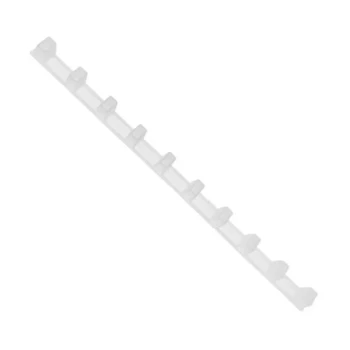
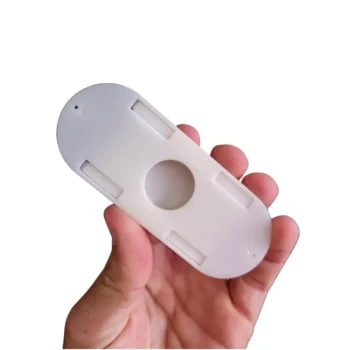
High-contrast plastic sheets serve as a critical diagnostic interface placed directly in front of the hive entrance to capture biological data. Their primary role is to act as a collection surface for dead bees expelled by the colony, enabling the accurate calculation of mortality rates and providing fresh samples for laboratory analysis.
By capturing expelled biomass on a high-visibility surface, these sheets transform raw mortality into actionable data, bridging the gap between field observation and laboratory diagnosis of conditions like Chronic Bee Paralysis Virus.
Transforming Mortality into Actionable Data
The Mechanics of Collection
The natural hygienic behavior of a honeybee colony involves expelling dead or dying members from the hive.
High-contrast plastic sheets placed at the entrance catch these expelled bees before they are lost in the surrounding vegetation.
Accurate Mortality Counts
The visual contrast of the sheet against the dead bees is essential for precision.
It allows beekeepers to perform accurate counts of daily mortality, converting anecdotal observation into trackable statistical data.
Real-Time Health Tracking
Monitoring the volume of dead bees allows for the real-time tracking of colony health.
Sudden spikes in the number of bees found on the sheet serve as an immediate early warning system for health crises.
Facilitating Pathological Analysis
Securing Fresh Samples
For laboratory testing to be effective, biological samples must be fresh.
The sheets provide a clean, accessible surface to collect recently expelled bees, ensuring that biological samples are suitable for high-quality pathological analysis.
Diagnosing Chronic Bee Paralysis Virus (CBPV)
The primary reference highlights these sheets as a critical field-testing method for specific infections.
They are particularly effective for assessing the clinical symptoms and severity of Chronic Bee Paralysis Virus (CBPV), identifying the infection based on the condition and volume of the dead bees.
Understanding the Trade-offs
Biological vs. Environmental Data
While plastic sheets provide direct biological evidence of disease (mortality and pathology), they do not monitor the internal hive environment.
Smart sensor systems, as noted in supplementary sources, are better creating a picture of physical parameters like temperature, humidity, and hive weight.
Manual Diagnosis vs. Remote Management
Plastic sheets require physical inspection and manual counting to be effective.
In contrast, automated sensors allow for remote decision-making regarding overwintering status or swarming predictions, but they cannot physically collect the biological samples needed to diagnose viral infections.
Making the Right Choice for Your Goal
To establish a comprehensive health assessment strategy, you must choose the tool that aligns with your specific diagnostic needs.
- If your primary focus is diagnosing specific diseases like CBPV: Implement high-contrast sheets to track mortality rates and collect fresh samples for lab pathology.
- If your primary focus is operational management: Utilize internal sensors to monitor overwintering status, predict swarming, and gauge nectar flow through weight and temperature data.
Effective colony management often relies on combining physical sampling for disease with digital monitoring for environmental context.
Summary Table:
| Feature | High-Contrast Plastic Sheets | Smart Sensor Systems |
|---|---|---|
| Primary Function | Biological sample collection & mortality counting | Environmental & physical parameter monitoring |
| Key Metric | Expelled bee biomass & pathology | Temperature, humidity, hive weight |
| Diagnostic Focus | Specific diseases (e.g., Chronic Bee Paralysis Virus) | Overwintering status & swarming predictions |
| Data Type | Physical biological evidence | Digital environmental data |
| Operation | Manual field inspection | Remote monitoring & automation |
Elevate Your Apiary Management with HONESTBEE
At HONESTBEE, we understand that effective colony health requires both precise biological monitoring and high-quality infrastructure. Whether you are a commercial apiary looking to optimize your disease management or a distributor seeking a reliable wholesale partner, we provide the tools you need to succeed.
Our comprehensive range includes:
- Advanced Machinery: Hive-making and honey-filling machines to scale your operations.
- Beekeeping Equipment: A full spectrum of professional-grade tools and essential industry consumables.
- Cultural Merchandise: Unique honey-themed products to expand your market reach.
Don't leave your colony health to chance. Partner with HONESTBEE for specialized hardware and expert solutions that bring value to your business. Contact us today to explore our wholesale offerings!
References
- Éric Dubois, Magali Ribière-Chabert. Effect of pollen traps on the relapse of chronic bee paralysis virus in honeybee (Apis mellifera) colonies. DOI: 10.1007/s13592-017-0547-x
This article is also based on technical information from HonestBee Knowledge Base .
Related Products
- Beehive Entrance Discs Plastic Bee Entrance Disc for Bee Hives
- Food Grade Plastic bee Foundation for Bee Frames
- Beeswax Foundation Sheets Beehive Foundation for Wholesale
- Professional Insulated Plastic Bee Hives
- Plastic Bee Frame Beekeeping Hive Frames for Wholesale
People Also Ask
- What is the best entrance for a bee hive? Maximize Colony Health & Honey Production
- What happens if you block the entrance to a bee hive? Avoid This Dangerous Mistake
- How does entrance configuration vary seasonally for beekeepers? A Guide to Year-Round Hive Health
- Why adjust beehive entrance size for humidity? Boost Honey Ripening and Varroa Control in Commercial Apiaries
- How big should a beehive entrance be? Optimize for Colony Health & Honey Production