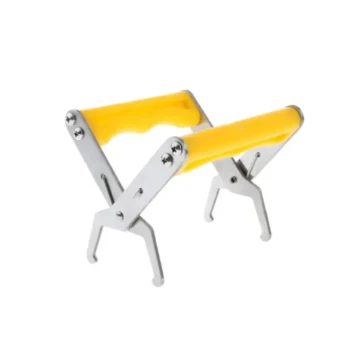
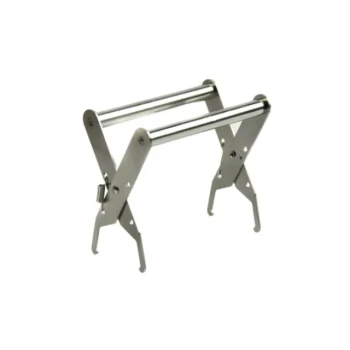
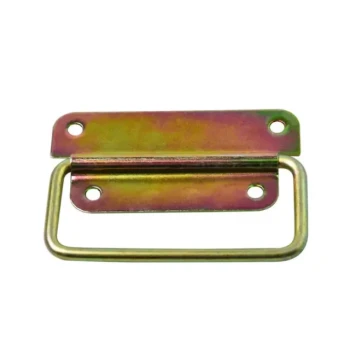
Hive transport equipment and fixation devices function as the essential hardware foundation for migratory beekeeping. They serve a dual purpose: securing the internal structure of the hive against physical impact and regulating environmental conditions—specifically ventilation—to prevent colony collapse during relocation between geographical zones and altitudes.
By stabilizing the hive environment during transit, these tools allow beekeepers to transition from fixed-area production to an industrialized model. This mobility enables producers to follow seasonal plant phenology, ensuring continuous foraging and maximizing total annual honey production.
Ensuring Colony Survival During Transit
Stabilizing Internal Structures
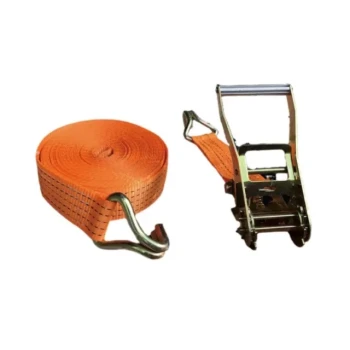
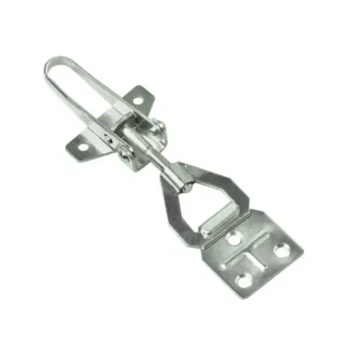
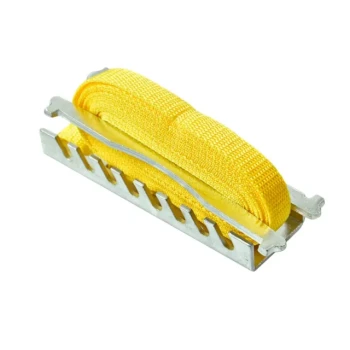
The primary risk during transport is physical damage to the hive structure. Fixation devices are critical for holding hive components together, ensuring that frames and boxes do not shift or collapse due to road vibration or handling.
Without robust fixation, the internal chaos can crush bees and damage the queen. Proper securing systems maintain the integrity of the colony, allowing it to arrive at the destination intact.
Preventing Overheating Through Ventilation
Transport creates a high-risk environment for overheating, which is a leading cause of colony loss. Entrance closures and specialized ventilation systems are required to keep bees contained while maintaining airflow.
This equipment manages the internal temperature, preventing the "meltdown" of combs and suffocation of the colony. This is particularly vital when moving across varying altitudes or during warmer seasons.
Facilitating Industrial-Scale Efficiency
Extending the Forage Season
Migratory beekeeping relies on overcoming local resource scarcity. Specialized transport vehicles enable beekeepers to move colonies to chase flowering cycles, such as clover, cotton, or citrus groves.
This mobility allows for an extended collection season. By following geographical variations in plant blooming periods, beekeepers can maintain production levels year-round rather than relying on a single local harvest.
Minimizing Stress for Rapid Recovery
High-performance handling machinery and transport vehicles are designed to minimize vibrations. Reducing physical stress during transit is directly linked to productivity upon arrival.
When stress is minimized, colonies can resume foraging activities almost immediately at the new site. This efficiency is key to optimizing nectar resource utilization and increasing the overall honey yield per colony.
Common Pitfalls to Avoid
Neglecting Ventilation for Security
A common error is prioritizing the secure closure of the hive over adequate airflow. While entrance closures prevent bee escape, they must be paired with sufficient ventilation systems.
Failing to balance security with airflow leads to rapid overheating. Even a secure hive is useless if the colony succumbs to heat stress during a long-distance move.
Overlooking Vibration Impact
Standard trucks often lack the suspension requisite for delicate cargo like live bees. Relying on non-specialized transport can introduce excessive vibration.
Continuous vibration stresses the colony, potentially delaying their return to foraging duties. Specialized equipment is an investment in the immediate productivity of the hive post-transport.
Making the Right Choice for Your Operation
For a successful migratory operation, align your equipment choices with your specific production goals:
- If your primary focus is maximizing annual yield: Prioritize specialized loading machinery and vehicles that allow you to rapidly chase multiple flowering periods (like Rosemary or Eucalyptus) to extend your production window.
- If your primary focus is colony health and survival: Invest heavily in high-quality ventilation systems and vibration-dampening fixation devices to ensure bees arrive stress-free and ready to work.
The right transport infrastructure does not just move bees; it transforms beekeeping from a static hobby into a dynamic, yield-optimized industry.
Summary Table:
| Feature | Role in Migratory Beekeeping | Impact on Colony Performance |
|---|---|---|
| Fixation Devices | Stabilize internal frames and hive boxes | Prevents physical damage and queen loss during transit |
| Ventilation Systems | Regulate temperature and airflow | Prevents hive overheating and colony suffocation |
| Loading Machinery | Facilitate rapid and efficient relocation | Enables following seasonal flowering cycles for higher yields |
| Specialized Vehicles | Minimize road vibrations and physical stress | Ensures bees resume foraging immediately upon arrival |
Scale Your Commercial Apiary with HONESTBEE Professional Equipment
Transitioning to an industrial migratory model requires more than just mobility—it requires the right infrastructure. HONESTBEE empowers commercial apiaries and distributors with a complete range of high-performance beekeeping tools and machinery.
Whether you need robust fixation hardware, specialized hive-making machines, or high-capacity honey-filling equipment, our wholesale solutions are designed to maximize your annual honey production and ensure colony survival. From specialized machinery to essential consumables, we provide the tools you need to optimize your yield.
Ready to upgrade your operation? Contact us today to explore our wholesale catalog and see how we can support your business growth!
References
- Sangita Egan Parajuli, RB Thapa. Foraging Behavior of Apis mellifera L. Landraces Under Terai Condition of Nepal. DOI: 10.3126/njst.v13i2.7714
This article is also based on technical information from HonestBee Knowledge Base .
Related Products
- Durable Plastic Interlocking Hive Connector for Beekeeping
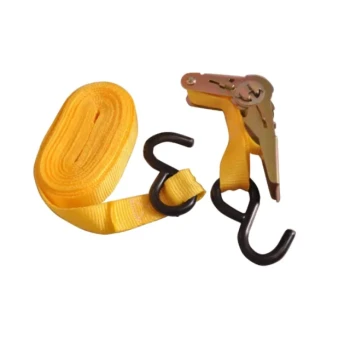
- Heavy Duty Ratchet Hive Strap
- Heavy Duty Adjustable Hive Connector
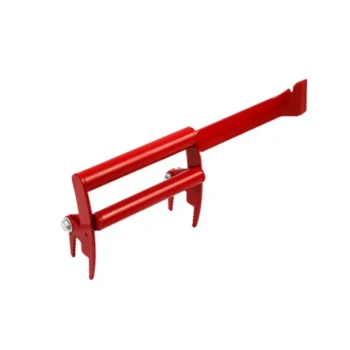
- Ergonomic Two Person Foldable Hive Lifter
- Professional Galvanized Hive Strap with Secure Locking Buckle for Beekeeping
People Also Ask
- How do plastic bee hives compare to wooden hives in handling? Reduce Strain & Boost Efficiency
- Are plastic bee hives any good? Unlock Durability & Efficiency for Your Apiary
- Under what circumstance are beehive connectors particularly beneficial? Optimize Handling for Full Beehive Attachments
- Are plastic bee hives good? Durable, Low-Maintenance Hives for Modern Apiaries
- What is the advantage of using the beehive connector when handling full attachments? Achieve Safe and Efficient Hive Transport