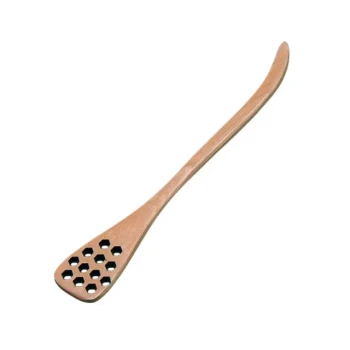
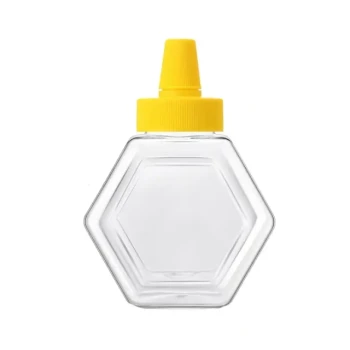
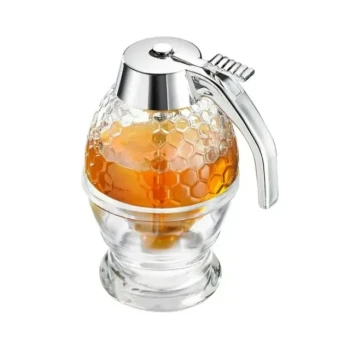
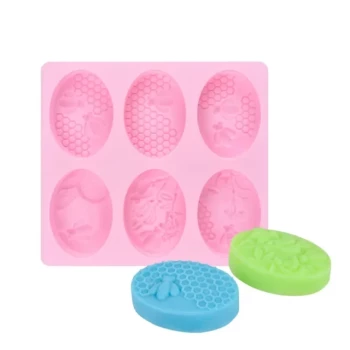
Honey-themed cultural merchandise serves as a vital physical medium for establishing positive neighborhood relations in urban settings. These products function as tangible communication tools that alleviate public fear of bee colonies while simultaneously initiating critical dialogues about urban ecology and pollinator protection.
Core Takeaway In urban environments where nature is often disconnected from daily life, honey-themed products act as "ecological diplomats." They transform the abstract or fearful concept of beekeeping into an accessible cultural experience, facilitating ecological reconciliation and fostering a shared community identity.
The Mechanism of Engagement
Transforming Fear into Fascination
Urban residents often harbor anxiety regarding the proximity of bee colonies. High-quality honey-themed merchandise helps alleviate these concerns by presenting bees in a non-threatening, culturally appreciative context.
By turning the bee into a cultural symbol—through crafts, models, or art—the organism is reframed from a potential pest to a valued community asset.
The Object as a Conversation Starter
Merchandise acts as a "carrier for communication." It provides a neutral, approachable entry point for complex discussions about biodiversity.
Rather than lecturing residents on environmental science, a tangible product invites curiosity. This leads to organic conversations about the role of pollinators in the city ecosystem.
Facilitating Ecological Reconciliation
The primary role of these products is to mediate the relationship between human density and nature.
This process is known as ecological reconciliation. The merchandise serves as the physical evidence of a harmonious existence between the urban environment and agricultural practices.
Strategic Value in Community Building
Bridging Producers and Consumers
Beyond the ecological message, these products connect the producer (the beekeeper) directly to the consumer (the neighbor).
This connection humanizes the beekeeping operation. It transforms a faceless agricultural activity into a community-supported endeavor, fostering stronger relationships based on shared value.
Extending the Cultural Narrative
Merchandise allows beekeepers to extend their reach beyond traditional agricultural sales into "brand culture construction."
By integrating products like creative packaging or themed crafts, producers create a unique visual identity. This reinforces the consumer's connection to beekeeping heritage, making the preservation of that heritage a community goal.
Common Pitfalls to Avoid
The Risk of Commercial Dilution
While merchandise generates revenue, treating it solely as a sales tool can backfire.
If the products lack educational value or cultural relevance, they fail to act as a medium for engagement. The merchandise must reinforce the identity of honey as a natural, organic product to maintain credibility.
Quality over Quantity
The primary reference emphasizes "high-quality" products for a reason. Low-quality derivative products can diminish the perceived value of the beekeeping operation.
To effectively alleviate concern and build trust, the physical quality of the merchandise must mirror the ecological quality of the honey itself.
Leveraging Merchandise for Strategic Impact
To effectively use honey-themed products for community engagement, align your strategy with your specific objective:
- If your primary focus is Conflict Resolution: Prioritize products that visually "soften" the image of bees, using them as tools to alleviate neighbor anxiety.
- If your primary focus is Education: Design merchandise that acts as a direct conversation starter about urban ecology and pollinator protection.
- If your primary focus is Market Differentiation: Use creative packaging and distinct cultural crafts to establish a unique brand identity that competitors cannot mimic.
Ultimately, the most successful merchandise does not just sell a product; it sells the concept of a sustainable, bee-friendly city.
Summary Table:
| Strategic Objective | Role of Cultural Merchandise | Key Benefit to Community |
|---|---|---|
| Conflict Resolution | Softens the image of bees through crafts and art | Alleviates fear and promotes neighborly harmony |
| Ecological Education | Acts as a 'conversation starter' for biodiversity | Increases awareness of pollinator protection |
| Brand Building | Extends narrative through creative packaging | Establishes a unique, professional brand identity |
| Community Bonding | Bridges the gap between producer and consumer | Fosters shared identity and support for local apiaries |
Elevate Your Beekeeping Brand with HONESTBEE
Are you a commercial apiary or distributor looking to bridge the gap between production and community engagement? HONESTBEE is your strategic partner in the honey industry. We provide a comprehensive wholesale offering designed to scale your operations and deepen your market impact.
From professional beekeeping tools and machinery to specialized honey-filling and hive-making equipment, we ensure your production meets the highest standards. Furthermore, our diverse range of honey-themed cultural merchandise helps you transform your honey into a compelling brand story that resonates with urban consumers.
Ready to grow your honey business and community influence?
Contact HONESTBEE Today to explore our wholesale solutions and discover how our equipment and merchandise can drive your success.
References
- Douglas B. Sponsler, Eve Z. Bratman. Beekeeping in, of or for the city? A socioecological perspective on urban apiculture. DOI: 10.1002/pan3.10206
This article is also based on technical information from HonestBee Knowledge Base .
Related Products
- Modern Honeycomb Pattern Wooden Honey Dipper for Stirring and Drizzling
- Heart-Shaped Comb Honey Frame and Honeycomb Cassette
- Honey Tank Heater Drum Heating Blanket for Honey Barrel
- Classic Beehive Honey Bottle Jar with Squeeze Dispenser Lid
- Professional Plastic Honey Dipper for Easy Honey Drizzling
People Also Ask
- What is the proper method for cleaning a honey dipper? Maintain Pure Flavor with These Easy Pro Tips
- What is a honey dipper and what is it used for? A Guide to Mess-Free Drizzling
- What is a honey dipper? Master the Art of the Perfect Drizzle with This Essential Tool
- What is a honey taking spoon called? Discover the Tool for a Perfect, Mess-Free Drizzle
- How do you clean and store a honey dipper? Simple Steps for Long-Lasting Performance