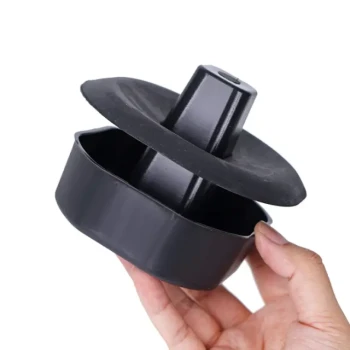
Plastic tubes installed on hive stand legs function primarily as a physical exclusion barrier. By leveraging their inherently smooth surfaces or serving as a base for applied coatings, they prevent crawling pests like ants from climbing the stand to access the hive. This simple mechanical intervention is critical for reducing colony stress and preventing the financial loss associated with pest infestations.
Core Takeaway Pests like ants cause significant disturbance that can lead colonies to abandon their hives (absconding). Plastic tubes provide a scalable, cost-effective defense system that physically blocks these intruders, protecting both the bees' health and the apiary's productivity.
How the Barrier Mechanism Works
Denying Traction to Pests
The fundamental role of the plastic tube is to create a surface that is mechanically difficult to traverse. The smooth surface of the plastic denies ants and other crawling insects the traction they need to climb vertically. This forces pests to slip or turn back before they can reach the hive entrance.
Enhancing Protection with Coatings
Beyond the plastic itself, these tubes often act as a substrate for specific coatings. Beekeepers may apply substances to the tubes that further impede movement. This creates a dual-layer defense: a naturally slippery material enhanced by a coating that renders the leg impassable to crawling threats.
Protecting Colony Health and Stability
Minimizing Colony Disturbance
A hive under constant attack from ants suffers from chronic stress. The colony must divert energy from foraging and honey production to defense. By stopping pests at the ground level, the tubes reduce this disturbance, allowing the bees to focus on productive behaviors.
Preventing Colony Absconding
The ultimate risk of a severe pest infestation is absconding, where the entire colony abandons the hive to escape the pressure. This results in a total loss of the "livestock" for the apiary. Plastic tubes serve as a critical safeguard against this behavior by keeping infestation pressure low.
Operational Considerations for Commercial Apiaries
A Cost-Effective Technical Measure
For commercial operations managing large numbers of colonies, solutions must be scalable. Plastic tubes are a cost-effective technical measure. They provide permanent infrastructure protection without the recurring costs or chemical risks associated with pesticides.
Understanding the Trade-offs
Necessity of Maintenance
While plastic tubes are effective, they are not entirely maintenance-free. To function as a physical barrier, the surface must remain smooth and clean. Dust, debris, or vegetation bridging the gap can render the tube ineffective, allowing pests to bypass the protection.
Limitation to Crawling Pests
It is vital to recognize that this measure is specific to crawling pests. These tubes provide no defense against flying predators (like wasps) or internal parasites (like varroa mites). They are a specialized tool for a specific type of threat.
Making the Right Choice for Your Apiary
Implementing hive stand protection is about risk management. Here is how to prioritize your approach:
- If your primary focus is Pest Exclusion: Ensure the plastic tubes remain free of debris and maintain their smooth surface or coating to guarantee they block crawling insects effectively.
- If your primary focus is Asset Retention: View these tubes as insurance against absconding; the small upfront cost protects you from the total loss of a producing colony.
By integrating this simple mechanical barrier, you safeguard the biological integrity of the colony and the financial stability of the operation.
Summary Table:
| Feature | Function & Benefit |
|---|---|
| Material | Smooth plastic surface denies traction to crawling insects. |
| Mechanism | Acts as a physical exclusion barrier or substrate for coatings. |
| Key Benefit | Prevents colony stress and costly absconding behaviors. |
| Scalability | Low-cost, durable solution ideal for large-scale operations. |
| Limitation | Specific to crawling pests; requires debris-free maintenance. |
Secure Your Apiary’s Productivity with HONESTBEE
Protecting your investment from pests is critical for commercial success. HONESTBEE supports commercial apiaries and distributors with high-quality beekeeping tools, machinery, and essential consumables. From advanced hive-making and honey-filling machines to durable hardware and honey-themed merchandise, we provide the comprehensive wholesale solutions your business needs to thrive.
Ready to scale your operation with professional-grade equipment?
Contact Us Today to Discuss Your Wholesale Needs
References
- Tolera Kumsa, Dejene Takele. Assessment of the Effect of Seasonal Honeybee Management on Honey Production of Ethiopian Honeybee (Apis mellifera) in Modern Beekeeping in Jimma Zone. DOI: 10.15580/gjpbcs.2014.3.010314013
This article is also based on technical information from HonestBee Knowledge Base .
Related Products
- Plastic Bee Hive Stand for Beekeeping
- Professional Ant-Proof Beehive Stand with Integrated Moat for Beekeeping
- Durable Plastic Interlocking Hive Connector for Beekeeping
- Plastic Bee Frame Beekeeping Hive Frames for Wholesale
- 3.5L Plastic Beehive Frame Feeder Deep Frame Water Feeder for In Hive Use
People Also Ask
- What are the benefits of elevating a bee hive with a stand or base? Protect Your Colony and Your Back
- What are the essential technical specifications for a high-quality bee hive stand? Maximize Stability and Hive Safety
- What are the potential risks of plastic bee hive stands? Avoid Structural Failure in Your Apiary
- What height should a bee hive stand be? Optimize for Your Back and Hive Health
- Why are specialized beehive stands or protective barriers necessary for pest management in apiaries? Secure Your Colony