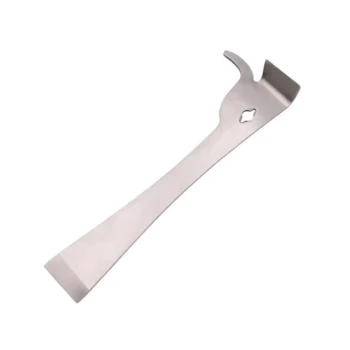
Professional beekeeping tools and machinery fundamentally transform apiary operations by replacing manual variability with standardized, mechanized precision. These technologies act as force multipliers, significantly reducing labor intensity while improving the accuracy of critical tasks like honeycomb processing, pest management, and extraction.
The introduction of professional machinery shifts beekeeping from an extensive, labor-heavy craft to an intensive, high-efficiency operation. By enforcing standardization across hive components and processing equipment, apiaries can minimize colony disturbance and maximize the output-to-input ratio.
Standardization as the Foundation of Scale
Achieving Universality in Equipment
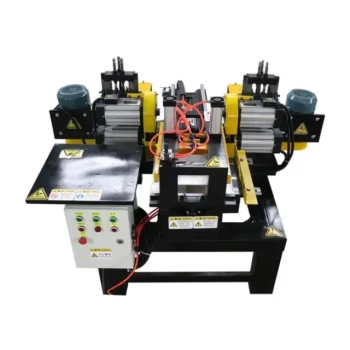
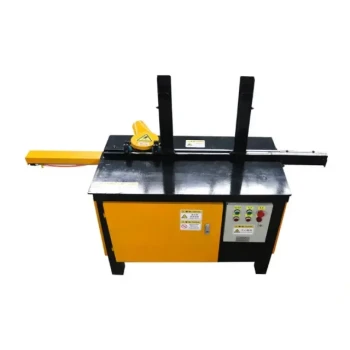
Professional hive-making machinery produces components with precise, standardized specifications. This eliminates the inefficiencies caused by ill-fitting parts, ensuring universality and interchangeability across different apiary sites.
Streamlining Workflow and Logistics
Standardized wooden components simplify routine maintenance and reduce the labor time required per hive unit. This uniformity is particularly vital for migratory beekeeping, allowing operations to transport colonies efficiently to follow seasonal blooms without logistical bottlenecks.
Cost Reduction through Mechanization
Mechanized production of hive components lowers the per-unit construction cost. This economic efficiency allows commercial apiaries to scale operations rapidly while maintaining a rational, durable infrastructure.
Optimizing Colony Environment and Health
Minimizing Biological Disturbance
Professional tools are designed to optimize the internal hive environment, directly impacting yield. By reducing the physical disturbance to the colony during inspections and maintenance, the bees experience less stress, allowing them to focus energy on production.
Guided Nest Building
Modern hives utilize scientific frame and foundation designs that guide honeybees to build orderly nests. This prevents irregular comb construction, optimizing the utilization of honey storage space inside the hive.
Enhanced Pest and Disease Control
Rational hive structures facilitate more effective routine inspections and precise application of treatments. This proactive management capability reduces production losses and helps bridge the gap between high-yield and low-yield regions.
Mitigating Mortality Risks
Standardized equipment mitigates the operational risks associated with mismatched gear. Utilizing industrial-grade components ensures normalized procedures, significantly reducing honeybee mortality rates caused by structural failures or poor ventilation.
Automation in Processing and Management
Precision in Extraction and Packaging
Automated honey filling machines introduce quantitative precision and rigorous hygiene standards to the post-harvest process. This ensures product consistency, which is essential for meeting industrial production targets and market competitiveness.
Reallocating Human Resources
By automating repetitive tasks like filling and packaging, machinery frees up skilled beekeepers to focus on core technical activities. Personnel can redirect their attention toward population genetic improvement and high-level health monitoring rather than manual labor.
Understanding the Trade-offs
The Necessity of Total Integration
To realize these efficiency gains, equipment must be fully standardized; mixing professional gear with traditional, ad-hoc equipment can introduce risks. Incompatibilities between systems can lead to operational friction and potential injury to the colony.
The Shift to Capital Intensity
While labor intensity decreases, the reliance on capital assets increases. The "output-to-input ratio" improves operationally, but it requires a commitment to maintaining industrial-grade hardware rather than relying solely on traditional husbandry skills.
Making the Right Choice for Your Goal
To apply these principles effectively, align your equipment investment with your specific operational phase:
- If your primary focus is Rapid Scaling: Prioritize hive-making machinery and standardized components to lower per-unit costs and ensure equipment interchangeability across new sites.
- If your primary focus is Yield Optimization: Invest in scientific frames and modern hive designs to maximize storage space and minimize colony disturbance during inspections.
- If your primary focus is Product Quality: Direct resources toward automated filling and processing machinery to ensure hygiene standards and precise packaging for market readiness.
Professional machinery is not merely a convenience; it is the essential hardware foundation required to stabilize production levels and secure the long-term growth of a commercial apiary.
Summary Table:
| Key Factor | Impact on Efficiency | Commercial Benefit |
|---|---|---|
| Standardization | Reduces maintenance time per unit | Seamless scalability and lower logistics costs |
| Mechanization | Lowers manual labor intensity | Increases output-to-input ratio and ROI |
| Colony Health | Minimizes biological disturbance | Higher survival rates and optimized honey yield |
| Automation | Ensures precision in filling & packing | Consistent product quality and market competitiveness |
Elevate Your Apiary Operations with HONESTBEE
At HONESTBEE, we understand that for commercial apiaries and distributors, efficiency is the backbone of profitability. We provide a comprehensive wholesale range of industrial-grade beekeeping tools, from high-precision hive-making machinery to automated honey-filling systems and essential consumables.
Our solutions are designed to help you transition from labor-intensive traditional methods to a high-yield, standardized operation. Partner with us to secure the hardware foundation your business needs to scale globally.
Ready to optimize your production? Contact us today to explore our wholesale machinery and equipment catalog!
References
- Duran GÜLER. ANALYSIS OF SIMILARITIES AND DIFFERENCES IN BEEKEEPING BETWEEN TÜRKİYE AND EUROPEAN UNION COUNTRIES. DOI: 10.31467/uluaricilik.1487445
This article is also based on technical information from HonestBee Knowledge Base .
Related Products
- HONESTBEE Professional Mini J-Hook Hive Tool for Beekeeping
- HONESTBEE 15-in-1 Beekeeper Multi-Tool with Hammer and Pliers for Beekeeping
- Stainless Steel Queen Grafting Tool for Beekeeping and Bee Queen Grafting
- Professional Bee Frame Machine for Side Bar Shaping
- Stainless Steel J Hook Hive Tool for Beekeeping
People Also Ask
- What specific challenges do beekeeping hive tools address during hive maintenance? Essential Solutions for Apiaries
- What is the recommended method for storing beekeeping tools? Expert Vertical Storage Solutions for Your Apiary
- How does a favorable microclimate interact with beekeeping tools? Boost Overwintering Success and Equipment Longevity
- Why is the treatment of beekeeping tools with high-concentration chemical disinfectants necessary for preventing AFB?
- What is a J-hook hive tool and why is it favored by some beekeepers? Master Gentle Frame Handling