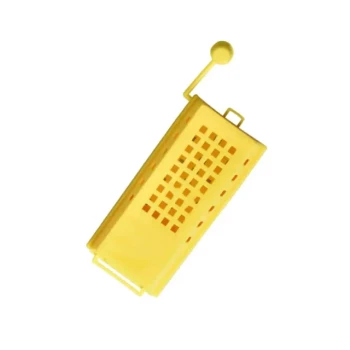
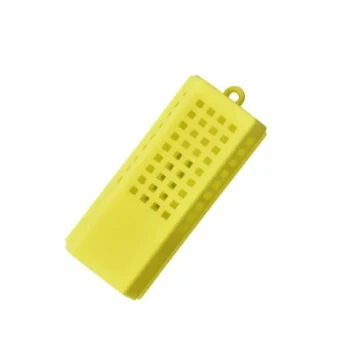
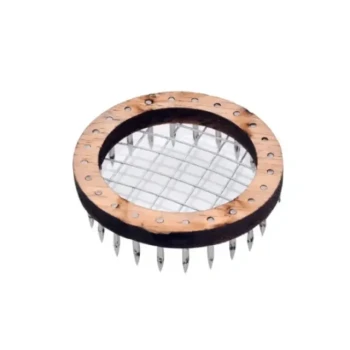
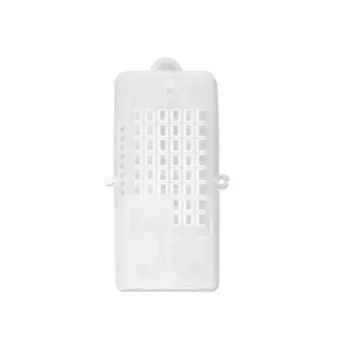
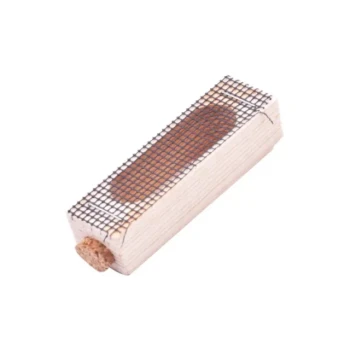
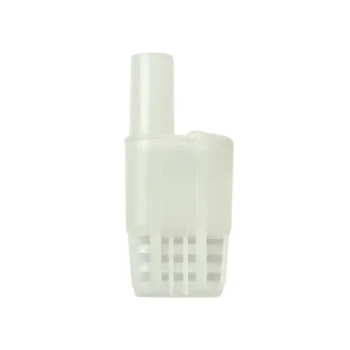
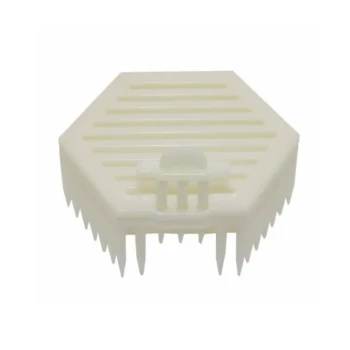
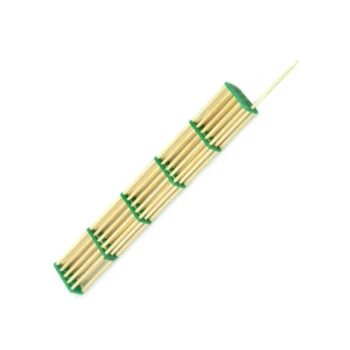
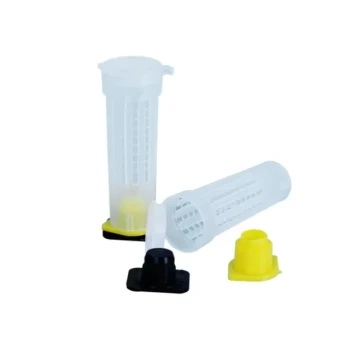
Queen transport cages serve as a critical control mechanism in behavioral studies, functioning as a selective filter for interaction. Specifically, when assessing the relationship between parasitic workers and honeybee queens, these cages provide a physical shield that prevents immediate lethal conflict while simultaneously permitting full chemical exposure. This allows researchers to isolate and observe how parasitic workers react to a queen’s pheromonal signals without the confounding variable of physical combat.
By decoupling physical access from chemical communication, transport cages allow scientists to observe the mechanisms of social parasitism in real-time. They reveal how parasitic bees utilize chemical mimicry to infiltrate a colony and displace a host queen before physical contact ever occurs.
The Mechanics of Safe Observation
To understand the specific interactions between a host queen and parasitic invaders, researchers must strip away the chaos of immediate aggression. The transport cage is the tool that makes this possible.
Physical Protection from Hostility
The primary function of the cage is to ensure the queen’s survival during the initial introduction.
In the context of social parasitism, workers may react violently to a foreign queen. The cage acts as an impenetrable barrier, preventing workers from balling (suffocating) or stinging the queen upon detection.
Permeability for Chemical Exchange
While the cage blocks physical attacks, it is designed to be chemically transparent.
The mesh or ventilation slots allow airflow, ensuring the queen's pheromones disperse freely into the environment. This forces the parasitic workers to evaluate the queen based solely on her chemical profile rather than physical dominance.
Deciphering Social Parasitism
The core utility of the cage in these studies is to reveal the specific strategies parasitic bees use to usurp a colony.
Monitoring Aggression Levels
Researchers use the cage to quantify the hostility of the workers safely.
By observing the workers' behavior on the cage surface—such as biting the wires versus offering food—scientists can gauge acceptance levels. This distinguishes between immediate rejection and successful chemical integration.
Analyzing Displacement Strategies
Social parasites often rely on chemical camouflage to take over a hive.
The cage allows researchers to see if the parasitic workers accept the queen's scent before physical contact is allowed. This helps confirm whether the parasite is displacing the host queen through pheromonal manipulation or brute force.
Understanding the Constraints
While transport cages are essential for these assessments, they introduce artificial variables that must be accounted for to ensure data accuracy.
Artificial Social Barriers
The cage prevents the full spectrum of natural behaviors.
In a natural setting, physical posturing and movement are key parts of dominance hierarchies. The cage eliminates these behavioral cues, forcing the data to rely almost exclusively on chemical interactions.
Confinement Stress
Being locked in a small space acts as a stressor for the queen.
As noted in broader logistics studies, transportation and confinement can impact a queen's physiological potential. High stress levels may alter her pheromone output, which could unintentionally influence the aggression or acceptance rates of the parasitic workers being observed.
Designing Your Behavioral Study
When setting up an experiment to study parasitic interactions, the cage is not just a safety device; it is your primary filter for data.
- If your primary focus is keeping the subject alive: Ensure the mesh size prevents any mandibles or stingers from reaching the queen, as parasitic workers are often hyper-aggressive.
- If your primary focus is analyzing chemical mimicry: Ensure the cage allows maximum airflow so that the queen’s pheromones are the dominant variable in the workers' reaction.
Effective use of the transport cage allows you to strip away physical violence and clearly hear the silent, chemical language of colony takeover.
Summary Table:
| Feature | Role in Behavioral Assessment | Scientific Benefit |
|---|---|---|
| Physical Barrier | Prevents lethal aggression (stinging/balling) | Protects the subject for long-term data collection |
| Mesh Design | Permits full pheromonal and chemical exchange | Isolates chemical cues from physical behavior |
| Controlled Intro | Allows monitoring of worker reaction on the surface | Quantifies aggression vs. acceptance levels |
| Observation Environment | Creates a stable point for video/human monitoring | Enables real-time tracking of social displacement |
Elevate Your Apiary Research and Operations with HONESTBEE
At HONESTBEE, we understand that precision is the backbone of successful beekeeping, whether you are conducting behavioral studies or managing a large-scale commercial operation. We cater exclusively to commercial apiaries and distributors, providing a comprehensive wholesale catalog that ranges from specialized queen transport cages and beekeeping tools to industrial-grade honey-filling and hive-making machinery.
Our mission is to empower you with durable, high-quality equipment and essential consumables that streamline your workflow and protect your honeybee colonies. Partner with a supplier that values your industry expertise as much as you do.
Ready to scale your production or secure high-quality supplies?
Contact HONESTBEE Today for Wholesale Pricing
References
- Peter Neumann, Randall Hepburn. Behavioural basis for social parasitismof Cape honeybees (<i>Apis mellifera capensis</i>). DOI: 10.1051/apido:2002008
This article is also based on technical information from HonestBee Knowledge Base .
Related Products
- Professional Queen Bee Introduction and Transport Cage
- Professional Queen Cage with Sliding Gate and Feeder Plug
- Professional Multi-Compartment Queen Cage with Sliding Lid
- JZBZ Style Professional Battery Box with 20 Shipping Cages
- Durable Galvanized Steel Spring Queen Bee Cage
People Also Ask
- Why are specialized queen bee cages used for the banking of mated queen bees? Maximize Commercial Apiary Storage Efficiency
- What is the mechanism of action for using temporary queen bee cages? Master Successful Queen Introduction
- How is a queen bee released from a queen cage? Ensure Safe Colony Integration & Hive Success
- What materials are required to install a queen bee's cage into a hive? Essential Tools for Successful Queen Integration
- How long should a queen bee stay in the cage before being released? Ensure a Successful Introduction