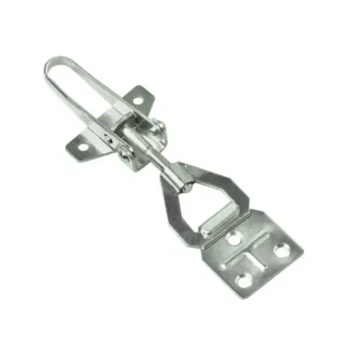
Specialized sealing and transport equipment serve as a critical life-support system for stingless bee colonies during migratory beekeeping. While the logistical goal is relocation, the technical function of this equipment is to physically contain the colony to prevent escape and to rigorously maintain a stable internal microclimate against external stressors.
Core Insight The effectiveness of migratory beekeeping for stingless bees relies less on the distance traveled and more on the stability of the transit environment. Specialized gear mitigates the biological cost of relocation, reducing stress responses to ensure colonies survive the journey and adapt quickly to their new region.
The Biological Function of Sealing Equipment
Preventing Colony Escape
The most immediate role of specialized sealing equipment is the physical containment of the colony. During long-distance transportation, the vibration and disruption of movement can trigger a flight response or panic within the hive.
Effective sealing ensures that the colony remains intact within the hive structure. This prevents the loss of worker bees and ensures the colony arrives at the destination with sufficient population numbers to begin foraging immediately.
Stabilizing Internal Microclimates
Beyond simple containment, specialized sealing plays a vital physiological role. It isolates the hive's interior from drastic external environmental fluctuations, such as wind shear, humidity changes, and temperature spikes on the road.
Maintained stability is crucial because stingless bees rely on specific internal conditions for brood development and food storage. By minimizing exposure to external variables, the equipment reduces the metabolic energy bees must expend to regulate their hive, directly preserving their vitality.
The Impact of Transport Hardware on Colony Health
Reducing Physiological Stress
Stable transport beehives are designed to dampen the physical impact of the journey. The primary reference highlights that reducing stress responses caused by environmental changes is key to survival.
Standard vehicles or loose hives subject bees to excessive vibration and thermal shock. Specialized transport equipment integrates shock-absorbing structures and ventilation systems that protect the colony from the physical trauma associated with road travel.
Accelerating Environmental Adaptation
The ultimate measure of successful migration is how quickly a colony establishes itself in a new location. Colonies transported in stable, sealed environments exhibit a faster "environmental adaptation speed."
Because the bees arrive with lower stress levels and an intact microclimate, they require less recovery time. This allows them to shift focus from hive repair and re-organization to foraging and pollination much sooner than colonies subjected to high-stress transit.
Strategic Mobility and Resource Capture
Utilizing Floral Phenology
Transport equipment enables beekeepers to overcome the limitations of local flowering seasons. By utilizing vehicles capable of rapid deployment, beekeepers can move hives across different altitudes and vegetation zones to follow peak blooms.
Maximizing Annual Production
The integration of specialized loading and transport machinery minimizes downtime between sites. This logistical efficiency allows colonies to continuously access resource-rich areas, avoiding periods of local food scarcity.
Continuous access to nectar flows is the primary driver for increasing total annual honey production. The equipment facilitates a rhythm of movement that aligns the colony's location with the highest availability of floral resources.
Understanding the Trade-offs
While specialized equipment significantly improves survival rates, it introduces specific operational complexities that must be managed.
Ventilation vs. Sealing Balance There is a critical tension between sealing a hive to prevent escape and providing adequate ventilation. Over-sealing without integrated ventilation systems can lead to overheating or carbon dioxide buildup, potentially suffocating the colony. Specialized gear must be calibrated to allow air exchange without compromising the microclimate or allowing escape.
Cost vs. Efficiency Specialized transport vehicles and shock-absorbing hives represent a significant capital investment compared to traditional static beekeeping. The increased honey yield and lower colony mortality must be weighed against the maintenance and acquisition costs of this dedicated hardware.
Making the Right Choice for Your Goal
To select the appropriate equipment strategy, assess your primary operational objective:
- If your primary focus is Colony Survival rates: Prioritize hives with high-grade sealing and insulation capabilities to maintain microclimate stability and minimize transit stress.
- If your primary focus is Production Efficiency: Focus on transport vehicles with integrated loading systems and ventilation to maximize the speed of deployment and logistical turnaround.
Success in migratory beekeeping for stingless bees is defined not by how far you move them, but by how stable you keep their world while doing so.
Summary Table:
| Equipment Type | Primary Role | Key Biological Benefit |
|---|---|---|
| Specialized Sealing | Prevents escape & isolates interior | Stabilizes microclimate; reduces metabolic stress |
| Transport Hardware | Dampens vibrations & thermal shock | Accelerates adaptation; protects brood development |
| Ventilation Systems | Manages gas exchange & cooling | Prevents overheating while maintaining containment |
| Loading Machinery | Facilitates rapid deployment | Maximizes resource capture from peak floral blooms |
Maximize Your Colony Health with HONESTBEE Expertise
At HONESTBEE, we understand that the success of migratory beekeeping for stingless bees depends on the stability of the transit environment. As a premier partner for commercial apiaries and distributors, we provide a comprehensive wholesale offering of high-grade beekeeping tools and specialized machinery designed to mitigate transit stress and boost production efficiency.
Our Value to You:
- Advanced Hardware: From shock-absorbing transport solutions to precision hive-making and honey-filling machines.
- Industry Consumables: A full spectrum of essential supplies to keep your operations running smoothly.
- Global Distribution: Reliable supply chains for wholesale beekeeping equipment and honey-themed cultural merchandise.
Ready to enhance your survival rates and annual honey yield? Contact us today to explore our wholesale solutions!
References
- Sarah Lorena Silva Santos, Rafael Sousa Pinto. Flight Activities of Melipona (Melikerria) fasciculata Smith, 1854 (Apidae: Meliponini) in Migratory Meliponiculture. DOI: 10.13102/sociobiology.v72i3.11542
This article is also based on technical information from HonestBee Knowledge Base .
Related Products
- Plastic Transporting Bee Packages and Nuc Boxes for Beekeeping
- Automatic High-Speed Bee Hive Box Stapling Machine
- High-Efficiency Pneumatic Bee Hive Making Machine for Rapid Box Assembly
- European Stainless Steel Bee Smoker for Honey Bee Hive
- JZBZ Style Professional Battery Box with 20 Shipping Cages
People Also Ask
- What role do bee package boxes play in the commercial transport and expansion of honeybee colonies? - Logistic Essentials
- What are beekeeping boxes called? A Guide to Hive Bodies and Box Types
- How do standardized bee packages serve as a recovery mechanism for commercial beekeeping? Ensure Business Continuity
- What is the commercial value of using standardized bee packages? Drive Scalability in Large-Scale Apiaries
- Why is the timely introduction of high-quality bee packages critical? Save Your Apiary from Asian Hornet Invasions