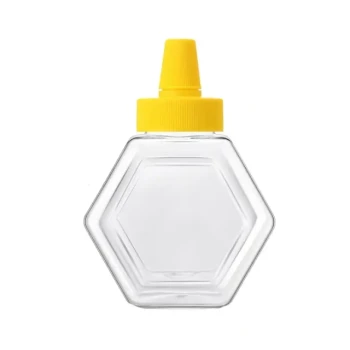
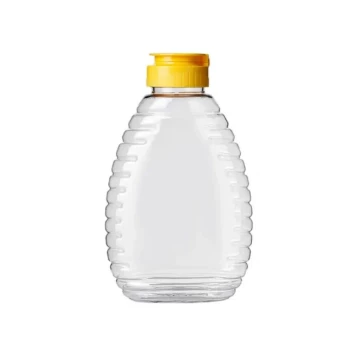
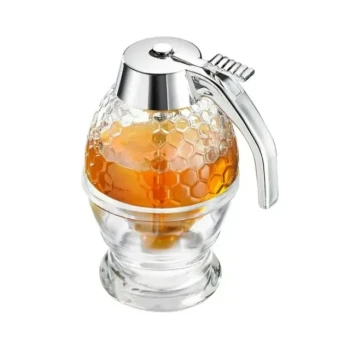
Specialized honey sample cups serve as the critical "chain of custody" mechanism during transit, utilizing chemically inert materials to strictly isolate samples from environmental variables. By creating a hermetic seal against external moisture and contaminants, these containers ensure that the honey analyzed in the laboratory is chemically identical to the honey collected at the source.
Core Takeaway
The primary function of a specialized sample cup is to neutralize honey’s natural hygroscopic properties. By preventing moisture absorption and chemical reactions during transport, these cups guarantee that laboratory results reflect the authentic quality of the product, safeguarding technical evidence required for certifications.
Preserving Chemical Integrity
The Hygroscopic Challenge
Honey is naturally hygroscopic, meaning it actively attracts and holds water molecules from the surrounding environment.
Without a specialized barrier, honey samples will absorb atmospheric moisture during long-distance transport.
This absorption alters the sample's water content, falsifying the physical indicators before the sample ever reaches the lab.
Material Inertness
Standard plastic or glass containers may leach chemicals or react with the acidic nature of honey over time.
Specialized cups are manufactured from chemically inert materials that refuse to interact with the sample.
This ensures that the "pretreatment" phase begins at the moment of collection, stabilizing the sample's chemical profile.
Ensuring Data Authenticity
Preventing Cross-Contamination
Long-distance transport exposes samples to dust, fuel vapors, and other logistical pollutants.
The isolation provided by these cups protects the honey from external contaminants that could skew purity tests.
This physical barrier is essential for maintaining the distinct biological signature of the honey.
Validating Test Results
Laboratory pretreatment relies on the assumption that the incoming sample is valid.
If the sample's physical or chemical indicators shift during transit, high-precision lab equipment will output accurate data on a compromised sample.
Specialized cups ensure the consistency of indicators, guaranteeing the authenticity of the final diagnostic report.
Common Pitfalls to Avoid
The Cost of Improper Containment
Using generic containers often leads to "false failures" in laboratory analysis.
A sample that absorbs even a small amount of moisture may fail physicochemical stability tests, appearing as though the honey was harvested too early or processed incorrectly.
This can jeopardize export certifications, as international distribution networks require technical evidence of specific moisture and impurity levels.
Making the Right Choice for Your Goal
To ensure your honey samples survive the journey from apiary to analysis, align your containment strategy with your objectives:
- If your primary focus is Regulatory Compliance: Prioritize cups that are certified chemically inert to prevent false positives regarding foreign substances or moisture variance.
- If your primary focus is Long-Distance Export: Ensure the sealing mechanism is robust enough to withstand pressure and temperature changes without compromising the moisture barrier.
Authentic data begins with a protected sample.
Summary Table:
| Feature | Role in Transportation & Lab Pretreatment | Impact on Honey Quality |
|---|---|---|
| Material Inertness | Prevents chemical leaching and reactions with honey's acidity | Preserves the original chemical profile |
| Hermetic Sealing | Neutralizes honey's hygroscopic properties (moisture attraction) | Maintains authentic water content levels |
| Physical Barrier | Isolates sample from dust, vapors, and logistical pollutants | Prevents cross-contamination and impurities |
| Data Validation | Ensures consistency between source and laboratory results | Guarantees reliability of export certifications |
Secure Your Honey Quality with HONESTBEE
At HONESTBEE, we understand that accurate laboratory data is the foundation of a successful beekeeping business. As a premier provider for commercial apiaries and distributors, we offer a comprehensive wholesale range of specialized beekeeping tools, machinery, and essential consumables—including high-performance sampling equipment designed to protect your product's integrity.
Whether you need specialized hardware like honey-filling machines or reliable containment solutions for international export, our portfolio is built to scale your operations and safeguard your certifications.
Ready to elevate your honey production and distribution standards?
Contact HONESTBEE Today to explore our full spectrum of professional beekeeping solutions!
References
- Oding Affandi, M Ulfa. Analysis of honey quantity and quality in Flora Nauli Beekeepers at Pematang Siantar, North Sumatra Province. DOI: 10.1088/1755-1315/1417/1/012005
This article is also based on technical information from HonestBee Knowledge Base .
Related Products
- Classic Honey Bear Jars with Flip Top Dispensing Cap for Liquid Sweeteners
- Hexagonal Squeeze Honey Bottle with No Drip Lid
- Squeezable No-Drip Beehive-Shaped Honey Jars with Flip-Top Cap
- Inverted Squeezable Honey Jar with No Drip Flip Top Cap for Easy Pouring
- Classic Beehive Honey Bottle Jar with Squeeze Dispenser Lid
People Also Ask
- What food safety standards must honey containers meet? Expert Guide to Packaging Integrity & Hygiene
- Why is it important to distinguish between weight and volume when selecting honey containers? Maximize Profits Now
- What are the benefits of purchasing honey containers in bulk? Maximize Margins & Secure Your Supply Chain
- What should be considered when choosing a container for honey to ensure effective sealing? Master Honey Packaging Success
- What is the best container to store honey in? Preserve Purity & Flavor for Years