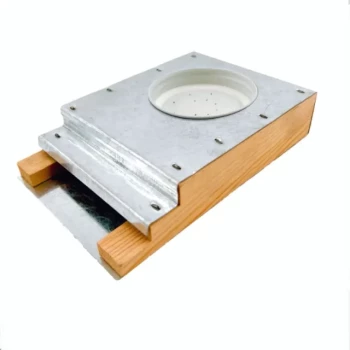
The primary role of a simple incubator in processing artificial bee feed is to establish and maintain a consistent thermal environment essential for fermentation. By regulating the temperature, the incubator acts as a catalyst, waking up specific microorganisms within the feed mixture to initiate a chemical transformation that enhances both the safety and nutritional quality of the food source.
Core Takeaway: An incubator is not merely a heater; it is a metabolic activator. It creates the precise conditions required to convert simple sugars into lactic acid, a process that naturally preserves the feed and significantly increases its nutritional value for the colony.
The Mechanics of Metabolic Activation
Creating a Stable Thermal Environment
The fundamental function of the incubator is to provide a stable thermal environment.
Fluctuations in temperature can stall biological processes. The incubator ensures the feed remains at a constant temperature, creating the ideal conditions necessary for biological activity to occur efficiently.
Stimulating Beneficial Microorganisms
The controlled heat specifically targets beneficial microorganisms, such as Lactobacillus and Pediococcus.
These bacteria require specific metabolic conditions to thrive. The incubator provides the energy and stability they need to multiply and begin processing the ingredients within the artificial feed.
The Chemical Transformation Process
Converting Sugars to Lactic Acid
Once the environment is stabilized, these activated microorganisms begin to consume the sugars present in the feed.
Through their metabolic activity, they facilitate the conversion of sugars into lactic acid. This conversion is the engine of the entire processing method, chemically altering the composition of the raw ingredients.
Lowering the pH Level
The accumulation of lactic acid results in a measurable drop in the feed's pH level.
This acidification is not a side effect; it is a critical objective. A lower pH environment alters the chemistry of the feed in a way that is biologically advantageous for the bees.
Strategic Benefits for Bee Health
Natural Pathogen Inhibition
The acidic environment created by the incubator-driven process acts as a potent biological shield.
By lowering the pH, the process inhibits the growth of unwanted bacteria. This prevents spoilage and protects the colony from pathogens that might otherwise proliferate in a raw, sugar-rich mixture.
Enhanced Palatability and Nutrition
Beyond safety, the process directly impacts how the bees utilize the food.
The fermentation process improves the palatability of protein-based feeds, making them more attractive to the bees. Furthermore, it unlocks the nutritional value, making the nutrients more bioavailable and easier for the bees to digest.
Understanding the Trade-offs
The Risk of Thermal Instability
While the incubator is a powerful tool, it relies entirely on consistency.
If the incubator fails to maintain the correct temperature, the beneficial bacteria (Lactobacillus and Pediococcus) may fail to thrive. Without them, the feed remains a raw mixture of sugar and protein, which can easily spoil rather than ferment.
Biological Specificity
It is important to understand that the incubator supports specific biological strains.
It does not sterilize the feed through high heat; rather, it cultivates a specific culture. If the initial feed lacks the correct starter microorganisms, the incubator will simply warm the mixture without achieving the desired chemical conversion.
Making the Right Choice for Your Goal
To maximize the effectiveness of your artificial bee feed processing, consider your specific objectives:
- If your primary focus is feed preservation: Ensure your incubator maintains stability long enough to significantly lower the pH level, creating an environment where spoilage bacteria cannot survive.
- If your primary focus is colony nutrition: Prioritize the optimal conditions for Lactobacillus, as their metabolic activity is key to breaking down proteins and improving the feed's nutritional profile.
By utilizing a simple incubator to drive fermentation, you transform basic ingredients into a fortified, self-preserving diet that actively supports hive health.
Summary Table:
| Function | Mechanism | Impact on Bee Feed |
|---|---|---|
| Thermal Stability | Maintains constant temperature | Prevents biological stalls; ensures consistent fermentation. |
| Microbial Activation | Stimulates Lactobacillus growth | Initiates metabolic transformation of raw ingredients. |
| Acidification | Lowers pH levels via lactic acid | Inhibits pathogen growth and prevents spoilage. |
| Nutritional Boost | Enhances bioavailability | Improves protein digestion and increases feed palatability. |
Elevate Your Bee Nutrition with HONESTBEE
At HONESTBEE, we specialize in empowering commercial apiaries and distributors with the professional tools needed for high-quality bee health management. From advanced hive-making machinery to the precise incubation and processing equipment required for superior artificial feed, we provide the full spectrum of beekeeping hardware and consumables.
Whether you are looking to scale your production with honey-filling machines or source reliable wholesale supplies, our experts are ready to help you enhance your colony's productivity and resilience.
Ready to optimize your apiary operations?
Contact us today to explore our comprehensive wholesale solutions!
References
- Juliana Pereira Lisboa Mohallem Paiva, M. M. Morais. A Short Note on an Artisanal Incubator for Fermentation of Apis mellifera Artificial Diets. DOI: 10.13102/sociobiology.v66i4.4892
This article is also based on technical information from HonestBee Knowledge Base .
Related Products
- Portable Queen Bee Incubator with 12V Car Adapter for Safe Transport
- White Plastic 0.5L Beekeeping Entrance Feeder for Bees
- Professional In-Hive Bee Feeder HONESTBEE Frame for Beekeeping
- Professional In-Hive Frame Bee Feeder by HONESTBEE
- HONESTBEE Entrance Bee Feeder Efficient Hive Front Liquid Feeding Solution for Beekeeping
People Also Ask
- What happens if a colony loses its queen during the nectar flow? A Guide to Salvaging Your Honey Harvest
- How can you tell if the worker bees have accepted the queen? Decode Bee Behavior for a Thriving Hive
- How can the queenless state of a newly created nuc be resolved? Expert Solutions for Colony Growth
- What are the primary reasons for replacing a queen bee? Boost Your Commercial Honeybee Colony's Success
- What queen bee behaviors should be observed after introduction? Ensure Hive Success with Our Expert Monitoring Guide