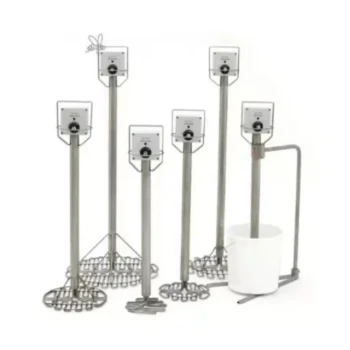
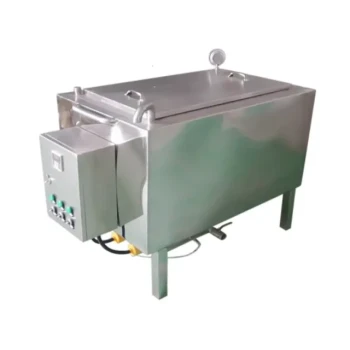
Heating equipment serves as a critical catalyst in bee feed preparation. It applies uniform thermal energy for a short duration to ensure the seamless blending of cornmeal, syrup, and protein sources like soybean extract or brewer's yeast. Beyond simple mixing, this heat alters the physical properties of the ingredients, setting the stage for successful fermentation.
Heating is not just about blending; it initiates starch gelatinization, which optimizes the texture of the supplement and enhances nutrient accessibility for the microbes essential to the fermentation process.
The Mechanics of Ingredient Integration
Achieving Uniformity
The primary function of the heating equipment is to provide consistent thermal energy. This facilitates the physical combination of dry components (cornmeal, proteins) with liquid binders (syrup).
Short-Duration Processing
The process is designed to be brief but effective. This ensures thorough mixing without subjecting the ingredients to prolonged exposure that could degrade the mixture.
The Chemical Transformation
Starch Gelatinization
Heat triggers a crucial change in the cornmeal known as starch gelatinization. This structural change breaks down the intermolecular bonds of starch molecules within the cornmeal.
Improving Texture
As a result of gelatinization, the overall texture of the feed supplement is significantly improved. This creates a cohesive mass rather than a loose mixture of dry powder and liquid.
Preparing for Biological Activity
Enhancing Microbial Access
The heating phase is a direct precursor to the fermentation stage. By altering the structure of the ingredients, heat makes the nutrients more accessible.
Facilitating Fermentation
This accessibility allows microbes to utilize the feed more efficiently. It essentially "unlocks" the energy within the cornmeal and protein additives for the biological processes that follow.
Understanding the Trade-offs
The Importance of "Short Duration"
While heat aids integration, the reference emphasizes a short duration. Excessive thermal exposure could potentially degrade the protein quality or negatively impact the sugars in the syrup.
Uniformity vs. Spot Heating
The equipment must deliver uniform energy. Inconsistent heating can lead to patches of un-gelatinized starch, resulting in a product with uneven texture and variable fermentation potential.
Optimizing Your Feed Production Process
To get the most out of your heating equipment, align your process with your specific production goals:
- If your primary focus is texture consistency: Ensure your equipment delivers uniform thermal energy to fully activate starch gelatinization across the entire batch.
- If your primary focus is fermentation efficiency: Strictly control the heating duration to break down starches for microbial access without compromising the nutritional integrity of the proteins.
Precise thermal control transforms raw ingredients into a bio-available substrate, ensuring the health and efficiency of your hive.
Summary Table:
| Process Phase | Primary Function of Heat | Key Outcome |
|---|---|---|
| Mixing | Uniform thermal energy distribution | Seamless blending of dry proteins and syrup |
| Chemical | Starch gelatinization | Structural breakdown for improved feed texture |
| Biological | Nutrient unlocking | Enhanced microbial access for efficient fermentation |
| Quality Control | Short-duration processing | Preservation of protein integrity and sugar quality |
Scale Your Bee Feed Production with HONESTBEE Professional Equipment
At HONESTBEE, we specialize in empowering commercial apiaries and distributors with the high-performance machinery needed to produce superior bee nutrition. From precise heating and mixing equipment to automated honey-filling and hive-making machines, our comprehensive wholesale portfolio is designed for industrial efficiency.
Whether you are looking to optimize your fermentation process or stock a full spectrum of beekeeping tools and consumables, our team is ready to provide the specialized hardware and cultural merchandise your business demands.
Ready to upgrade your operations? Contact HONESTBEE today for a wholesale consultation and see how our expertise can drive your success.
References
- Paulo Vítor Divino Xavier de Freitas, Carlos de Melo e Silva‐Neto. Feed supplementation in the diet of <i>Melipona rufiventris</i>. DOI: 10.1080/00218839.2020.1765483
This article is also based on technical information from HonestBee Knowledge Base .
Related Products
- Professional Stainless Steel Honey Filtering Machine with Water Bath Heating for Beekeeping
- Professional Hive Top Bee Feeder for Beekeeping
- HONESTBEE Professional Hive Top Bee Feeder Feeding Solution
- Stainless Steel Honey Bee Smoker Hive and Honeycomb Smoker for Beekeeping
- HONESTBEE Commercial Upright Honey Melter
People Also Ask
- Is it necessary to filter honey after extraction? A Guide to Straining vs. Raw Honey
- What is the best way to filter honey? A Guide to Quality, Clarity, and Raw Preservation
- Why do people filter honey? For Clarity, Stability, and Consumer Appeal
- Why is filtering honey an important step in honey processing? Ensure Purity, Clarity & Marketability
- What are the benefits of using honey filters? Achieve Purity, Efficiency, and Market Appeal