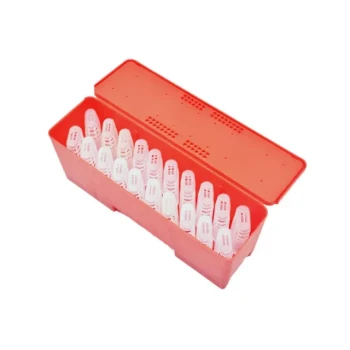
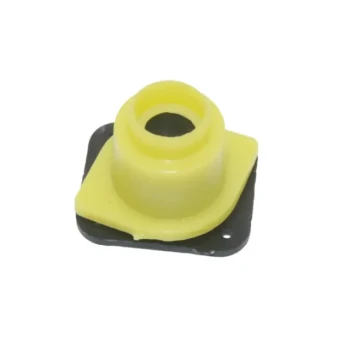
High-precision Stereolithography (SLA) 3D printing acts as the foundational manufacturing technology for honeybee egg collection systems, specifically enabling the creation of biologically accurate cell boxes. Its primary role is to deliver exceptional z-axis resolution, allowing for the fabrication of complex hexagonal units with wall thicknesses as fine as 0.67mm to effectively simulate natural honeycomb structures.
SLA printing is the technological key to bridging the gap between artificial design and natural biological function. It provides the sub-millimeter accuracy required to guide queen bees for precise egg-laying while ensuring the mechanical reliability of the system's delicate architecture.
Replicating Nature Through Micro-Precision
To create a functional egg collection system, the hardware must mimic the exact geometry of a natural hive. SLA printing is utilized specifically for its ability to handle these microscopic tolerances.
Exceptional Z-Axis Resolution
Standard manufacturing often lacks the fidelity required for bio-mimicry. SLA printing provides exceptional z-axis resolution, which is the vertical precision of the print.
This high resolution ensures that the layers of the print are virtually invisible, creating smooth surfaces that are critical for biological applications.
Achieving Critical Wall Thickness
The defining metric for these cell boxes is a wall thickness of exactly 0.67mm.
Achieving this dimension is not merely a design choice; it is a manufacturing requirement to simulate natural honeycomb. SLA printing allows for consistent production of these thin walls without the warping or errors common in lower-resolution methods.
Functional Implications for the Hive
The precision of SLA printing directly impacts the biological success of the collection system. If the geometry is incorrect, the system fails to interact properly with the colony.
Guiding Biological Behavior
The primary biological goal of the cell box is to guide queen bees to lay eggs accurately.
The queen relies on tactile cues from the honeycomb structure. By simulating natural hexagonal units with high precision, the SLA-printed box triggers the natural egg-laying instinct of the queen.
Ensuring System Durability
Despite the delicate nature of the 0.67mm walls, the system must remain robust enough to be handled.
SLA printing maintains overall structural reliability, ensuring that the thin walls possess the necessary integrity to withstand use within the hive without collapsing.
Understanding the Trade-offs
While SLA printing enables the creation of these specialized tools, it operates within strict physical constraints.
The Balance of Geometry and Strength
The system relies on a critical balance between biological mimicry and mechanical strength.
If the walls are printed thicker than 0.67mm to increase strength, the structure may lose its resemblance to natural honeycomb, potentially confusing the queen bee.
Conversely, maximizing precision to achieve the 0.67mm standard requires strict adherence to manufacturing protocols to prevent structural failure in such fine features.
Making the Right Choice for Your Goal
When implementing cell boxes for honeybee egg collection, success depends on prioritizing the right manufacturing parameters.
- If your primary focus is Biological Acceptance: Prioritize z-axis resolution to ensure the surface finish and wall thickness (0.67mm) perfectly mimic natural honeycomb, encouraging the queen to lay eggs.
- If your primary focus is System Longevity: Ensure the SLA material and print orientation are optimized to maintain structural reliability, preventing the delicate hexagonal units from fracturing during handling.
By leveraging the high-precision capabilities of SLA printing, you transform a digital design into a biologically functional tool capable of integrating seamlessly into the hive environment.
Summary Table:
| Feature | Specification | Biological/Functional Impact |
|---|---|---|
| Manufacturing Tech | High-Precision SLA | Enables sub-millimeter accuracy and smooth surface finish |
| Wall Thickness | Exactly 0.67mm | Mimics natural honeycomb to trigger queen egg-laying |
| Z-Axis Resolution | Exceptional Fidelity | Ensures invisible layers for biological tactile acceptance |
| Structure | Complex Hexagonal Units | Provides the mechanical framework for egg collection |
| Durability | Structural Reliability | Maintains integrity of delicate walls during hive handling |
Elevate Your Apiary Operations with HONESTBEE
At HONESTBEE, we specialize in bridging the gap between advanced manufacturing and professional beekeeping. Whether you are a commercial apiary seeking high-precision egg collection systems or a distributor looking for a comprehensive wholesale partner, we provide the tools you need to succeed.
Our extensive portfolio includes:
- Advanced Machinery: From high-precision hive-making tools to automated honey-filling machines.
- Specialized Equipment: SLA-engineered cell boxes and a full spectrum of durable beekeeping hardware.
- Industry Consumables: A wide array of essential supplies for large-scale operations.
- Cultural Merchandise: Unique honey-themed products to expand your market reach.
Ready to scale your production with industry-leading technology? Contact HONESTBEE Today to discuss our wholesale offerings and how our precision equipment can optimize your honeybee management.
References
- Jae Ho Lee, Si Hyeock Lee. Development of a film-assisted honeybee egg collection system (FECS). DOI: 10.1007/s13592-019-00687-8
This article is also based on technical information from HonestBee Knowledge Base .
Related Products
- Automatic Heat Preservation 6 Frame Pro Nuc Box for Honey Bee Queen Mating
- Langstroth Honey Bee Box Hive Boxes for Different Depths
- Twin Queen Styrofoam Honey Bee Nucs Mating and Breeding Box
- JZBZ Style Professional Battery Box with 20 Shipping Cages
- 5 Frame Wooden Nuc Box for Beekeeping
People Also Ask
- What are the options for adding frames to a nuc after taking two frames from the parent colony?
- How are nuc boxes used in queen rearing? The Essential Tool for Reliable Queen Mating
- What steps are involved in transferring frames from the nuc box to the hive? A Guide for a Smooth, Low-Stress Colony Move
- What is the process for managing a new bee colony started in a nuc box? Expert Tips for Hive Success
- How long can bees be kept in a nuc box? Expert Timeline for Hive Transfer