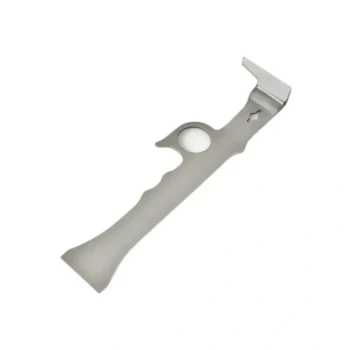
Stingless beekeeping equipment serves as a critical bridge between human communities and fragile ecosystems. By utilizing specialized hives designed for bees with vestigial stings, educators can offer safe, direct access to colony life without the risk of injury. This hardware transforms abstract environmental concepts into tangible experiences while simultaneously providing the technical means to manage pollination densities for broader biodiversity stability.
The primary role of stingless beekeeping equipment is to lower the barrier to entry for environmental stewardship. It provides a risk-free platform for public education on pesticide impact while offering the technical precision required to maintain stable, productive agricultural ecosystems.
Facilitating Safe Environmental Education
Eliminating Physical Risk
The defining feature of this equipment is its compatibility with bees that possess vestigial stings. Unlike traditional apiculture, stingless beekeeping equipment does not require heavy protective gear for the observer. This removal of physical danger creates a safe environment for students and the general public to interact closely with the hives.
Enabling Direct Observation
Specialized hives are designed to function as interactive learning platforms. They allow participants to observe colony behavior and the pollination process firsthand. This direct visual connection converts passive learning into an engaging experience, making the complex mechanics of nature accessible to non-experts in both urban and rural settings.
fostering Community Awareness
The use of this equipment serves a higher social purpose: increasing awareness regarding pesticide dangers. By interacting with the hives, communities gain a tangible understanding of pollinator vulnerability. This often acts as a catalyst, encouraging deeper community participation in biodiversity conservation efforts and sustainable practices.
Tools for Biodiversity and Ecosystem Stability
Precision Colony Management
Beyond education, specialized tools enable the scientific management of biodiversity. Equipment designed for larval grafting, colony division, and frame inspections allows personnel to intervene precisely in the hive's lifecycle. These tools are essential for maintaining the health and expansion of colonies without relying on natural, often slower, propagation methods.
Regulating Pollination Density
Effective biodiversity management requires controlling the scale of active colonies. Specialized hardware allows managers to regulate pollination colony density to match specific environmental needs. This ensures that during critical crop flowering periods, there is a sufficient population to maximize pollination efficacy.
Supporting Agricultural Ecosystems
The strategic application of this equipment directly impacts the stability of modern agricultural ecosystems. By ensuring robust pollination, the equipment supports improved seed setting rates and fruit quality. It acts as the critical hardware infrastructure necessary to sustain high-functioning, biodiverse agricultural environments.
Operational Considerations and Logistics
The Necessity of Professional Logistics
While the bees are low-risk, the operation is high-maintenance regarding transport. Professional logistics equipment is required to move complete hive sets and machinery efficiently. Without this specialized transport infrastructure, relocation costs increase, and the safety of the colonies during transit can be compromised.
Dependence on Human Intervention
It is a common misconception that "natural" beekeeping requires no interference. In reality, maintaining biodiversity requires active physical intervention. The equipment is not merely for housing bees; it is utilized for complex tasks like colony division to prevent overcrowding and ensure the continued spread of genetic diversity.
Making the Right Choice for Your Goal
To maximize the impact of stingless beekeeping equipment, align your hardware selection with your primary objective.
- If your primary focus is Environmental Education: Prioritize specialized observation hives that maximize visibility and safety to foster community engagement regarding pesticide risks.
- If your primary focus is Biodiversity Management: Invest in precision tools for larval grafting and colony division to actively regulate pollination density and support ecosystem stability.
The right equipment transforms beekeeping from a passive agricultural activity into a proactive tool for ecological preservation.
Summary Table:
| Key Role | Primary Benefit | Specific Equipment/Feature |
|---|---|---|
| Environmental Education | Safe, risk-free public engagement and pesticide awareness. | Specialized observation hives with high visibility. |
| Biodiversity Management | Precise control of pollination density and colony health. | Larval grafting tools and division hardware. |
| Ecosystem Stability | Improved seed setting rates and agricultural productivity. | Pollination management infrastructure. |
| Operational Logistics | Safe transport of colonies and maintenance of genetic diversity. | Professional logistics equipment and hive transport sets. |
Empower Your Pollination Projects with HONESTBEE
At HONESTBEE, we understand that stingless beekeeping is more than a practice—it’s a vital pillar for global biodiversity and environmental education. Whether you are a commercial apiary seeking precision machinery or a distributor looking to supply high-quality tools, we provide the comprehensive wholesale solutions you need.
From specialized hive-making and honey-filling machines to essential consumables and honey-themed cultural merchandise, our portfolio is designed to scale your impact. Let us help you provide the technical infrastructure necessary for stable, productive ecosystems.
Ready to elevate your beekeeping operations?
Contact us today to explore our full equipment catalog!
References
- Marian Yuka Shimizu, Marco Antônio Nogueira Mourão. GESTÃO AMBIENTAL COMO FERRAMENTA MITIGADORA DE IMPACTOS AMBIENTAIS PROVOCADOS POR PESTICIDAS QUE AFETAM POPULAÇÕES DA ESPÉCIE DE ABELHA SEM FERRÃO TETRAGONISCA ANGUSTULA (HYMENOPTERA: APIDAE). DOI: 10.51891/rease.v8i4.5190
This article is also based on technical information from HonestBee Knowledge Base .
Related Products
- High Performance Cordless Electric Bee Shaker for Beekeeping
- Stainless Steel Honey Bee Smoker Hive and Honeycomb Smoker for Beekeeping
- HONESTBEE Advanced Ergonomic Stainless Steel Hive Tool for Beekeeping
- Miniature Stainless Steel Bee Smoker for Beekeeping
- Professional Bee Smoker with Elongated Spout and Durable Bellows for Beekeeping
People Also Ask
- Why is the use of a bee shaker and alcohol wash necessary? Master Accurate Varroa Mite Monitoring
- What role do efficient auxiliary tools play in managing labor resources? Maximize Apiary Output & Labor Efficiency
- What should be done with the bee sample after conducting a varroa mite count with a shaker? Post-Test Care Guide
- What is an electric bee smoker? A Guide to Automated Hive Management
- What is the function of a high-performance bee smoker in commercial apiary management? Maximize Safety & Efficiency