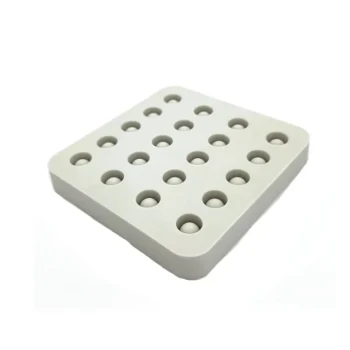
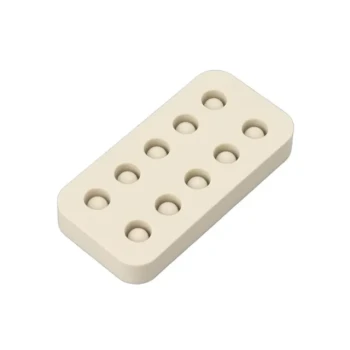
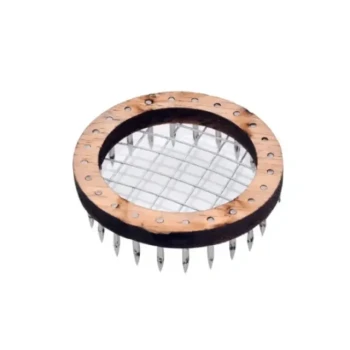
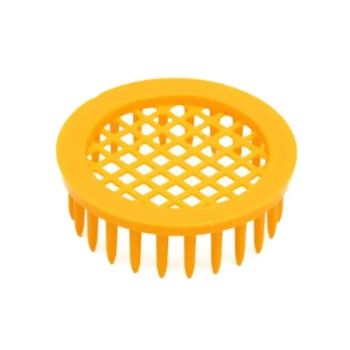
Artificial queen rearing relies on a delicate balance of precise imitation and robust protection. Artificial queen cell cups provide a standardized physical vessel that ensures consistent larval nutrition and development, mimicking the natural cell base. Queen rearing cages serve as protective isolation units, shielding vulnerable queens from worker aggression and rival queens while allowing for safe management and observation.
By standardizing the growth environment with cell cups and managing social aggression with rearing cages, these tools transform biological uncertainty into a controlled process. They allow beekeepers to scale production without sacrificing the vitality or safety of individual queens.
The Role of Artificial Queen Cell Cups
Mimicking the Natural Environment
Artificial cell cups are the foundational hardware of the rearing process. They use standardized molds to simulate the physical dimensions and shape of a natural queen cell. This consistency ensures that every larva has the exact physical space required for proper anatomical transformation.
Facilitating Nutritional Consistency
The internal volume of the cup is not arbitrary; it dictates the capacity for royal jelly storage. A properly sized cup ensures the larva is bathed in sufficient nutrition throughout its development. This direct link between cup volume and food supply is critical for determining the final vitality and quality of the virgin queen.
Enabling Scalable Production
Unlike natural hives where queen cells are scattered, artificial cups are designed for mass management. They act as carriers that can be fixed onto grafting frames in large groups. This arrangement allows for the efficient collection of royal jelly and unified observation of development stages, which is impossible with natural cell construction.
Minimizing Handling Stress
Advanced iterations, such as detachable cell cups, allow for the transfer of larvae without direct contact. Technicians can move larvae (and their bed of royal jelly) from laying devices to the rearing colony without physical disturbance. This increases the success rate of grafting by protecting the fragile larva during its most vulnerable stage.
The Role of Queen Rearing Cages
Preventing Biological Sabotage
The primary function of the rearing cage is to act as a physical barrier during the hatching period. In a natural setting, the first queen to emerge will often kill unhatched rivals, or worker bees may destroy cells they deem unnecessary. Cages isolate each cell, ensuring that every cultivated queen hatches safely without being destroyed by the colony or her "sisters."
Safe Acclimation and Transition
Cages allow for a necessary "look but don't touch" interaction between the queen and the colony. The design typically features bars or screens that allow worker bees to feed the queen and pick up her pheromones while preventing aggressive physical contact. This creates a safe transition period, crucial for introducing unrelated queens or package bees to a new hive.
Controlled Observation and Management
For breeding programs, the cage provides a controlled environment for data collection. Beekeepers can isolate queens to assess specific metrics, such as ovariole counts, or hold them safely while awaiting artificial insemination. This isolation prevents the queen from taking flight or being lost before she is fully processed.
Common Pitfalls to Avoid
While these tools are powerful, they are not foolproof. Material rejection is a common issue; if the artificial cups (often plastic) are not properly primed or smell foreign, worker bees may clean out the grafted larvae rather than feeding them.
Furthermore, over-reliance on cages for long periods can be detrimental. While cages protect the queen, they also restrict her movement and full integration into the colony's social structure. Extended confinement without proper care can affect the queen's long-term acceptance and performance.
Making the Right Choice for Your Goal
To maximize the effectiveness of these tools, align their usage with your specific production objectives:
- If your primary focus is Commercial Scale: Prioritize standardized plastic cups on grafting frames to maximize royal jelly collection and streamline the workflow.
- If your primary focus is Genetic Breeding: Rely heavily on isolation cages to protect specific bloodlines and facilitate artificial insemination without risk of loss.
- If your primary focus is High Success Rates: Use detachable cell cups to minimize larval disturbance during the critical transfer phase.
Success in queen rearing comes from using these tools to enforce order on the hive, ensuring nature cooperates with your production schedule.
Summary Table:
| Tool | Primary Role | Key Benefit |
|---|---|---|
| Artificial Queen Cell Cups | Mimic natural cell environment | Standardized larval nutrition & growth |
| Grafting Frames | Mass management carrier | Enables scalable, efficient production |
| Queen Rearing Cages | Physical isolation barrier | Prevents aggression & protects rival queens |
| Detachable Cup Systems | Low-disturbance transfer | Increases grafting success by reducing stress |
Elevate Your Queen Rearing Operations with HONESTBEE
To achieve consistent, high-vitality queens, you need equipment that mirrors biological precision. HONESTBEE specializes in supporting commercial apiaries and distributors with a comprehensive range of professional beekeeping machinery and tools.
From standardized queen rearing systems and hive-making machines to advanced honey-filling technology, we provide the hardware you need to scale your production and maintain the highest industry standards.
Ready to scale your apiary or restock your distribution inventory?
Contact us today to discuss your wholesale requirements
References
- Guillaume Kairo, Jean‐Luc Brunet. Drone exposure to the systemic insecticide Fipronil indirectly impairs queen reproductive potential. DOI: 10.1038/srep31904
This article is also based on technical information from HonestBee Knowledge Base .
Related Products
- Premium Nicot Style Cell Bar Holder and Queen Cell Cup Holder System
- Brown Nicot Queen Cell Cups for Breeding Queen Bees Beekeeping
- JZBZ Type Wide Base Plastic Queen Cell Cups for Base Mounting and Queen Rearing
- JZBZ Push-In Queen Cell Cups for Beekeeping
- High-Efficiency 20-Cell Silicone Mold for Beeswax Bee Queen Cup Production
People Also Ask
- What roles do specialized queen cell cups play in royal jelly production? Optimize Your Hive's Secretion and Yield
- What role do specialized queen rearing tools play in developing mite-resistant honeybee stock? Master Genetic Selection
- What materials are used to make artificial queen cell cups for grafting? Beeswax vs. Plastic Guide
- Why is a diluted royal jelly solution applied to queen cell cups? Boost Acceptance in Artificial Grafting
- How does the standardized depth of queen cell cups affect larval acceptance? Boost Success with 6mm Precision