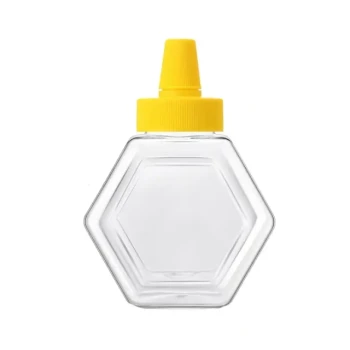
Industrial-grade plastic buckets and woven bags primarily function as protective barriers used to bridge the gap between apiary harvesting and final processing. While both are used as bulk consumables for transport, industrial plastic buckets specifically provide the hermetic seal necessary to prevent fermentation, physical contamination, and flavor loss, vastly outperforming traditional methods like clay pots.
Core Takeaway While both options are utilized in the supply chain, high-quality storage relies on the sealing capabilities of industrial-grade containers to counteract honey’s natural hygroscopic properties. Proper packaging is not just about carrying the product; it is a critical active measure to maintain chemical stability, prevent fermentation, and preserve market value.
The Role of Environmental Isolation
Prevention of Moisture Absorption
Honey is naturally hygroscopic, meaning it readily absorbs water from the air.
Industrial-grade plastic buckets create a sealed environment that cuts off contact with ambient humidity. This is the single most important factor in preventing the honey from exceeding safe moisture limits, which directly inhibits fermentation and spoilage.
Barrier Against Physical Contamination
During the transition from the apiary (often in complex outdoor environments) to the factory, raw honey is vulnerable.
Sealed containers protect the product from dust, forest debris, insects, and other environmental pollutants. This ensures the raw material remains pure before it even reaches the filtration stage.
Preservation of Volatiles and Flavor
Honey contains delicate volatile compounds that give it distinct floral aromas.
High-quality sealing prevents these aromas from escaping and stops the honey from absorbing external odors (such as fuel fumes during transport). This preserves the unique "organoleptic" profile that dictates the honey's commercial grade.
Logistics and Supply Chain Efficiency
Physical Stability During Transport
Unlike traditional clay pots or glass, industrial plastic is lightweight and shatter-resistant.
This durability is essential for preventing breakage and product loss during transport over rough terrain or long distances. Standardized container shapes also allow for secure stacking, which improves logistical efficiency and reduces the physical footprint in warehouses.
Compliance and Traceability
Modern food-grade containers are designed to meet strict safety standards.
Using standardized, food-grade materials prevents the migration of heavy metals or chemical residues into the honey. Furthermore, these uniform containers provide a consistent medium for labeling and tagging, which is a prerequisite for product traceability in high-end markets.
Understanding the Trade-offs: Buckets vs. Woven Bags
While both are mentioned as consumables in the industry, their performance profiles differ significantly.
The Limitation of Woven Bags
Woven bags are often used due to low cost or tradition, but they present significant risks regarding seal integrity.
Supplementary data indicates that unlike rigid plastic, woven bags can lead to quality degradation. Their porous nature allows for the entry of impurities and moisture if not perfectly lined. They generally lack the structural rigidity to protect honey from physical crushing or leakage during stacking.
The Superiority of Rigid Plastic
Industrial-grade buckets offer a "clean" environment that is easy to sanitize.
They provide a robust defense against oxidation and biochemical degradation. For high-value honey, the superior seal of a rigid bucket is necessary to maintain the pollen spectrum and original biochemical indicators required for laboratory analysis and premium pricing.
Making the Right Choice for Your Goal
To maximize the value of your honey harvest, select packaging based on your specific endpoint requirements:
- If your primary focus is preserving long-term shelf life: Prioritize industrial-grade plastic buckets with high-integrity seals to completely block moisture absorption and prevent fermentation.
- If your primary focus is complying with export or high-end market standards: rigorous adherence to food-grade certified containers is mandatory to avoid chemical residue issues and ensure consumer trust.
- If your primary focus is preventing financial loss during transport: Avoid woven bags in favor of standardized, stackable buckets that reduce breakage rates and optimize storage space.
Ultimately, the container is not just a vessel; it is the first line of defense in protecting the chemical and commercial integrity of the honey.
Summary Table:
| Storage Method | Seal Integrity | Moisture Protection | Physical Durability | Risk of Contamination |
|---|---|---|---|---|
| Industrial Plastic Buckets | High (Hermetic) | Superior | High (Shatter-resistant) | Low (Food-grade) |
| Woven Bags | Low (Porous) | Poor | Low (Flexible) | Moderate to High |
| Traditional Clay/Glass | Moderate | Variable | Low (Fragile) | Moderate |
Maximize Your Harvest Value with HONESTBEE
As a global leader catering to commercial apiaries and distributors, HONESTBEE provides the professional-grade tools you need to maintain product integrity from hive to market. Our comprehensive wholesale offering includes:
- High-Performance Storage: Food-grade buckets and containers designed to eliminate fermentation risks.
- Advanced Machinery: Specialized hive-making and honey-filling machines to scale your operations.
- Complete Equipment Supply: A full spectrum of beekeeping tools, industry consumables, and honey-themed cultural merchandise.
Don't let poor packaging compromise your honey's commercial grade. Partner with HONESTBEE for durable, standardized solutions that optimize logistics and ensure market compliance.
Contact Our Wholesale Team Today
References
- Sileshi Yeserah, Desalegn Begna. Physiochochemical Properties of Honey Produced in Gozamen District, East Gojjam Zone, Amhara Region. DOI: 10.7176/fsqm/94-06
This article is also based on technical information from HonestBee Knowledge Base .
Related Products
- Food Grade Plastic Honey Bucket Pail for Beekeeping
- Plastic Honey Gate Spout with Wing Nut for Beekeeping Honey Bucket
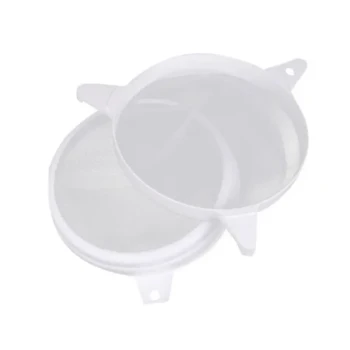
- Two-Stage Plastic Honey Filter for Buckets
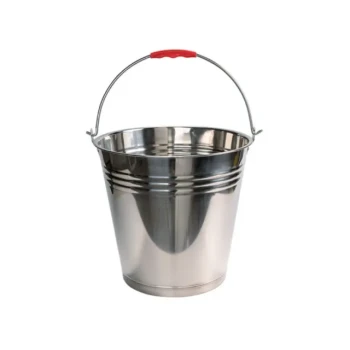
- Premium Stainless Steel Honey Tank Bucket Pail with Reinforced Handle and Polished Finish
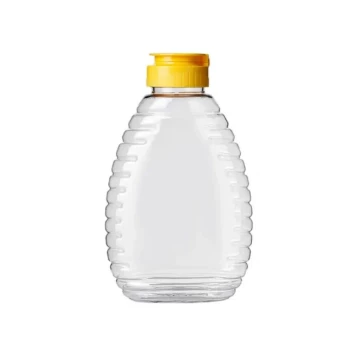
- Squeezable No-Drip Beehive-Shaped Honey Jars with Flip-Top Cap
People Also Ask
- What key operational precautions should be taken when using honey buckets and extractors fitted with bottom drain taps?
- What functions do food-grade honey buckets perform? Safeguard Your Harvest and Optimize Apiary Logistics
- Why are food-grade plastic buckets preferred for honey? Protect Quality with Modern Honey Collection Tools
- What is the significance of food-grade plastic honey collection buckets? Boost Quality in Forest Honey Logistics
- What is a honey pail? The Essential Container for Protecting Your Honey's Value