Precision tools are the backbone of accurate Varroa mite research and manual inoculation. In the direct infestation process, micro-scalpels are utilized to create minute, non-destructive incisions in freshly sealed brood cell caps, while fine brushes provide the delicate touch necessary to transfer live mites into those openings. These instruments ensure that both the host pupae and the parasites remain physically intact, preserving the integrity of experimental data.
The success of Varroa mite infestation studies depends entirely on minimizing mechanical stress; micro-scalpels and fine brushes allow researchers to bypass the brood cap without harming the fragile honeybee pupae or the mite’s delicate physiology. This precision is essential for maintaining a natural biological environment and ensuring the accuracy of subsequent resistance monitoring and efficacy testing.
The Technical Function of Micro-Scalpels
Creating Micro-Invasive Entry Points
In a laboratory setting, researchers must gain access to the interior of a sealed brood cell without compromising its structural integrity. Micro-scalpels are used to perform high-precision, minute incisions at the edge of the wax caps.
This micro-invasive approach ensures that the physical barrier of the cell is breached just enough to allow entry, but not enough to cause the cell to fail or the pupa to perish.
Protecting the Host Larvae
The primary goal of using a specialized scalpel is to exclude physical injury to the honeybee pupae as a variable in the study. By avoiding pupal damage, researchers can be certain that any changes in Varroa mite reproductive performance are due to the experimental factors being tested rather than mechanical trauma.
A standard blade is often too large or dull for this task, making high-precision surgical-grade scalpels a requirement for professional apiculture laboratories.
The Role of Fine Brushes in Mite Handling
Ensuring Non-Destructive Transfer
Varroa mites possess delicate limbs, mouthparts, and sensory organs that are highly susceptible to mechanical stress. Fine brushes, often made of natural bristles or high-grade fibers (such as size 0000), are employed to gently pick up and guide the mites.
These tools provide the soft physical contact necessary to move the mites from a donor host into the new brood cell incision without causing damage to the mite's exoskeleton.
Simulating Natural Infestation
To maintain the authenticity of behavioral experiments, the mites must enter the cell in a healthy, active physical state. Fine-bristled brushes—which are occasionally moistened—ensure that the mite’s physiological activity remains unhindered during the transfer.
This delicate handling is critical for resistance studies, as it ensures that the test subjects are not pre-stressed before they encounter the treatment or the host environment.
Strategic Value for Distributors and Wholesalers
Meeting the Demand for High-Precision Portfolios
Distributors serving the agricultural and research sectors must recognize that these tools are not generic stationery but specialized scientific instruments. Providing a comprehensive full-spectrum product portfolio that includes surgical-grade micro-scalpels and specific brush sizes (like 0000) positions a wholesaler as an expert partner.
Labs and research institutions prioritize suppliers who understand the technical nuances of parasite handling and can provide rapid response times for these niche consumables.
Expertise in Laboratory Sourcing
Partnering with a supplier that offers deep professional industry expertise allows distributors to better serve high-end research clients. When a distributor can guarantee ultra-fast delivery and efficient order fulfillment for precision tools, they become an indispensable link in the research supply chain.
This specialized knowledge facilitates "one-stop sourcing," where clients can acquire everything from diagnostic pins to high-precision tweezers and brushes in a single transaction.
Understanding the Technical Trade-offs
Precision vs. Durability
While ultra-fine natural bristle brushes offer the best protection for the mites, they are more susceptible to wear than synthetic alternatives. Wholesalers should offer both options, explaining that natural bristles are superior for delicate physiological studies, while synthetics may suffice for general diagnostic counting.
Skill Requirements and Tool Quality
Even the highest quality micro-scalpel requires a skilled hand; however, a low-quality tool will increase the failure rate regardless of the technician's skill. Using sub-standard instruments leads to higher pupal mortality and "mechanical stress" errors, which can invalidate months of research data.
Applying This Expertise to Your Inventory
Recommendations for Tool Sourcing
To provide the best value to research-focused clients, your product selection should be tailored to the specific needs of the infestation process.
- If your primary focus is high-fidelity research labs: Source size 0000 natural-bristle brushes and diamond-edged or high-carbon steel micro-scalpels to ensure maximum precision.
- If your primary focus is large-scale field diagnostics: Prioritize durable, high-precision watchmaker tweezers and fine-grafting needles that can withstand repetitive use in less controlled environments.
- If your primary focus is rapid order fulfillment: Maintain a consistent stock of "infestation kits" that combine scalpels, brushes, and moistened slides to simplify the procurement process for your customers.
By supplying the specific precision tools required for delicate brood cell work, you empower researchers to achieve the highest levels of data purity and experimental success.
Summary Table:
| Tool | Primary Research Function | Key Technical Benefit | Recommended Specification |
|---|---|---|---|
| Micro-Scalpel | Create non-destructive incisions in brood caps | Minimizes mechanical trauma to honeybee pupae | Surgical-grade or high-carbon steel |
| Fine Brush | Gentle transfer of live Varroa mites | Preserves mite limbs and sensory physiology | Size 0000 natural or high-grade fiber |
| Grafting Needle | Alternative for field-scale manipulation | Durable for repetitive diagnostic use | Stainless steel with ergonomic grip |
Scale Your Business with HONESTBEE’s Professional Sourcing
Are you a distributor or wholesaler looking to dominate the high-end apiculture research market? HONESTBEE is your strategic partner for premium trading services. We provide a comprehensive full-spectrum product portfolio, ranging from specialized lab consumables and hive-making machinery to honey-themed cultural merchandise.
Why partner with us?
- Deep Industry Expertise: We understand the technical nuances of tools like micro-scalpels and fine brushes.
- One-Stop Sourcing: Access everything from hardware to consumables in a single order.
- Rapid Fulfillment: Benefit from ultra-fast delivery and exceptional customer service to keep your inventory moving.
- Reliable Supply: High-quality OEM/ODM support tailored to your brand’s standards.
Ready to enhance your profit margins and supply reliability? Contact us today to explore our wholesale offerings!
References
- Lina Sprau, Peter Rosenkranz. Mite non‐reproduction is not a consequence of the brood removal behavior of varroa sensitive hygiene honey bee colonies (<i>Apis mellifera</i>). DOI: 10.1002/ece3.11595
This article is also based on technical information from HonestBee Knowledge Base .
Related Products
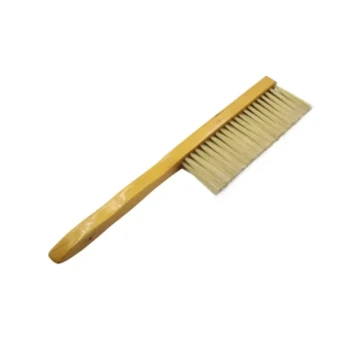
- Wooden Bee Brush with Triple Row Artificial Fiber for Beekeeping
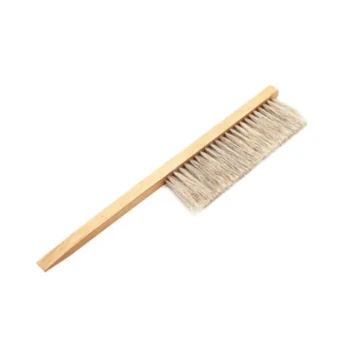
- Wooden Bee Brush with Double-Row Horsehair Bristles
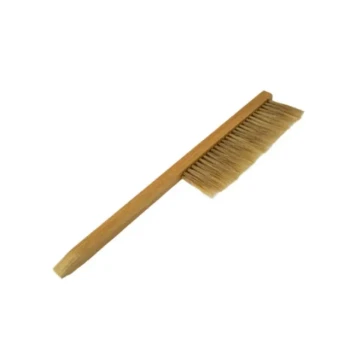
- Classic Wooden Bee Brush with Double-Row Boar Bristles
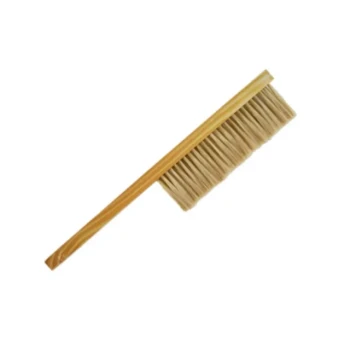
- Double Row Artificial Fiber Bee Brush for Beekeeping
- Plastic Handle Single Row Artificial Fiber Bee Brush
People Also Ask
- What is the specific function of a bee brush? Ensure Pure Harvests and Colony Welfare During Honey Extraction
- What are the key characteristics of the bristles on a bee brush? Master Gentle and Efficient Bee Removal
- What is the purpose of using a bee brush during the inspection of hive components? Safe & Precise Hive Management
- What problem does a bee brush solve? Protect Your Colony with Gentle Precision Tools
- Why is a bee brush necessary when extracting honeybee hive frames that contain larvae? Protect Your Brood and Colony