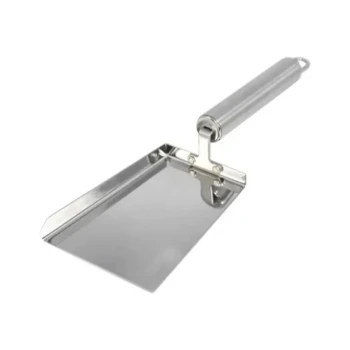
Professional pollen processing and storage equipment serves as the technological bridge required to manage the complex flowering cycles of crops like cherimoya. By utilizing specialized drying machines, fine screening tools, and low-temperature storage containers, growers ensure that collected pollen retains high germination viability for effective manual application.
Dichogamous crops require precise biological timing; specialized hardware preserves pollen potency during the critical gap between collection and application, directly increasing fertilization success and reducing fruit drop.
Overcoming the Biological Timing Gap
The Challenge of Dichogamy
Crops like cherimoya exhibit dichogamy, a biological trait where the male and female reproductive parts of the flower mature at different times.
This desynchronization makes natural self-pollination inefficient or impossible, necessitating human intervention to ensure fruit set.
Bridging the Timeline
Because the pollen is not ready when the female receptor is receptive, growers must collect pollen when it matures and store it for later use.
Processing equipment allows growers to "pause" the biological clock of the pollen, holding it in a state of suspended animation until the exact moment the female flowers are ready to receive it.
The Function of Specialized Hardware
Purification via Screening
Fine screening tools are the first line of defense in the processing chain.
They separate pure pollen from anthers and other floral debris, ensuring that only the active biological material is processed and stored.
Moisture Control
Specialized drying machines reduce the moisture content of the pollen to optimal levels.
Proper drying is essential to prevent mold growth and degradation, preparing the pollen for safe long-term preservation without killing the living cells.
Viability Preservation
Low-temperature storage containers provide the consistent, cold environment necessary to maintain high germination viability.
Without this thermal control, the pollen's potency would degrade rapidly, rendering the labor-intensive process of manual pollination ineffective.
Tangible Agricultural Outcomes
Increasing Success Rates
The primary metric for this equipment is the success rate of manual pollination.
By using high-quality hardware, growers ensure that the pollen applied by hand is actually capable of fertilizing the flower, maximizing the return on labor investment.
Reducing Fruit Drop
One of the most significant risks in cherimoya cultivation is subsequent fruit drop caused by incomplete or weak fertilization.
Using processed, high-viability pollen significantly reduces this phenomenon, ensuring that fertilized flowers develop into mature, harvestable fruit.
Understanding the Trade-offs
Labor Intensity vs. Automation
While this equipment solves the biological issue, it commits the grower to a manual pollination workflow.
Unlike crops that rely on mobile beehives for passive pollination, this approach requires active human labor to apply the stored pollen.
Dependency on Infrastructure
Success becomes heavily dependent on the reliability of the storage chain.
A failure in a low-temperature storage unit or improper calibration of a drying machine can jeopardize the entire season's pollen supply, creating a single point of failure that requires rigorous monitoring.
Making the Right Choice for Your Goal
To effectively manage difficult crops like cherimoya, you must align your equipment choices with your specific production targets.
- If your primary focus is maximizing fruit retention: Prioritize low-temperature storage solutions to maintain the highest possible germination viability, which is the key factor in preventing fruit drop.
- If your primary focus is operational efficiency: Invest in high-capacity screening and drying tools to streamline the preparation phase, allowing your team to process larger batches of pollen quickly for manual application.
Precision in pollen management turns the biological liability of dichogamy into a controlled, manageable agricultural process.
Summary Table:
| Equipment Type | Primary Function | Impact on Crop Success |
|---|---|---|
| Fine Screening Tools | Separates pure pollen from floral debris | Ensures clean material for high-density application |
| Specialized Drying Machines | Optimizes moisture content | Prevents mold growth and preserves biological potency |
| Low-Temperature Storage | Suspends biological activity | Maintains high germination viability for manual use |
| Manual Application Tools | Direct delivery to receptive flowers | Maximizes fertilization success and reduces fruit drop |
Elevate Your Apiary and Crop Management with HONESTBEE
For commercial apiaries and agricultural distributors, precision is the difference between a successful harvest and a lost season. HONESTBEE provides the professional-grade infrastructure you need to thrive. From high-capacity pollen processing equipment to specialized hardware like hive-making and honey-filling machines, our comprehensive wholesale offering covers the full spectrum of beekeeping tools and essential consumables.
Ready to scale your operations and improve your pollination outcomes? Contact us today to discover how our specialized machinery and honey-themed cultural merchandise can add value to your business.
References
- Eduardo de la Peña, J.I. Hormaza. Pollinators and pollination in subtropical fruit crops: management and implications for conservation and food-security. DOI: 10.7818/ecos.1480
This article is also based on technical information from HonestBee Knowledge Base .
Related Products
- Stainless Steel Pollen Shovel with Wooden Handle
- Heavy-Duty Ergonomic Stainless Steel Pollen Shovel
- Heavy-Duty Ergonomic Grip Galvanized Pollen Shovel
- 30 cm Plastic Entrance Hole Bee Pollen Trap and Collector
- Plastic Bee Pollen Trap Strips Comb Catcher Collector
People Also Ask
- How do bee pollen collection tools affect the quality of bee pollen used in functional dairy ice cream production?
- Why should commercial apiaries focus on the collection of diversified bee products? Maximize Your Hive’s Profit Potential
- How does a specialized pollen collector facilitate the harvesting of diverse bee products? Automate High-Value Yields
- What is the impact of pollen collectors and associated equipment on the cost structure of pollen production? Maximize ROI
- What is the technical significance of using specialized cutting tools for propolis? Master Precision Pollen Harvesting