Specialized transport vehicles and standardized logistics crates are the critical infrastructure ensuring honey maintains its quality while moving at industrial speeds. These tools perform a dual function: they isolate the product from damaging environmental factors—such as temperature spikes and mechanical vibrations—and they create a uniform system for handling that maximizes warehouse efficiency. By utilizing food-grade materials and shock-absorbing transport, these systems prevent contamination and physical degradation during the journey from apiary to processing center.
The honey supply chain relies on these tools to solve a specific paradox: moving a heavy, fragile, and chemically sensitive product at high volume. They provide the necessary physical protection to prevent spoilage while enabling the rapid inventory turnover required for wholesale trade.
Preserving Product Integrity
The primary role of this equipment is to maintain the physicochemical properties of honey against the rigors of transit.
Protection from Environmental Stressors
Honey is sensitive to its environment. Specialized transport vehicles are designed to shield the cargo from extreme temperature fluctuations, which can alter the honey's chemistry or encourage fermentation. They also dampen mechanical vibrations that can damage containers or degrade the product's texture.
Preventing Contamination
Standardized crates and containers use food-grade materials to create a hygienic barrier. This prevents chemical migration from the container to the honey. Superior sealing mechanisms protect against oxidation, moisture, and external odors, effectively isolating the product from environmental contaminants.
Hermetic Sealing and Safety
For both bulk drums and retail-ready jars, the focus is on hermetic sealing. This ensures food safety by preventing leakage and blocking the entry of bacteria or pests. This isolation is critical for maintaining the product's natural state from the remote apiary to the industrial customer.
Optimizing Logistics and Operations
Beyond protection, these tools are engineered to streamline the operational mechanics of the supply chain.
Warehouse Efficiency and Turnover
Standardized crates are designed for seamless integration with warehouse systems. Their uniform dimensions allow for organized stacking and the use of automated loading equipment. This uniformity supports the rapid turnover of inventory, a requirement for large-scale wholesale operations.
Cost Control through Durability
Industrial bulk containers are built to be pressure-resistant and stackable. This durability reduces the risk of breakage and loss during long-distance transport. By minimizing product loss and maximizing space utilization, these standardized units help control overall production costs.
Enabling Traceability
Standardized containers serve as the physical hardware for product traceability. They provide a consistent medium for labeling and identification, which is essential for meeting strict quality standards. This traceability is often a prerequisite for entering high-end markets or fulfilling contract-based production requirements.
Multi-Functional Transport
Specialized vehicles often serve a dual purpose. Beyond moving honey, they are critical for maintaining supply chain continuity by transporting beehives, heavy equipment, and feed to various nectar sources across different seasons.
Understanding the Trade-offs
While standardized systems offer efficiency, they come with specific limitations that operators must navigate.
Capital Investment vs. Efficiency
investing in specialized vehicles and food-grade, pressure-resistant containers requires significant upfront capital. While this reduces long-term loss rates, the initial cost can be a barrier for smaller operations compared to using generic transport methods.
Standardization vs. Flexibility
Standardized crates excel at logistics but offer little in terms of differentiation. Relying solely on standard industrial packaging can strip away brand identity early in the chain. Producers must balance the efficiency of standard crates with the need for distinct branding when the product enters retail channels.
Making the Right Choice for Your Goal
Selecting the right logistics equipment depends on whether you are prioritizing volume or niche quality.
- If your primary focus is Industrial Scale: Prioritize stackable, pressure-resistant bulk containers to maximize warehouse density and minimize breakage during rapid turnover.
- If your primary focus is Premium Quality: Invest in specialized vehicles with vibration and temperature control to ensure the honey arrives with its chemical structure wholly unaltered.
By aligning your logistics hardware with your operational goals, you ensure the product retains its value from the hive to the shelf.
Summary Table:
| Logistics Component | Primary Role | Key Benefits |
|---|---|---|
| Specialized Vehicles | Environmental Shielding | Controls temperature, reduces vibration, and moves heavy machinery/hives. |
| Standardized Crates | Operational Uniformity | Enhances stackability, enables automated handling, and speeds up turnover. |
| Food-Grade Containers | Product Integrity | Prevents contamination, ensures hermetic sealing, and maintains food safety. |
| Traceability Hardware | Quality Compliance | Facilitates consistent labeling and tracking for high-end market standards. |
Scale Your Honey Operations with HONESTBEE
Maximize your supply chain efficiency and protect your product's integrity with professional-grade infrastructure. HONESTBEE specializes in supporting commercial apiaries and distributors with a comprehensive wholesale portfolio.
From high-durability beehive-making and honey-filling machinery to a full spectrum of beekeeping tools and industry consumables, we provide the essential hardware needed to move honey from hive to market securely.
Ready to optimize your production and logistics? Contact our wholesale experts today to discover how our equipment and global supply capabilities can add value to your business.
References
- Тарас Дударь, Владимир Дударь. ТРЕНДЫ МЕДОВОГО БИЗНЕСА И СТРАТЕГИЧЕСКИЕ ОРИЕНТИРЫ МАРКЕТИНГОВОЙ КООПЕРАЦИИ В ПЧЕЛОВОДСТВЕ УКРАИНЫ. DOI: 10.30888/2410-6615.2020-04-03-005
This article is also based on technical information from HonestBee Knowledge Base .
Related Products
- Professional Queen Bee Introduction and Transport Cage
- Plastic Transporting Bee Packages and Nuc Boxes for Beekeeping
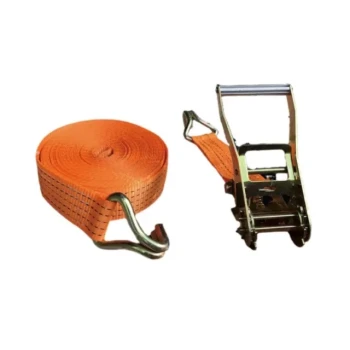
- Heavy Duty Ratchet Hive Strap
People Also Ask
- Why are specialized queen bee cages used for the banking of mated queen bees? Maximize Commercial Apiary Storage Efficiency
- What is the mechanism of action for using temporary queen bee cages? Master Successful Queen Introduction
- How is a queen bee released from a queen cage? Ensure Safe Colony Integration & Hive Success
- What materials are required to install a queen bee's cage into a hive? Essential Tools for Successful Queen Integration
- How long should a queen bee stay in the cage before being released? Ensure a Successful Introduction