Before removing any honey frames, you must inspect the entire colony's food stores, specifically focusing on the brood boxes rather than just the upper honey supers. It is critical to verify that the colony has resources stored deep within the hive, as this is the primary fuel for their survival.
Harvesting honey is not just about collecting surplus; it is an assessment of survival. If the brood boxes are empty of honey and you remove resources from the supers, the colony will likely starve.
Evaluating the Colony's Reserves
Inspecting the Brood Nest
The most critical error a beekeeper can make is assuming that full honey supers equate to a safe harvest. You must inspect the brood boxes first.
Even if the upper boxes are heavy with honey, the lower boxes where the bees live (the brood nest) might be empty. If you harvest the supers while the brood nest is dry, you remove the colony's only safety net.
The First-Year Reality
For a colony in its first year, you should adjust your expectations immediately. It is standard for a new colony to produce little or no harvestable surplus honey.
In these young hives, almost every drop of nectar gathered is needed to build the comb structure and establish a population strong enough to survive the coming winter.
Understanding the Trade-offs
The Ratio of Survival
You cannot simply take all the honey you find. A sustainable harvest typically involves extracting only about one-third of the honey present.
The remaining two-thirds must be left in the hive. This reserve acts as essential sustenance for the "family" and ensures the colony has the energy required to maintain hive temperature and rear brood.
Winter Preparedness
The harvesting inspection is functionally a pre-winter survival check. You must evaluate every frame to ensure the colony has sufficient food to last through the cold months.
If the inspection reveals that honey stores are borderline or insufficient for winter, you must forgo the harvest entirely to prevent colony collapse.
Making the Right Choice for Your Goal
Before you brush or shake the bees off a frame to take it away, determine your priority:
- If your primary focus is colony survival: Leave the honey supers in place if the deep brood boxes show any signs of low resources.
- If your primary focus is a first-year hive: Assume there is no surplus available and view any honey present as critical investment capital for the colony's future.
Always prioritize the colony's winter fuel needs over your desire for a harvest.
Summary Table:
| Inspection Factor | Focus Area | Minimum Requirement for Harvesting |
|---|---|---|
| Brood Nest Reserves | Deep Brood Boxes | Must be full of honey/nectar before touching supers. |
| Colony Age | New Hives (1st Year) | Usually 0% surplus; priority is building comb/population. |
| Harvest Ratio | Total Hive Stores | Maximum 1/3 for harvest; 2/3 must remain for the bees. |
| Winter Readiness | Every Frame | Sufficient fuel to maintain hive temperature until spring. |
Secure Your Apiary's Future with HONESTBEE
At HONESTBEE, we understand that sustainable beekeeping requires the right balance of expertise and professional-grade equipment. Whether you are a commercial apiary manager or a global distributor, we provide the tools necessary to ensure colony health and maximize productivity.
Our comprehensive wholesale range includes:
- Precision Machinery: Advanced honey-filling and hive-making machines for efficient operations.
- Professional Hardware: A full spectrum of durable beekeeping tools and equipment built for heavy-duty use.
- Essential Consumables: Every item needed to maintain thriving colonies throughout the season.
Don't let inadequate equipment or poor timing jeopardize your honey yields. Contact us today to discuss how our bulk supply solutions and industrial-strength machinery can streamline your beekeeping business and safeguard your investments.
Related Products
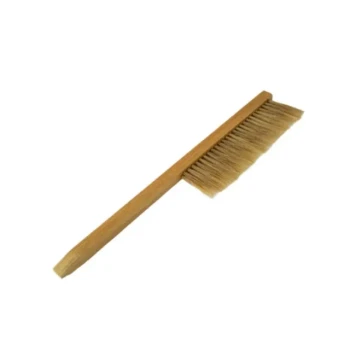
- Classic Wooden Bee Brush with Double-Row Boar Bristles
- All-Stainless Steel Pivoting Honey Uncapping Fork for Beekeeping
- Precision Honey Refractometer Instrument for Quality Assessment
- Digital Honey Refractometer for Precision Measurement of Optimal Honey Quality
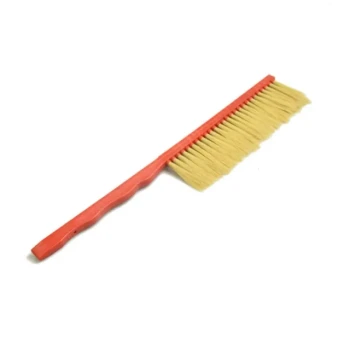
- Plastic Handle Single Row Artificial Fiber Bee Brush
People Also Ask
- What are the key features of a popular bee brush? Essential Design for Bee Safety and Hive Hygiene
- What are the key characteristics of the bristles on a bee brush? Master Gentle and Efficient Bee Removal
- What is a bee brush and what is its primary use? A Gentle Tool for Hive Management
- What is the purpose of using a bee brush during the inspection of hive components? Safe & Precise Hive Management
- What is the specific function of a bee brush? Ensure Pure Harvests and Colony Welfare During Honey Extraction