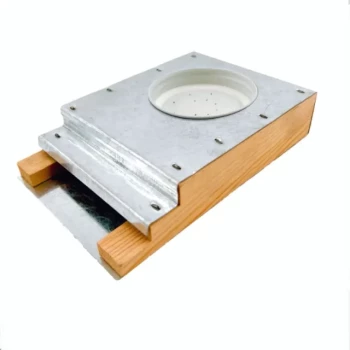
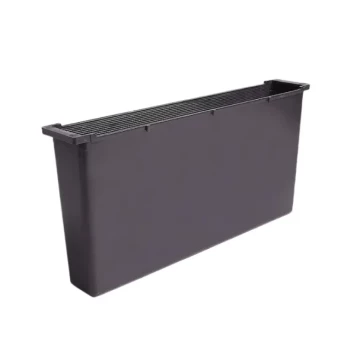
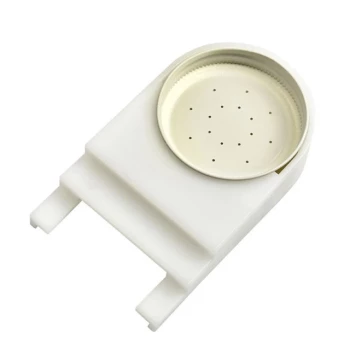
Material quality and flow control are the two critical factors that determine the safety of a bee feeder. When selecting any feeder, you must verify that it is manufactured from food-grade plastic to ensure no harmful chemicals leach into the syrup. For inverted pail feeders specifically, the unit must be purpose-built for beekeeping and feature a fine mesh covering the feeding hole to mechanically regulate the release of liquid.
Effective feeder selection is about risk mitigation; a poorly designed unit can leak syrup, which not only wastes resources but creates a "robbing" frenzy that can destroy a weaker colony.
Essential Material Standards
The Necessity of Food-Grade Plastic
Regardless of the specific style of feeder you choose, the composition of the container is paramount. You must ensure the product is made of food-grade plastic.
Using general-purpose industrial plastics can introduce contaminants into the feed. This standard ensures the syrup remains safe for consumption by the bees over long periods of storage.
Evaluating Inverted Pail Feeders
The Critical Role of Fine Mesh
When examining inverted pail feeders, look for a model that includes a high-quality fine mesh covering the access hole. This mesh is the primary mechanism that prevents the syrup from pouring out uncontrollably.
Without this specific design feature, the feeder relies solely on vacuum pressure, which is often insufficient. This leads to excessive dripping, which soils the hive and wastes expensive feed.
Minimizing Hive Disturbance
Inverted pail feeders generally offer a large capacity, often holding up to one gallon of syrup. This volume allows you to minimize the frequency of refills.
By timing refills to coincide with your regular hive inspections, you reduce the number of times you must open the hive. This limits stress on the colony and maintains the hive's internal climate.
Critical Safety Considerations
Preventing Robbing Behavior
One of the most dangerous side effects of a poor feeder is leakage. If syrup drips outside the hive or is easily accessible to outsiders, it attracts ants and bees from other colonies.
This triggers "robbing," where foreign bees attack a hive to steal resources. Inverted pail top feeders are generally superior here because the syrup is contained entirely within the hive, hidden from opportunistic pests.
Eliminating Drowning Risks
Your feeder selection must prioritize the physical safety of the bees. Designs that allow bees to access open pools of sugar water frequently lead to mass drowning events.
Inverted pail feeders and jar feeders are considered safe because the liquid is held in a vacuum or behind mesh. The bees can access the food, but they cannot enter the main reservoir where they might drown.
Common Pitfalls to Avoid
The Risk of Improvisation
A common mistake is attempting to use standard household containers rather than equipment designed for apiaries. These improper containers often lack the precise seals and mesh required to hold the vacuum pressure of heavy syrup.
Installation Errors
Even a high-quality inverted feeder can fail if installed incorrectly. If the pail is not seated perfectly level or if the mesh is damaged, gravity will overcome the vacuum, flooding the hive with syrup.
Making the Right Choice for Your Goal
Selecting the correct feeder depends on balancing the safety of the hive with the convenience of the beekeeper.
- If your primary focus is Colony Safety: Prioritize inverted pail feeders with internal containment to minimize the risk of robbing and prevent bee drowning.
- If your primary focus is Efficiency: Choose a one-gallon capacity feeder to align your feeding schedule with standard hive inspections, reducing labor.
Ultimately, the best feeder is one that delivers nutrition invisibly, without altering the behavior of the hive or attracting predators.
Summary Table:
| Feature | Inverted Pail Feeder Requirement | Benefit to the Colony |
|---|---|---|
| Material | Food-Grade Plastic | Prevents chemical leaching and contamination |
| Flow Control | Fine Mesh & Vacuum Seal | Prevents leakage and flooding of the hive |
| Capacity | One Gallon (Standard) | Reduces refill frequency and hive disturbance |
| Safety Design | Enclosed Reservoir | Eliminates drowning risk and deters robbing |
| Installation | Level Seating | Maintains vacuum pressure to stop syrup waste |
Scale Your Apiary with HONESTBEE Professional Feeding Solutions
At HONESTBEE, we specialize in supporting commercial apiaries and distributors with the highest caliber of beekeeping infrastructure. Whether you are seeking food-grade inverted pail feeders or advanced honey-filling machinery, our comprehensive wholesale portfolio is designed for durability and efficiency.
Our value to your business includes:
- Industrial Reliability: From specialized hive-making tools to precision feeding equipment.
- Commercial Grade Quality: Food-safe materials that protect colony health and honey purity.
- Full Spectrum Supply: A one-stop shop for everything from essential consumables to honey-themed cultural merchandise.
Ready to upgrade your commercial operations? Contact HONESTBEE today to discuss our wholesale offerings and customized equipment solutions.
Related Products
- Rapid Bee Feeder White Plastic 2L Round Top Feeder for 8 or 10-Frame Bee Hives
- White Plastic 0.5L Beekeeping Entrance Feeder for Bees
- HONESTBEE Entrance Bee Feeder Professional Hive Nutrition Solution for Beekeeping
- HONESTBEE Professional Entrance Bee Feeder Hive Nutrition Solution
- Boardman Entrance Bee Feeder Durable Galvanized Steel and Wood Construction for Beekeeping
People Also Ask
- What should be done with feeders and equipment after feeding bees? Essential Steps for Apiary Health
- What should be done if feed in a feeder is not consumed by the bees? Prevent Hive Mold with Prompt Feed Management
- What is the necessity of specialized internal or entrance feeders? Secure Your Hive with Professional Feeding Tools
- How do bee feeders work to preserve colony health during nectar shortages? Essential Guide for Beekeepers
- How quickly does a medium to strong colony usually empty a feeder? A Beekeeper's Guide to Hive Health