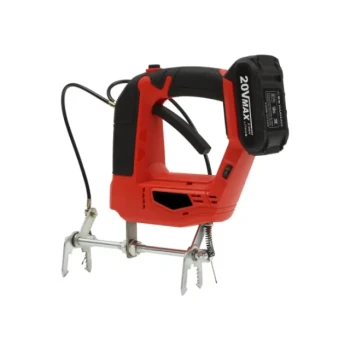
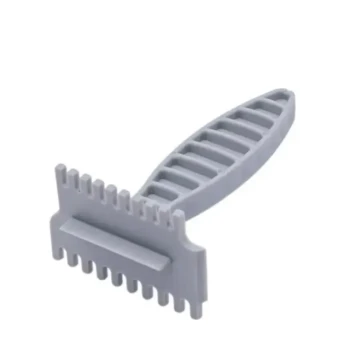
Immediately following the mite count, you must separate the biological samples from the chemical supplies to maintain your equipment. Lift the inner basket containing the bee sample out of the liquid and discard the dead bees. The remaining sampling fluid should be poured through a fine mesh strainer to catch mites and debris, allowing the liquid to be reclaimed for future use.
Proper post-test maintenance turns a consumptive process into a sustainable one. By effectively separating the biological waste from the chemical solvent, you can extend the life of your sampling fluid for multiple tests without compromising the accuracy of your results.
Managing the Biological Waste
Separating the Sample
Once the agitation and counting steps are complete, lift the inner basket out of the washing device. This basket contains the washed bees, which are now deceased.
Disposing of the Bees
The bees inside the basket must be discarded. Ensure they are fully removed from the mesh basket to prevent them from interfering with future samples.
Managing the Sampling Fluid
The Straining Process
The liquid remaining in the cup contains the Varroa mites you just counted, along with other hive debris. You must pour this used fluid through a fine mesh strainer.
Recovering the Fluid
The strainer captures the mites and debris, allowing the clean fluid to pass through. This filtered liquid can be collected and returned to your storage container or kept in the washer for the next hive.
Reusability
You do not need to use fresh fluid for every single wash. The primary reference indicates that this strained fluid can typically be reused a few times before it requires replacement.
Understanding the Trade-offs
Economy vs. Clarity
Reusing sampling fluid (isopropyl alcohol or windshield washer fluid) is economical and reduces waste. However, the fluid will eventually accumulate microscopic debris or become cloudy from bee fluids.
Knowing When to Replace
While reuse is standard practice, you must monitor the clarity of the fluid. If the liquid becomes too opaque or dirty to easily distinguish and count mites, it must be replaced to ensure diagnostic accuracy.
Making the Right Choice for Your Workflow
To maintain an efficient and accurate testing regimen, follow these guidelines based on your immediate needs:
- If your primary focus is efficiency: Reuse the strained fluid for several consecutive tests to move quickly between hives without refilling supplies.
- If your primary focus is absolute precision: Replace the fluid immediately if it becomes cloudy or if debris remains after straining, ensuring no mites are obscured during the count.
Consistently straining and assessing your fluid ensures your equipment remains ready for reliable mite monitoring.
Summary Table:
| Post-Wash Component | Required Action | Benefit/Outcome |
|---|---|---|
| Bee Samples | Discard immediately after count | Prevents contamination of future tests |
| Inner Basket | Clean of all debris and bees | Maintains equipment longevity and hygiene |
| Sampling Fluid | Strain through fine mesh | Reusability and reduction of chemical waste |
| Fluid Clarity | Monitor for cloudiness | Ensures continued diagnostic accuracy |
Scale Your Apiary Operations with Professional-Grade Equipment
Optimizing your mite monitoring is just the first step in successful honey production. At HONESTBEE, we specialize in empowering commercial apiaries and distributors with the tools needed to thrive.
Whether you require high-efficiency honey-filling machines, precision hive-making hardware, or a consistent supply of essential beekeeping consumables, we provide the comprehensive wholesale solutions your business demands. Partner with us to enhance your productivity and bring premium honey products to market with ease.
Ready to upgrade your commercial beekeeping workflow?
Contact HONESTBEE Today to discuss our full spectrum of beekeeping machinery and tools!
Related Products
- High Performance Cordless Electric Bee Shaker for Beekeeping
- Classic Wooden Bee Brush with Double-Row Boar Bristles
- Stainless Steel J Hook Hive Tool for Beekeeping
- Lightweight Durable Plastic Queen Excluder Scraper for Beekeeping
- Stainless Steel Honey Bee Smoker Hive and Honeycomb Smoker for Beekeeping
People Also Ask
- Why is the use of a bee shaker and alcohol wash necessary? Master Accurate Varroa Mite Monitoring
- What role do efficient auxiliary tools play in managing labor resources? Maximize Apiary Output & Labor Efficiency
- What should be done with the bee sample after conducting a varroa mite count with a shaker? Post-Test Care Guide
- What is an electric bee smoker? A Guide to Automated Hive Management
- What is the function of a high-performance bee smoker in commercial apiary management? Maximize Safety & Efficiency