To properly store honey frames after freezing, you must immediately move them into a sealed, moth-proof environment to prevent re-infestation. Once the frames have been frozen for at least 24 hours to kill wax moth eggs, they are "sterilized" but vulnerable to new pests if left exposed. Your priority is maintaining a physical barrier between the comb and the outside world.
Core Takeaway Freezing resets the biological clock by killing existing pest eggs, but it offers no residual protection once the frames thaw. The effectiveness of your storage relies entirely on placing these treated frames into airtight, moisture-controlled containment before they return to ambient temperatures.
Securing Frames Against Re-infestation
The "Freezer-to-Bag" Transfer
The moment frames are removed from the freezer, they should be placed into airtight bags or sealable containers. This mechanical barrier effectively locks out wax moths and small hive beetles looking to lay new eggs.
Utilizing Permanent Cold Storage
If you have the capacity, the most effective moth-proof location is the freezer itself. Keeping the frames frozen until the next nectar flow eliminates the risk of pest damage entirely.
Periodic Inspection
Even with sealed containers, you must inspect the frames periodically. Check for signs of physical damage to the bags, the presence of mold, or any evidence that pests have breached your defenses.
Managing Environmental Factors
Controlling Humidity
Moisture is the secondary enemy of stored drawn comb. Store your sealed containers in a cool, dry area to prevent moisture buildup inside the bag, which can lead to mold growth on the pollen and wax.
Temperature Consistency
While the frames do not need to remain frozen (unless chosen as your storage method), they should be kept cool. Heat accelerates the life cycle of any pests that might accidentally breach your containment and encourages wax to slump.
Understanding the Trade-offs
The "Wet Frame" Dilemma
Some beekeepers return extracted "wet" frames to the hive for cleaning prior to freezing and storage. While this allows bees to reclaim resources and creates a cleaner frame for storage, it carries specific risks.
The Risk of Robbing
As noted in your primary instructions, placing wet frames back on a hive can trigger robbing behavior from other colonies. It also attracts unwanted pests, such as yellow jackets, which can overwhelm a weaker hive.
Mold vs. Moths
Sealing frames in airtight bags protects against moths but traps moisture. If you store frames that are damp or contain uncured honey without keeping them permanently frozen, you risk significant mold growth.
Making the Right Choice for Your Goal
Storage strategies vary depending on your available space and the resources on the frames.
- If your primary focus is absolute pest prevention: Keep the frames in the freezer indefinitely until the next nectar flow begins.
- If your primary focus is space management: Freeze the frames for 24 hours, then immediately seal them in heavy-duty trash bags or tote bins in a cool, dry room.
- If your primary focus is resource efficiency: Allow the bees to clean "wet" frames first, but only if you can monitor for robbing and yellow jackets, then freeze and store.
Treat your drawn comb as a valuable biological asset that requires active defense against pests and decomposition.
Summary Table:
| Storage Method | Best For | Pros | Cons |
|---|---|---|---|
| Permanent Freezing | Absolute Pest Prevention | 100% protection from moths | High energy use & space hog |
| Sealed Tote/Bag | Space Management | Low cost, easy to organize | Risk of mold if moisture trapped |
| Bee Cleaning (Pre-storage) | Resource Efficiency | Cleaner frames, less sticky | Triggers robbing/yellow jackets |
| Cool, Dry Room | Temporary Storage | Easy access for inspection | Requires strict barrier defense |
Maximize Your Apiary Productivity with HONESTBEE
Preserving your drawn comb is vital for a successful honey season. HONESTBEE supports commercial apiaries and distributors with the professional-grade tools needed to manage every stage of honey production.
Whether you require high-capacity honey-filling machines, specialized hive-making machinery, or a reliable supply of wholesale beekeeping tools and consumables, we deliver the quality you need to scale your operations. From cultural honey merchandise to essential hardware, we are your comprehensive industry partner.
Ready to upgrade your equipment or stock your inventory? Contact us today to discuss your wholesale needs and let us help your business thrive.
Related Products
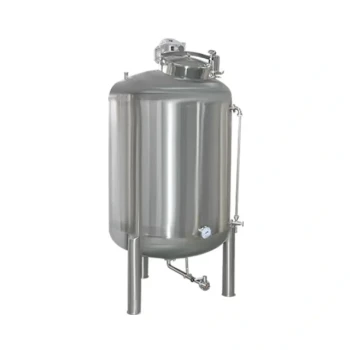
- Stainless Steel Honey Storage Tank with Lid for Honey
- Professional Honey Storage Tank with Agitation System
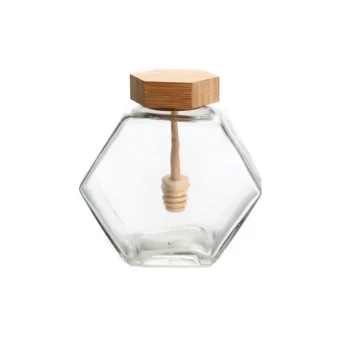
- Hexagonal Glass Honey Jar with Wooden Lid Integrated Dipper Elegant Functional Storage
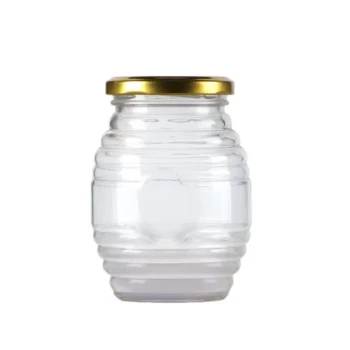
- Classic Glass Honey Jar with Metal Lug Cap for Beehive Storage
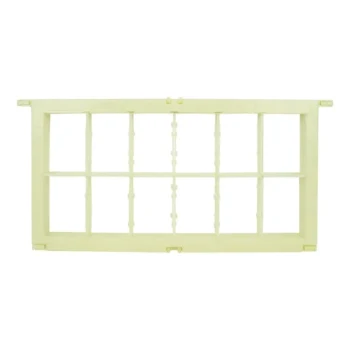
- Professional Sectional Comb Honey Frame with 250g Cassette System for Beekeeping
People Also Ask
- What economic role do honey storage tanks play? Boost Your Revenue Through Strategic Inventory Management
- What roles do industrial honey storage tanks and filtration meshes play in processing? Ensure Purity & Consistency
- What is the purpose of a honey storage tank? Streamline Your Honey Processing for Quality & Efficiency
- What are honey storage tanks used for? Essential Features for Quality Preservation and Profit
- How do large honey storage tanks and gravity fall filling systems improve honey packaging efficiency and safety?