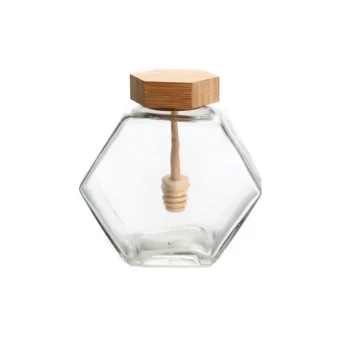
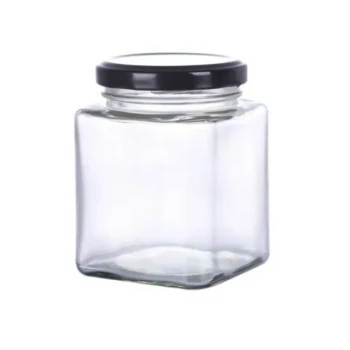
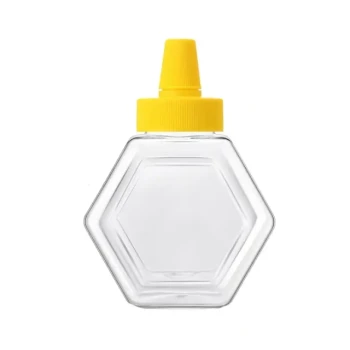
The primary sustainable packaging options for honey include traditional glass, recycled plastics, and innovative flexible pouches. Both glass and plastic offer environmental benefits through recyclability and reusability, with modern plastic options increasingly utilizing post-consumer recycled (PCR) resin to further minimize their ecological footprint.
Core Takeaway Sustainable honey packaging requires balancing environmental impact with product preservation. While glass offers infinite recyclability and PCR plastics reduce reliance on virgin materials, the packaging must fundamentally provide an airtight seal to prevent moisture absorption and fermentation.
Evaluating the Material Options
Glass: The Traditional Standard
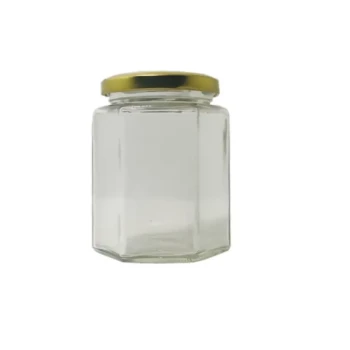
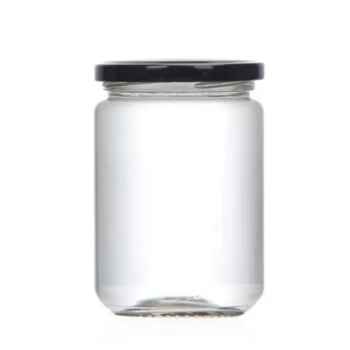
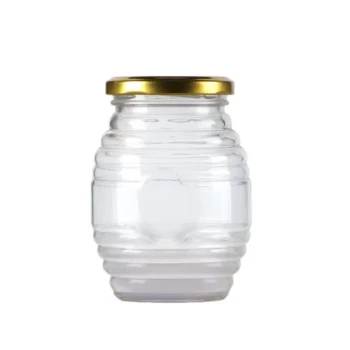
Glass remains a leading choice for sustainability because it is infinitely recyclable. It does not degrade in quality during the recycling process, allowing it to be reused repeatedly without loss of integrity.
Beyond recycling, glass jars with screw-on lids are highly durable and reusable by the consumer. This extends the lifecycle of the packaging long after the honey has been consumed.
Sustainable Plastics and PCR
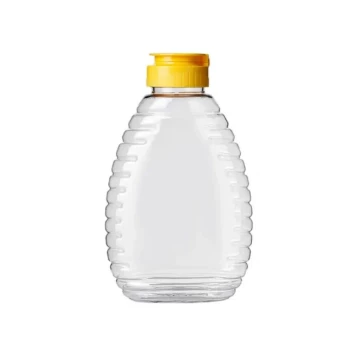
Plastic offers a lighter alternative to glass, and its sustainability profile is improving through the use of post-consumer recycled (PCR) resin. Using PCR incorporates previously used plastic into new bottles, reducing the need for virgin plastic production.
Food-grade plastic containers, such as honey bear bottles or buckets, are also recyclable in many municipal systems. Like glass, they can be cleaned and reused for storage, extending their utility.
Innovative Flexible Pouches
Newer to the market are flexible pouches, which are gaining traction as a sustainable alternative. These often generate less waste during the production process compared to rigid containers.
Many modern pouches are designed to be recyclable. Their lightweight nature also contributes to reduced material usage per unit of honey packaged.
The Intersection of Sustainability and Preservation
The Moisture Barrier Requirement
When selecting sustainable packaging, you must prioritize the integrity of the seal. Honey is hygroscopic, meaning it will absorb moisture from the air if left exposed.
If packaging allows moisture ingress, the honey can ferment, leading to spoilage and waste. Therefore, whether you choose glass, PCR plastic, or pouches, the lid or seal must be airtight to maintain the product's lifespan.
Material Safety and Grading
Sustainability claims must never compromise food safety. All packaging materials, including metal containers or infused honey jars, must be explicitly food-grade.
This ensures that no harmful chemicals leach into the honey, preserving its taste and enzymatic properties over time.
Understanding the Trade-offs
Weight and Transportation
While glass is highly recyclable, it is heavy. This results in higher transportation emissions compared to lightweight plastics or pouches.
Plastic and pouches significantly reduce the carbon footprint associated with shipping, but they may have lower recycling rates in certain regions compared to glass.
Durability vs. Fragility
Plastic and metal containers offer superior durability, making them ideal for shipping without breakage.
Glass, while chemically inert and excellent for storage, poses a higher risk of loss due to breakage during transport. This potential for waste must be factored into the total environmental impact of your supply chain.
Making the Right Choice for Your Goal
To select the best packaging, weigh your aesthetic needs against your logistical reality.
- If your primary focus is premium retail and infinite recyclability: Choose glass jars with screw-on lids, as they offer a classic look and are universally accepted in recycling streams.
- If your primary focus is reducing shipping emissions: Opt for plastic containers made with PCR resin or flexible pouches, which significantly lower package weight and transport fuel usage.
- If your primary focus is bulk storage and durability: Utilize food-grade plastic buckets or metal containers, ensuring they have well-sealing lids to prevent fermentation during long-term storage.
Ultimately, the most sustainable package is one that effectively protects the product from spoilage while aligning with your local recycling capabilities.
Summary Table:
| Packaging Material | Sustainability Feature | Key Advantage | Best For |
|---|---|---|---|
| Glass Jars | 100% Infinitely Recyclable | Premium aesthetic & inert | Retail & Brand Image |
| PCR Plastic | Uses Recycled Content | Lightweight & Durable | Reduced Shipping Costs |
| Flexible Pouches | Low Material Waste | Minimal Carbon Footprint | Modern Eco-branding |
| Metal Tins/Buckets | Long-term Reusability | Superior Protection | Bulk Storage & Transport |
Scale Your Honey Production Sustainably with HONESTBEE
At HONESTBEE, we empower commercial apiaries and distributors with the tools needed to lead the industry in sustainability. From high-efficiency honey-filling machines designed to handle glass and PCR plastics, to a comprehensive range of wholesale beekeeping equipment, we provide everything you need to package your harvest responsibly.
Whether you are looking for specialized hardware or high-quality consumables, our team is ready to help you optimize your supply chain and reduce your environmental footprint. Partner with us today to enhance your production—contact us now!
Related Products
- Automatic Single-Dose Snap & Squeeze Honey Sachets Packing Machine
- Fully Automatic Honey Filling Packaging Machine for Processing Line
- Hexagonal Glass Honey Jars with Metal Lug Caps Elegant Versatile Packaging
- Double Nozzle Small Honey Filling Machine Honey Sachet Packing Packaging Equipment
- Economy Small Honey Filling Machine Honey Bottle Filler Packaging Machine
People Also Ask
- What are the advantages of honey sachet packing machines? Boost Efficiency & Unlock New Markets
- What are the main functions of a honey sachet packing machine? Boost Efficiency with Automated Precision
- How does an industrial-grade honey sachet packaging machine assist beekeepers in accessing public institution markets?
- Why is automated packaging machinery essential for scaling industrial honey production? Drive Commercial Scalability
- How does the viscosity of honey influence packaging choices? Selecting the Best Containers & Machinery