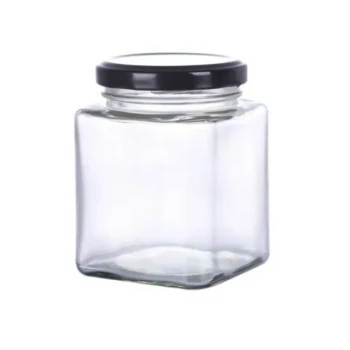
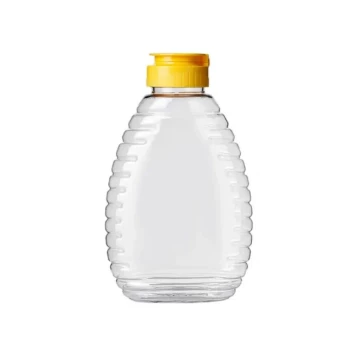
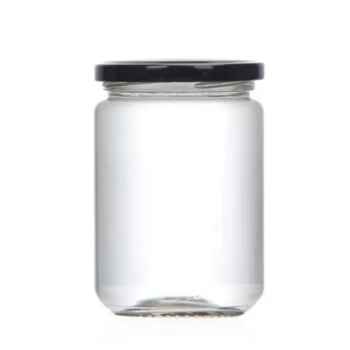
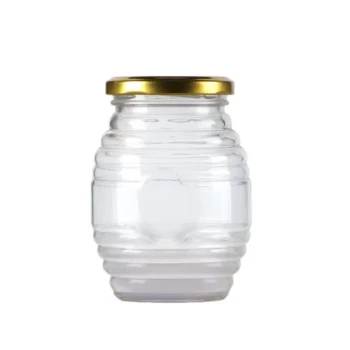
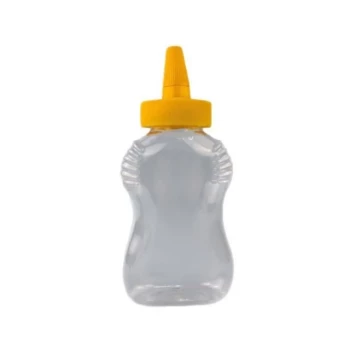
Ceramic vessels and high-transparency glass outperform standard plastic by providing superior chemical inertia and barrier properties. These materials ensure that honey’s acidic nature does not react with the container, preserving the original flavor profile and aromatic compounds while creating a hermetic seal that blocks oxygen to slow down oxidative browning.
The core technical advantage lies in the neutrality and density of the material. Unlike plastic, which can be permeable and reactive, glass and ceramic create an impermeable vault that locks in flavor and biological activity while locking out moisture and contaminants.
Preserving Chemical Integrity
Unmatched Chemical Inertia
Honey contains acidic substances and delicate aromatic compounds. Ceramic and glass are chemically inert, meaning they do not react with these acids.
This prevents the container from altering the flavor profile over time, ensuring the honey tastes exactly as it did at harvest.
Preventing Chemical Migration
Standard plastics, particularly lower grades, carry the risk of leaching plasticizers or other contaminants into the food product.
Glass utilizes a dense molecular structure that prevents this migration completely. This ensures safety and maintains the honey's purity, meeting the strict requirements of the high-end retail market.
Maintaining Biological Activity
Honey is often valued for its therapeutic properties, such as antibacterial activity derived from components like hydrogen peroxide.
Glass packaging is superior in maintaining the biological activity of these unstable components. Plastic alternatives may allow interactions that degrade these properties, reducing the honey's efficacy as a natural medicine.
The Barrier Against the Atmosphere
Blocking Oxygen Entry
Exposure to oxygen triggers oxidative browning, which darkens the honey and degrades its quality.
Ceramic and glass provide excellent barrier properties that effectively block oxygen entry. This significantly slows the oxidation process, extending the product's shelf life and visual appeal.
Preventing Fermentation
Honey is hygroscopic, meaning it naturally attracts and absorbs moisture from the air. If the water content rises too high, the honey will ferment and spoil.
Glass jars and ceramic vessels offer superior airtightness compared to standard plastic. This seal prevents atmospheric moisture intrusion, stabilizing the honey's physical chemistry and preventing fermentation.
The Role of Visual Inspection
Note: This section applies specifically to high-transparency glass.
Quality Signaling
High-transparency glass acts as a quality signal to the consumer.
It allows for immediate visual inspection of the honey's color, viscosity, and crystallization state. This transparency is essential for building consumer trust and positioning the product in the premium market.
Understanding the Trade-offs
While glass and ceramic offer superior storage chemistry, they introduce logistical challenges compared to plastic.
Fragility vs. Impact Resistance
Glass and ceramic are brittle and prone to breakage during transport, especially in rugged terrain.
Industrial-grade plastic containers are lightweight and impact-resistant. For bulk transport where aesthetic presentation and long-term shelf stability are secondary to logistics, high-quality plastic remains a functional choice.
Making the Right Choice for Your Goal
To select the best packaging, you must align the material's technical properties with your distribution strategy.
- If your primary focus is Premium Retail and Gifting: Choose high-transparency glass or ceramic to maximize shelf life, preserve aromatic profiles, and justify a higher price point through superior presentation.
- If your primary focus is Medicinal/Therapeutic Grade: Select glass containers to ensure a chemically inert environment that preserves unstable antibacterial components and prevents plasticizer leaching.
- If your primary focus is Bulk Transport: Utilize industrial-grade plastic to prioritize impact resistance and weight reduction, provided the storage duration is short enough to mitigate oxidation risks.
Ultimately, for long-term storage and consumer sales, glass and ceramic provide the chemical stability required to honor the complexity of the honey.
Summary Table:
| Feature | Glass/Ceramic Vessels | Standard Plastic Packaging |
|---|---|---|
| Chemical Inertia | High (No reaction with acids) | Low (Potential for leaching) |
| Oxygen Barrier | Superior (Prevents oxidation) | Permeable (Faster browning) |
| Moisture Control | Excellent (Prevents fermentation) | Variable (Risk of moisture intake) |
| Flavor Preservation | Locks in aromatic compounds | May absorb or alter scents |
| Primary Use Case | Premium retail & medicinal honey | Bulk logistics & short-term transport |
Elevate your honey brand and ensure product integrity with the right storage solutions. HONESTBEE specializes in supporting commercial apiaries and distributors by providing the industry's most comprehensive range of beekeeping tools, honey-processing machinery, and premium packaging options. From high-precision honey-filling machines to cultural honey merchandise, we help you scale your operations and meet premium market standards. Contact us today to optimize your production line and wholesale supply!
References
- Usif Abulfat Humbatov. IMPROVING THE DELIVERY AND MARKETING OF BEEKEEPING PRODUCTS TO CONSUMERS. DOI: 10.15863/tas.2015.09.29.12
This article is also based on technical information from HonestBee Knowledge Base .
Related Products
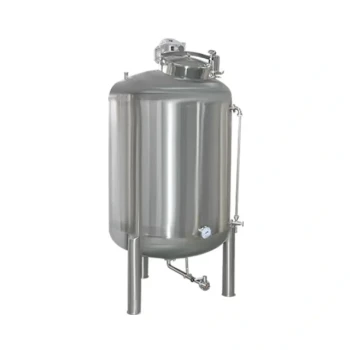
- Stainless Steel Honey Storage Tank with Lid for Honey
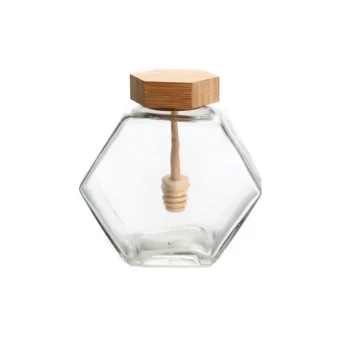
- Hexagonal Glass Honey Jar with Wooden Lid Integrated Dipper Elegant Functional Storage
- Stainless Steel Honey Storage and Settling Tank with Double Strainer
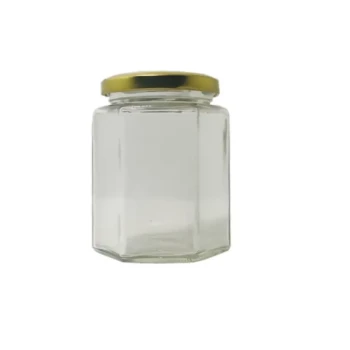
- Hexagonal Glass Honey Jars with Metal Lug Caps Elegant Versatile Packaging
- Professional Honey Storage Tank with Agitation System
People Also Ask
- What economic role do honey storage tanks play? Boost Your Revenue Through Strategic Inventory Management
- What roles do industrial honey storage tanks and filtration meshes play in processing? Ensure Purity & Consistency
- What is the purpose of a honey storage tank? Streamline Your Honey Processing for Quality & Efficiency
- What are honey storage tanks used for? Essential Features for Quality Preservation and Profit
- How do large honey storage tanks and gravity fall filling systems improve honey packaging efficiency and safety?