Standardized honey production frameworks guide the project design phase by establishing a methodology rooted in technical transparency, stakeholder participation, and quality accountability. Instead of generic planning, these frameworks utilize diagnostic tools to pinpoint the specific needs of honey producers while simultaneously enforcing strict responsibility requirements for equipment providers.
The core value of these frameworks is the shift from top-down assumptions to a "bottom-up" design strategy, ensuring that infrastructure is technically sound and directly responsive to the producer's operational reality.
The Core Principles of Design
Technical Transparency
A standardized framework removes ambiguity from the planning process. By mandating technical transparency, the framework ensures that every design decision is visible, justified, and understood by all parties involved.
Stakeholder Participation
Successful design cannot occur in isolation. These frameworks explicitly require stakeholder participation, ensuring that the voices of those who will actually operate the apiaries are integrated into the foundational plan.
Quality Accountability
The methodology embeds quality control directly into the design phase rather than treating it as an afterthought. It establishes a culture of quality accountability, ensuring that the resulting infrastructure meets rigorous technical standards.
Operational Tools for the Design Phase
Utilizing Diagnostic Tools
To prevent mismatched infrastructure, these frameworks provide specific diagnostic tools. These tools are used early in the design phase to identify the unique requirements and constraints of the honey producers.
Strengthening Provider Responsibility
The framework changes the dynamic between the project and its vendors. It explicitly strengthens the responsibility of equipment providers, ensuring they deliver solutions that meet the specific needs identified by the diagnostic tools.
Understanding the Trade-offs
The "Bottom-Up" Investment
Adopting this rigorous methodology requires a "bottom-up" approach to development. This often demands more time and effort during the initial planning stages compared to buying off-the-shelf solutions.
Complexity vs. Customization
While this process guarantees high-quality infrastructure, the reliance on detailed diagnostics and stakeholder input can introduce complexity. Project managers must be prepared to navigate diverse feedback to reach a cohesive technical design.
Making the Right Choice for Your Goal
To determine how strictly to apply these frameworks, consider your immediate project objectives:
- If your primary focus is long-term operational stability: Use the diagnostic tools extensively to ensure the infrastructure perfectly matches producer needs.
- If your primary focus is vendor management: Leverage the framework's accountability principles to draft stricter contracts with equipment providers.
By embedding these principles early, you ensure your commercial apiary is built on a foundation of technical reality rather than assumption.
Summary Table:
| Design Pillar | Key Technical Guidance | Primary Benefit |
|---|---|---|
| Technical Transparency | Documented, visible decision-making processes | Eliminates planning ambiguity |
| Stakeholder Participation | Integration of operator feedback into foundational plans | Ensures operational relevance |
| Diagnostic Tools | Early-stage assessment of producer-specific needs | Prevents infrastructure mismatch |
| Quality Accountability | Strict responsibility requirements for equipment providers | Guarantees high technical standards |
| Bottom-Up Strategy | Shift from assumptions to producer-driven reality | Long-term operational stability |
Scale Your Beekeeping Operations with HONESTBEE
Transitioning from generic planning to a standardized, high-performance honey production facility requires the right technical partner. HONESTBEE specializes in supporting commercial apiaries and distributors with a comprehensive wholesale portfolio designed to meet rigorous industry standards.
Whether you need precision honey-filling machines, specialized hive-making hardware, or a reliable supply of essential industry consumables, we provide the tools and expertise to ensure your infrastructure is built for long-term stability. Our wide array of products—ranging from heavy machinery to honey-themed cultural merchandise—enables you to deliver superior value to your clients and honey producers.
Ready to elevate your project design? Contact us today to access our full spectrum of beekeeping equipment and professional wholesale solutions.
References
- Adel Mohammad Almutlaq, Abdulmalek Naji Alsanhani. Adoption of Sustainable Beekeeping Practices Among Rural Women in Hail Region, Kingdom of Saudi Arabia: Implications for Agricultural Extension. DOI: 10.3390/su17094186
This article is also based on technical information from HonestBee Knowledge Base .
Related Products
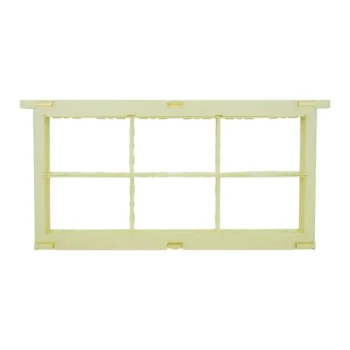
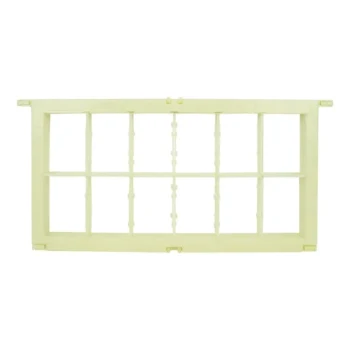
- Professional 500g Sectional Comb Honey Frame System for Beekeeping
- Professional Sectional Comb Honey Frame with 250g Cassette System for Beekeeping
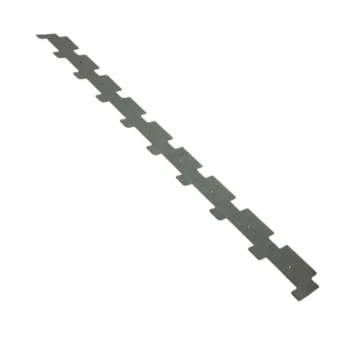
- Heavy Duty Castellated Iron Frame Spacer for Honey Supers
- Heart-Shaped Comb Honey Frame and Honeycomb Cassette
- Plastic Honey Comb Frames Cassette Box for Honey
People Also Ask
- How are honeybee combs utilized for non-destructive colony monitoring? Master Population Density Tracking
- What frame to use for honeycomb? Choose the Right System for Pure, Edible Comb
- What is a honeycomb frame? The Key to Modern, Sustainable Beekeeping
- What is the technical purpose of exchanging honeycomb frames? Master Apiary Equalization for Growth
- What is the significance of sampling honeycomb frames and hive bottoms? A Guide to Scientific Sanitation Monitoring