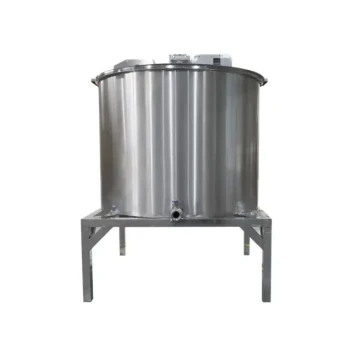
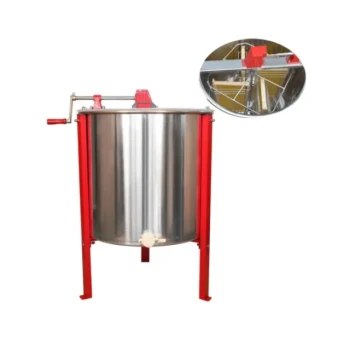
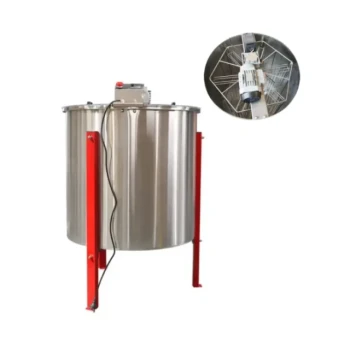
The specific solvents required for extracting phytochemicals from bee products dictate the material composition and functional design of your equipment. Because compounds like phenolics and carotenoids vary significantly in polarity, effective extraction often demands solvents such as ethanol, methanol, or acetone. Consequently, your equipment must be engineered with high corrosion resistance and advanced sealing mechanisms to handle these chemicals safely and effectively.
Successful extraction of bee products requires hardware that combines chemical resilience with precise thermal control. Equipment must resist solvent corrosion and leakage while utilizing vacuum systems to recover solvents at low temperatures, preserving the biological activity of heat-sensitive nutrients.
Material Compatibility and Safety
Resisting Solvent Corrosion
The polarity of target compounds in bee products often necessitates the use of aggressive organic solvents like methanol, ethanol, or acetone.
Standard materials may degrade when exposed to these chemicals over time. Therefore, your extraction vessels and piping must be constructed from materials featuring high resistance to solvent corrosion to maintain structural integrity and prevent product contamination.
Ensuring Hermetic Sealing
Organic solvents are often volatile and hazardous if released into the working environment.
To mitigate this risk, extraction equipment requires excellent sealing capabilities. A hermetically sealed system prevents the financial loss of expensive solvents and protects the environment and operators from harmful vapors.
Thermal Control and Solvent Recovery
Protecting Heat-Sensitive Nutrients
Bee products contain valuable nutrients that are easily degraded by high heat.
To extract these compounds without destroying them, your system should utilize efficient reflux condensers. This allows the solvent to cycle continuously through the biomass, maximizing extraction efficiency without excessive thermal stress.
Vacuum Evaporation for Low-Temperature Recovery
Removing the solvent after extraction presents a critical risk of thermal degradation.
Technical requirements include the integration of vacuum evaporation units. By lowering the pressure, these units allow solvents to boil off and be recovered at much lower temperatures, ensuring the final phytochemical concentrate remains potent and undamaged.
Understanding the Trade-offs
Equipment Complexity vs. Nutrient Quality
Implementing these technical requirements introduces a higher level of complexity to your processing line.
While simple open-vessel extraction is cheaper, it lacks the ability to recover solvents efficiently or protect thermolabile compounds.
Investments in vacuum units and corrosion-resistant seals increase upfront costs but are necessary to ensure a high-quality, standardized end product. Omitting these features often results in nutrient degradation and higher long-term operational costs due to solvent loss.
Making the Right Choice for Your Goal
When configuring your extraction line for bee products, weigh your technical needs against your product goals:
- If your primary focus is Nutrient Preservation: Prioritize systems with robust vacuum evaporation units to keep processing temperatures as low as possible.
- If your primary focus is Operational Safety: Ensure your equipment specifications list high solvent corrosion resistance and verified sealing ratings to manage volatile chemicals like acetone.
Aligning your equipment's technical capabilities with the chemical properties of your solvent is the single most important factor in securing a safe, efficient, and high-yield extraction process.
Summary Table:
| Technical Requirement | Equipment Feature | Impact on Extraction Quality |
|---|---|---|
| Corrosion Resistance | 316L Stainless Steel/Specialty Polymers | Prevents contamination and equipment degradation from aggressive solvents. |
| Airtight Sealing | Hermetic Seals & Gaskets | Minimizes solvent loss and ensures operator safety from volatile vapors. |
| Thermal Sensitivity | Efficient Reflux Condensers | Maximizes extraction yield while protecting heat-sensitive phytochemicals. |
| Solvent Recovery | Vacuum Evaporation Units | Allows for low-temperature boiling to preserve the potency of nutrients. |
Elevate Your Bee Product Processing with HONESTBEE
Are you looking to scale your production with professional-grade extraction technology? HONESTBEE specializes in supporting commercial apiaries and distributors with high-performance beekeeping tools and industrial machinery. Whether you need specialized hardware like honey-filling machines, custom hive-making equipment, or advanced extraction systems designed to handle complex solvents, we provide the expertise and hardware to ensure your success.
Partner with HONESTBEE to secure a high-yield, safe, and efficient production line.
Contact our team today to discuss your equipment needs!
References
- Volkan Aylanç, Miguel Vilas‐Boas. From the hive to the table: Nutrition value, digestibility and bioavailability of the dietary phytochemicals present in the bee pollen and bee bread. DOI: 10.1016/j.tifs.2021.01.042
This article is also based on technical information from HonestBee Knowledge Base .
Related Products
- HONESTBEE 2 Frame Manual Acrylic Honey Extractor Beekeeping Equipment
- HONESTBEE 3-Frame Manual Acrylic Honey Extractor
- Manual Hand Crank 4 Frame Honey Extractor Centrifuge for Beekeeping
- Stainless Steel 3 Frame Manual Honey Extractor Spinner for Bee Honey Extraction
- Plastic Hand Crank 2 Frame Honey Extractor Low Price
People Also Ask
- How do you manually extract honey? Choose the Best Method for Your Hive
- Which type of honey extractor is generally more durable? Focus on Material & Build Quality for Longevity
- What are the disadvantages of a manual honey extractor? Overcome Efficiency Bottlenecks in Your Apiary
- Why are manual extractors popular among beginner beekeepers? A Guide to Starting Simple & Saving Money
- What is a manual honey extractor? The Essential Guide to Cost-Effective Beekeeping for Beginners