To encourage bees to cross a queen excluder, you must effectively "bait" the upper box using familiar resources. The most reliable technique is moving a frame containing brood into the honey super to draw nurse bees upward. Alternatively, providing drawn comb rather than bare foundation reduces the barrier to entry, or you can delay installing the excluder until the bees have already begun working in the new box.
The Core Insight A queen excluder should act as a sieve, not a ceiling. Bees generally refuse to cross the excluder not because of the physical barrier, but because the colony lacks the population pressure or nectar resources to justify expanding; without a "flow" or a crowded brood nest, mechanical incentives will likely fail.
Strategies to "Bait" the Super
The Brood Transfer Method
This is widely considered the most effective technique for overcoming excluder hesitation.
Select a frame or two of capped brood from the main brood chamber. Move these frames into the center of the honey super placed above the queen excluder.
This action forces nurse bees to pass through the excluder to care for the developing larvae. Their presence creates a vertical bridge of activity, encouraging foragers to store nectar in the adjacent frames.
Utilizing Drawn Comb
Bees are naturally reluctant to draw out fresh wax on bare foundation, especially when separated from the main cluster by an excluder.
Whenever possible, fill your supers with already drawn comb. The availability of ready-to-use storage space is a strong incentive for bees to move upward immediately.
If you only have foundation, the bees will require a much stronger nectar flow and higher population density to be motivated to build across the barrier.
The "Delayed Excluder" Technique
If you are starting with fresh foundation and the bees are ignoring the super, remove the barrier temporarily.
Place the box of foundation directly on top of the brood nest without the queen excluder. Allow the bees free access to the new space until they have drawn out the comb and started working the frames.
Once activity is established, locate the queen to ensure she is in the bottom box. Then, insert the excluder between the brood box and the now-active super.
The Prerequisites for Success
Colony Strength is Non-Negotiable
Techniques to encourage movement will fail if the underlying biology implies the hive isn't ready.
A colony will not expand into a super if the brood box is not currently overflowing with bees. Ensure the bottom box is completely full of drawn frames and possesses a high population density before adding vertical space.
The Necessity of Nectar Flow
Expansion is energy-expensive. Bees require a significant intake of resources to produce the wax needed for new supers.
If there is no significant nectar flow, bees will conserve heat and energy by staying in the brood nest. Attempting to force expansion during a dearth (resource shortage) is usually futile.
Common Pitfalls and Trade-offs
The Risk of Queen Displacement
When moving brood frames into the super, you run the risk of accidentally moving the queen along with them.
If the queen is moved above the excluder, she will lay eggs in the honey super, defeating the purpose of the device. Always inspect the "bait" frames thoroughly to ensure the queen is left below.
Timing and Temperature
Adding supers too early in the season—specifically before late spring—can be detrimental.
Expanding the hive volume when nights are still cold can chill the brood, as the heat rises into the empty super. Wait until spring mite treatments are finished and the weather is consistently warm (typically May).
Making the Right Choice for Your Goal
To select the best approach for your specific situation, consider these guidelines:
- If your primary focus is speed: Utilize drawn comb and the brood transfer method simultaneously to establish immediate vertical movement.
- If your primary focus is drawing new wax: Use the delayed excluder technique to remove the barrier until the bees have built out the foundation.
- If your primary focus is colony health: Verify the brood box is packed with bees and a nectar flow is active before adding any equipment.
Success relies on convincing the bees that the space above the excluder is an essential extension of their nest, not a separate territory.
Summary Table:
| Method | Primary Action | Best For | Requirement |
|---|---|---|---|
| Brood Transfer | Move capped brood to super | Rapid engagement | Strong nurse bee population |
| Drawn Comb | Use pre-built wax frames | Maximizing storage | Existing comb inventory |
| Delayed Excluder | Add excluder after activity | Drawing new foundation | Active nectar flow |
| Population Check | Ensure bottom box is full | Colony readiness | High bee density |
Scaling Your Apiary Operations with HONESTBEE
Transitioning bees to honey supers is just one part of a successful harvest. At HONESTBEE, we specialize in supporting commercial apiaries and distributors with high-capacity equipment and professional-grade supplies.
How we add value to your business:
- High-Efficiency Machinery: From industrial honey-filling machines to automated hive-making equipment.
- Wholesale Beekeeping Tools: Comprehensive inventory of queen excluders, smokers, and protective gear.
- Bulk Consumables: Essential supplies available at competitive wholesale pricing to keep your operation running smoothly.
- Global Distribution: Reliable sourcing for honey-themed cultural merchandise and specialized hardware.
Ready to enhance your production capacity? Contact HONESTBEE today to discuss our wholesale offerings and customized machinery solutions.
Related Products
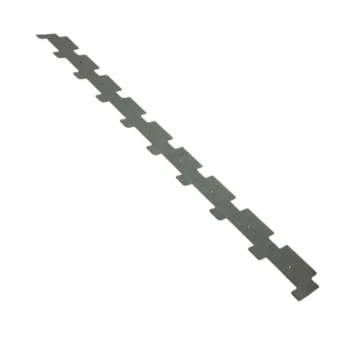
- Heavy Duty Castellated Iron Frame Spacer for Honey Supers
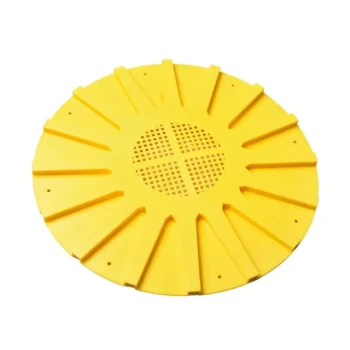
- Durable 16 Way Circular Bee Escape for Efficient Honey Harvesting
- High-Efficiency Diamond Maze Bee Escape for Clearing Supers
- Honey Concentrating Vacuum Heating Thickening Machine Dehumidifier for Honey
- Economy Small Scale Honey Dryer Dehumidifier Thickening Machine
People Also Ask
- What are honey super frames and what foundation options are available? Choose the Best Support for Your Bees
- What are the reasons and drawbacks of using nine frames in a ten-frame honey super? Boost Extraction Speed Today
- What are honey super frames and how many are needed per box? A Beekeeper's Essential Guide
- What are honey super frames and their foundation options? Choose the Best Support for Your Hive's Honey Production
- Why might a beekeeper use fewer than the standard number of frames in a honey super? Boost Extraction Efficiency