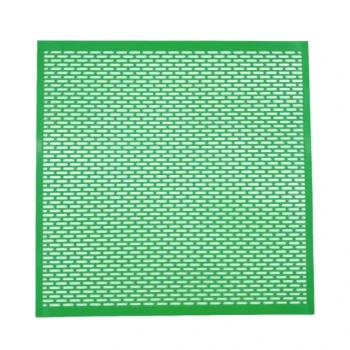
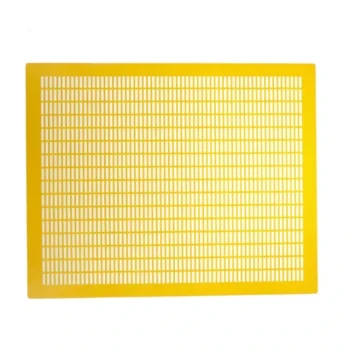
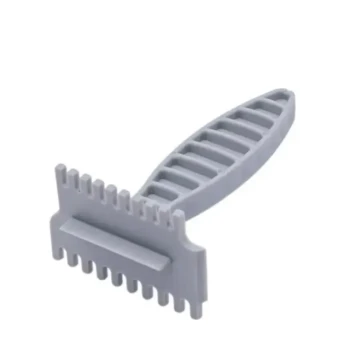
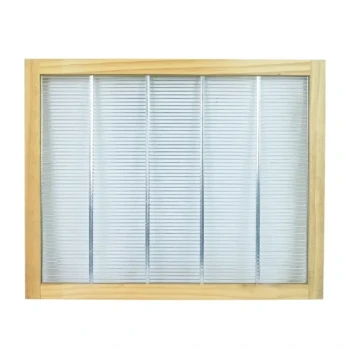
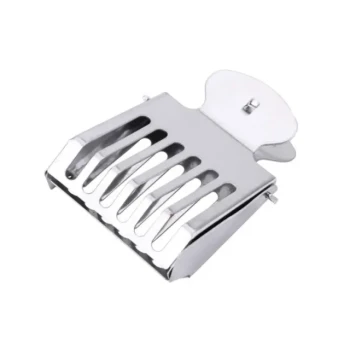
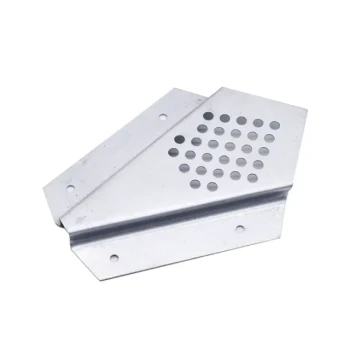
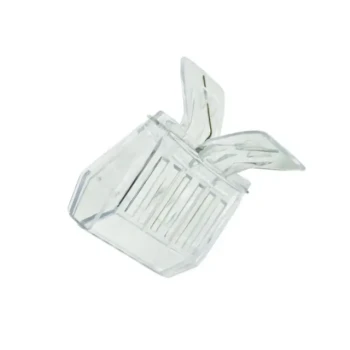
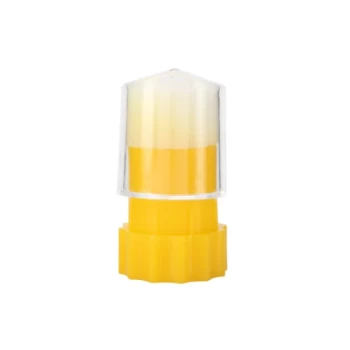
The primary function of a Queen Excluder is to serve as a precise physical barrier that restricts the queen bee to the brood chamber. By effectively confining the queen to the lower levels of the hive, the device prevents her from laying eggs in the upper honey supers. This ensures that the combs intended for harvest are used exclusively for honey storage, keeping them free of brood and larvae.
By enforcing a strict separation between the colony's nursery and its food stores, the Queen Excluder prevents the contamination of honey with biological debris during harvest, significantly enhancing the purity and market grade of the final product.
The Mechanics of Separation
Targeted Restriction
The excluder operates on a simple physical principle: size differentiation. It utilizes specific gap dimensions that are large enough for worker bees but too narrow for the larger queen bee to pass through.
This design effectively confines the queen's egg-laying activities to a specific area, such as the bottom brood box or a designated observation frame.
Worker Accessibility
While the queen is restricted, the rest of the colony remains mobile. The design allows worker bees to pass freely through the entire hive.
This permits workers to transport nectar to the upper supers, share food, and maintain necessary social interactions without interruption.
The Impact on Harvest Quality
Eliminating Brood Contamination
The most significant threat to honey purity during extraction is the presence of brood (eggs and larvae).
If a queen lays eggs in the honey supers, the harvesting process—specifically spinning frames in an extractor—would inevitably mix larvae and brood fluids into the honey. The excluder acts as a prerequisite tool to ensure the upper combs contain only raw honey.
Controlling Pollen Density
Beyond excluding brood, this tool assists in managing the location of other hive resources.
It ensures that "bee bread" (stored pollen) is largely kept in the brood nest where it is needed for rearing larvae. This allows for precise control over pollen density in the honey supers, resulting in a clearer, purer liquid product.
Understanding the Trade-offs
Mechanical Limitations
While generally effective, the physical barrier is not biologically foolproof.
In specific scenarios, such as when a colony prepares to swarm, a queen may "slim down" physically. In this reduced state, she may potentially squeeze through the gaps of the excluder, bypassing the intended restriction.
Misapplication of Purpose
It is important to distinguish between using an excluder for purity versus swarm control.
Some beekeepers place excluders between the bottom board and the brood box to physically trap the queen and prevent swarming. While this restricts the queen, it is a swarm management tactic and does not contribute to the purity of the honey in the supers.
Making the Right Choice for Your Goal
To maximize the utility of a Queen Excluder, you must align its placement with your specific management objective.
- If your primary focus is High-Grade Honey Production: Place the excluder directly above the brood chamber to guarantee that harvestable frames remain free of larvae and excess pollen.
- If your primary focus is Swarm Prevention: Place the excluder between the bottom board and the lowest brood box to trap the queen, though be aware she may still slim down and escape.
Used correctly, the Queen Excluder is the definitive tool for transforming a hive from a mixed-resource colony into a stratified production unit.
Summary Table:
| Feature | Function in Honey Purity | Impact on Quality |
|---|---|---|
| Queen Restriction | Confines queen to brood chamber | Prevents larvae and egg contamination in honey |
| Gap Dimensioning | Allows workers but blocks larger queens | Ensures efficient nectar storage in upper supers |
| Resource Separation | Segregates bee bread from honey supers | Maintains clarity and reduces excess pollen density |
| Stratified Production | Creates distinct hive zones | Enhances market grade and extraction efficiency |
Elevate Your Honey Quality with HONESTBEE
Maintaining professional standards in honey production requires precision tools that ensure purity and efficiency. At HONESTBEE, we specialize in supporting commercial apiaries and distributors with a comprehensive range of high-quality beekeeping supplies.
From durable Queen Excluders and hive-making machinery to advanced honey-filling systems and cultural merchandise, we provide the full spectrum of equipment needed to scale your operations. Our wholesale solutions are designed to help you achieve superior market grades and streamlined harvests.
Ready to optimize your production?
Contact HONESTBEE Today to explore our wholesale catalog and discover how our expertise can benefit your beekeeping business.
References
- Philip Siminyu, Mary Gikungu. Beekeepers’ perception of the suitability of climate-smart compliant bee-hive technologies in honey production: The case of Nyandarua and Kajiado counties. DOI: 10.4314/jagst.v23i5.6
This article is also based on technical information from HonestBee Knowledge Base .
Related Products
- High Performance Plastic Queen Excluder for Beekeeping and Apiary Management
- Professional Plastic Queen Excluder for Modern Beekeeping
- Lightweight Durable Plastic Queen Excluder Scraper for Beekeeping
- Metal Queen Bee Excluder for Beekeeping
- Premium Wood Framed Metal Wire Queen Bee Excluder
People Also Ask
- What are the characteristics of a plastic queen excluder? Key Benefits for Cost-Effective Beekeeping
- What are the operational and cost advantages of using plastic queen excluders over metal or wire excluders in commercial hive management? Discover how they reduce labor, prevent wing damage, and lower total costs.
- What types of queen excluders are available for beekeepers? Choose the Right Tool for Your Hive
- Why are standardized hive frames and queen excluders essential for maintaining honey purity and quality? Scale Your Purity
- Do plastic queen excluders work? A Cost-Effective Solution for Modern Apiaries