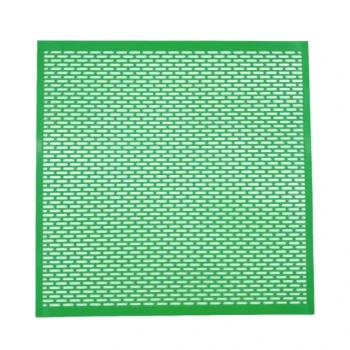
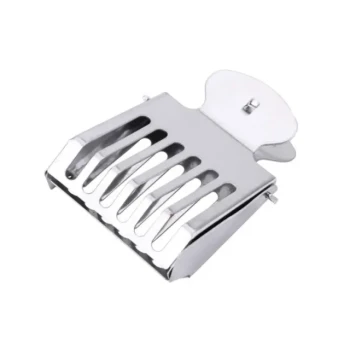
The significance of using queen excluders in research lies in their ability to impose strict structural control over the hive environment. By utilizing precise grid dimensions, these devices confine the queen's egg-laying activity to specific lower chambers, physically preventing her entry into honey supers. This isolation ensures that biological variables—specifically brood rearing and resource storage—remain distinct, preventing the cross-contamination of data that occurs when a queen roams freely.
In a research context, the queen excluder serves as a critical variable control mechanism. By standardizing the location of the brood, researchers ensure that measurements regarding mite populations and honey yields are accurate, reproducible, and free from experimental error.
The Mechanics of Standardization
To understand the value of the excluder, you must first understand its mechanical function. The device acts as a physical filter with specific aperture sizes.
Physical Separation of Castes
The grid allows smaller worker bees to pass through freely to store resources in upper supers. However, it restricts the larger queen bee to the lower brood chambers.
Defining Operational Zones
This creates a binary structure within the hive: a designated zone for biological reproduction (brood) and a designated zone for resource accumulation (honey). In research, this clear delineation is required to prevent "noisy" data.
Ensuring Data Integrity
The primary reference highlights that the most critical application of this structure is the preservation of accurate data. Without an excluder, the mixing of biological functions compromises two key metrics.
Standardizing Mite Population Monitoring
Mites reproduce within the brood cells of the colony. If the queen is permitted to lay eggs throughout the entire hive, the parasitic population becomes dispersed and difficult to quantify.
By using an excluder, researchers confine brood development—and therefore mite reproduction—to a specific, contained area. This facilitates standardized monitoring, allowing researchers to measure infestation levels accurately without the error introduced by scattered brood patches.
Guaranteeing Honey Yield Accuracy
For studies focusing on productivity, data purity is paramount. If a queen enters the honey supers, she may lay eggs in frames meant for storage.
This introduces larvae and pupae into the supers, changing the weight and composition of the frames. The excluder ensures honey supers remain free of brood, guaranteeing that weight measurements reflect pure honey yield rather than a mix of stores and developing bees.
Colony Management and Stability
Beyond data collection, the excluder plays a vital role in maintaining the structural stability of the colony during long-term studies.
Suppressing Swarm Behavior
Experimental consistency requires a stable population. Space regulation, facilitated by the use of excluders and multi-layer supers, helps suppress the colony's natural urge to swarm.
Concentrating the Workforce
By managing the hive volume and restricting egg-laying, the colony’s energy is not diluted. The workforce is concentrated on honey collection in the upper supers, while the colony strength remains consolidated rather than being fractured by swarming events.
Understanding the Trade-offs
While queen excluders are essential for data precision, their use introduces specific operational requirements that must be managed.
The Necessity of Active Management
Using an excluder is not a "set it and forget it" strategy. It requires the beekeeper to actively manage the space in the multi-layer supers to prevent congestion.
Artificial vs. Natural Structure
The excluder imposes an artificial boundary on the colony. While this is beneficial for experimental control, it forces the colony to adapt its natural vertical movement. Researchers must ensure that the grid dimensions are precise; otherwise, the device fails to segregate the queen, rendering the collected data invalid.
Making the Right Choice for Your Goal
The utility of a queen excluder depends heavily on the specific variables your research intends to isolate.
- If your primary focus is Pest/Disease Dynamics: You must use an excluder to confine the queen, ensuring mite reproduction is centralized for accurate counting and treatment testing.
- If your primary focus is Production Metrics: You need the excluder to guarantee that honey supers contain only honey, preventing brood weight from skewing yield data.
- If your primary focus is Population Genetics: The excluder helps maintain colony integrity by preventing swarming, ensuring the specific genetic traits of the test colony are preserved throughout the study.
Ultimately, the queen excluder transforms a chaotic biological organism into a structured, measurable subject, allowing for the rigorous data collection required by scientific standards.
Summary Table:
| Research Variable | Role of Queen Excluder | Impact on Data Integrity |
|---|---|---|
| Brood Rearing | Confines queen to lower chambers | Prevents brood from contaminating honey supers |
| Pest Monitoring | Centralizes mite reproduction areas | Enables accurate and standardized mite population counts |
| Honey Yield | Keeps supers free of larvae and eggs | Ensures weight measurements reflect 100% pure honey |
| Colony Stability | Suppresses swarming behavior | Maintains consistent population genetics and workforce |
| Space Management | Defines distinct biological zones | Facilitates reproducible experimental conditions |
Elevate Your Apiary’s Scientific Performance with HONESTBEE
Precise research and high-yield commercial beekeeping demand the highest quality equipment. HONESTBEE provides commercial apiaries and distributors with a comprehensive wholesale range designed for professional-grade hive management.
From precision-engineered queen excluders that ensure data integrity to advanced honey-filling and hive-making machinery, we supply the full spectrum of tools, equipment, and essential consumables. Whether you are scaling a commercial operation or supplying the industry, our portfolio offers the hardware and honey-themed merchandise you need to succeed.
Ready to optimize your colony structures? Contact HONESTBEE Today for Specialized Wholesale Solutions
References
- Maxcy P. Nolan, Keith S. Delaplane. Distance between honey bee Apis mellifera colonies regulates populations of Varroa destructor at a landscape scale. DOI: 10.1007/s13592-016-0443-9
This article is also based on technical information from HonestBee Knowledge Base .
Related Products
- High Performance Plastic Queen Excluder for Beekeeping and Apiary Management
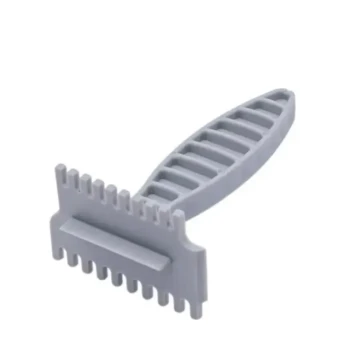
- Lightweight Durable Plastic Queen Excluder Scraper for Beekeeping
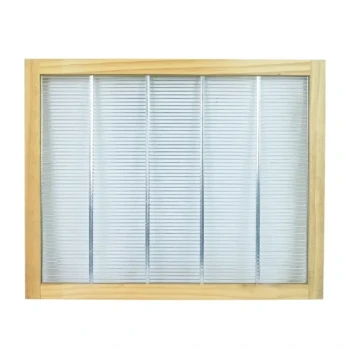
- Premium Wood Framed Metal Wire Queen Bee Excluder
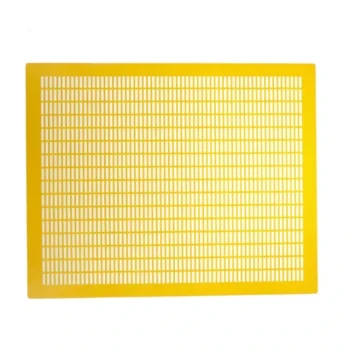
- Professional Plastic Queen Excluder for Modern Beekeeping
- Metal Queen Bee Excluder for Beekeeping
People Also Ask
- What are the characteristics of a plastic queen excluder? Key Benefits for Cost-Effective Beekeeping
- What are the operational and cost advantages of using plastic queen excluders over metal or wire excluders in commercial hive management? Discover how they reduce labor, prevent wing damage, and lower total costs.
- What types of queen excluders are available for beekeepers? Choose the Right Tool for Your Hive
- Why are standardized hive frames and queen excluders essential for maintaining honey purity and quality? Scale Your Purity
- Do plastic queen excluders work? A Cost-Effective Solution for Modern Apiaries