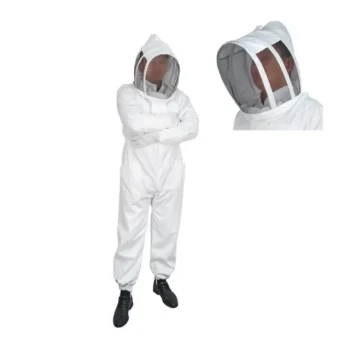
The recommended clothing under a bee suit consists of loose-fitting, long-sleeved shirts and long pants made from sturdy materials like denim or canvas. This creates a critical secondary barrier against stings while allowing for necessary airflow to manage heat.
Effective layering is not just about coverage; it is about creating a "safety gap" between the suit and your skin. The ideal underlayer is loose enough to prevent a stinger from reaching you, yet breathable enough to prevent overheating.
Maximizing Protection Through Material and Fit
The Necessity of Loose Fitting Garments
You must avoid wearing tight clothing underneath your protective gear. Tight fabrics sit directly against the skin, making it significantly easier for a bee’s stinger to penetrate the fabric and reach you.
Loose-fitting clothes create an air gap that acts as a buffer. This ensures that if a stinger pierces the suit, it is less likely to make contact with your body.
Choosing the Right Pants
While lighter clothes help with heat, thick denim jeans or canvas painter’s pants offer the best secondary safeguard. These materials are naturally resistant to stings due to their density.
If you choose to wear jeans, ensure they are loose. Tight jeans restrict movement and compromise the protective air gap mentioned above.
Upper Body Coverage
Always opt for a long-sleeve shirt rather than a tank top or short sleeves. This ensures your arms remain protected even if the suit material shifts against your skin.
Select a shirt with a long hem. This prevents the shirt from riding up and exposing your lower back when you bend over to inspect hives.
Securing the "Seal"
Eliminate Entry Points
The primary danger in beekeeping is not just a sting through the suit, but a bee entering the suit. To prevent this, you must tuck your shirt into your pants to eliminate gaps at the waistline.
Protecting the Ankles
Bees often crawl upwards. To counter this, you should tuck your pant legs into your socks.
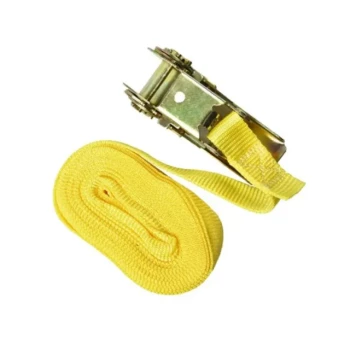
Alternatively, you can use boot bands to cinch the leg openings tight against your boots. This creates a seal that prevents bees from crawling up your legs if they manage to get near your feet.
Footwear Requirements
Do not wear sandals or open shoes. You must wear sturdy boots or shoes that fully cover your feet and provide stability on uneven ground.
Understanding the Trade-offs
Heat vs. Protection
Bee suits trap heat, and adding layers increases the risk of overheating. While the primary reference suggests light clothes to stay cool, supplementary data emphasizes thick denim for safety.
You must balance this based on the weather and your experience level. Thicker layers offer more protection but will cause you to sweat more; lighter layers are cooler but offer less resistance to a sting.
Mobility Constraints
Bulky or tight clothing can restrict your movement, making it difficult to maneuver frames and boxes.
Restricted movement can lead to clumsiness, which agitates the bees. Ensure your layers are loose enough to allow full range of motion without being so baggy that they bunch up uncomfortably.
Making the Right Choice for Your Goal
To ensure you select the right undergarments for your specific situation, follow these guidelines:
- If your primary focus is maximum safety: Prioritize thick, loose denim jeans and canvas shirts, ensuring every hem is tucked into socks or waistbands.
- If your primary focus is heat management: Wear lighter, breathable long sleeves and pants, but verify they remain loose to maintain the air gap between fabric and skin.
The most effective under-suit clothing provides full skin coverage without restricting the movement necessary for precise hive management.
Summary Table:
| Feature | Recommendation | Why It Matters |
|---|---|---|
| Fit | Loose-fitting | Creates a protective air gap to stop stingers from reaching skin. |
| Material | Denim or Canvas | Dense fabrics provide a thick secondary barrier against stings. |
| Top | Long-sleeved shirt | Ensures full arm coverage and prevents skin-to-suit contact. |
| Bottom | Thick jeans or canvas pants | Protects legs while offering durability during hive inspections. |
| Sealing | Tucked-in hems & socks | Eliminates entry points for bees to crawl inside the clothing. |
| Footwear | Sturdy, closed-toe boots | Provides stability and protects ankles from crawling bees. |
Elevate Your Apiary Safety with HONESTBEE
At HONESTBEE, we understand that professional beekeeping requires the perfect balance of protection and efficiency. Whether you are a commercial apiary scaling operations or a distributor seeking high-quality supplies, we provide the comprehensive wholesale solutions you need.
Our Value to You:
- Complete Equipment Range: From specialized hive-making and honey-filling machinery to professional-grade protective gear.
- Industry Consumables: A reliable supply of essential tools and consumables to keep your bees healthy and your honey flowing.
- Cultural Merchandise: Unique honey-themed products to diversify your retail portfolio.
Ready to optimize your beekeeping business? Contact HONESTBEE today to discuss our wholesale offerings and how we can support your growth with premium tools and expertise!
Related Products
- Economy Polyester Beekeeping Jacket with Veil and Hat
- Premium Cotton Beekeeper Suit with Reinforced Fencing Veil
- Professional Beekeeper Suit with Square Folding Cotton Veil
- Charming Bee Mascot Costume Professional Engaging Brand Ambassador
- Iconic Maya the Bee Mascot Costume Professional Engaging Character Outfit
People Also Ask
- When is a beekeeping jacket considered a more suitable choice than a full suit? Optimize Your Apiary Mobility
- What are the advantages of a beekeeping jacket? Superior Mobility & Comfort for Routine Hive Inspections
- What are the features of an economical beekeeping jacket? Essential Protection for Budget-Conscious Beekeepers
- What factors should a new beekeeper consider when choosing between a jacket and a full suit? Security vs. Comfort
- What are the pros of using a beekeeping jacket? Unlock Superior Comfort and Mobility for Your Apiary