The primary recommendation for constructing a top bar hive is to use clear, Forest Stewardship Council (FSC) certified wood. This specific grade of lumber is essential for ensuring the structural integrity of the hive and maintaining a sustainable environment for the bees.
Core Takeaway While various materials can be used for hive stands, the hive body itself relies on high-quality, stable lumber to provide critical insulation. Using "clear" wood ensures the structure remains strong enough to support heavy honeycombs without the risk of warping or knot failures.
Selecting the Right Lumber
The Importance of "Clear" Wood
The term "clear" refers to lumber that is free of knots and defects. This is the recommended standard for hive bodies.
Knots in lower-grade wood can loosen and fall out over time, creating unwanted entrances for pests or drafts that compromise the colony's temperature regulation.
Sustainability and Certification
The recommendation to use FSC-certified wood aligns beekeeping with broader environmental goals.
This certification ensures the timber is harvested responsibly. Using sustainable materials supports the overall health of the ecosystem in which your bees will forage.
Insulation Properties
High-quality, stable lumber provides excellent insulation.
Top bar hives require materials that can buffer the colony against temperature extremes. Dense, stable wood helps the colony retain heat during winter and stay cool during summer.
Critical Specifications for Top Bars
Strength is Non-Negotiable
While the hive body protects the bees, the top bars bear the weight of the colony's work.
These bars can be made from various wood types, but they must have a minimum thickness of ¾ inch. This prevents the bars from bowing or breaking under the significant weight of combs filled with honey and brood.
Standard Dimensions
Top bars typically range from 1¼ inches to 1½ inches wide.
The length can be customized to fit the hive width, but standard hives often utilize around 28 bars. The wood used here must be strong enough to function without a foundation strip if you choose a natural comb approach.
Structural Design Considerations
Hive Length and Capacity
The material you choose must support a hive body of adequate length.
Colonies can outgrow horizontal hives shorter than 36 inches. A length of 40 inches is often cited as ideal, allowing ample space for honey storage and winter resources.
The Support System
Unlike the hive body, the hive stand permits more material flexibility.
Stands can be constructed from concrete blocks, bricks, railroad ties, or treated lumber. The priority here is stability rather than insulation or knot-free finish.
Understanding the Trade-offs
Clear Wood vs. Common Lumber
Using clear wood is generally more expensive than "knotty" or construction-grade lumber.
However, the trade-off is longevity and seal. Cheaper wood may warp or lose knots, requiring repairs or causing colony stress later.
Weight vs. Durability
Thicker, denser wood offers better insulation and strength but makes the hive heavier.
If you plan to move the hive frequently, the weight of high-quality lumber combined with a full 40-inch hive body can be significant.
Making the Right Choice for Your Goal
- If your primary focus is Colony Survival: Prioritize high-quality, stable lumber for the hive body to maximize insulation against weather extremes.
- If your primary focus is Structural Safety: Ensure all top bars are at least ¾ inch thick to prevent catastrophic comb collapse.
- If your primary focus is Environmental Impact: Source only FSC-certified wood to ensure your apiary supports sustainable forestry practices.
Investing in clear, certified wood creates a durable, well-insulated home that allows a colony to thrive for years rather than just a single season.
Summary Table:
| Component | Recommended Material | Key Specifications | Primary Benefit |
|---|---|---|---|
| Hive Body | Clear, FSC-certified Wood | Free of knots/defects | Prevents drafts and pests; superior insulation |
| Top Bars | Strong, Stable Lumber | Min. 3/4" thick; 1 1/4"-1 1/2" wide | Supports heavy honeycombs without bowing |
| Hive Stand | Concrete, Bricks, or Treated Wood | Sturdy and level | Provides structural stability and ground clearance |
| Fasteners | Weather-resistant Screws | Corrosion-resistant | Ensures long-term structural integrity |
Scale Your Apiary with Professional-Grade Solutions
At HONESTBEE, we understand that the success of commercial apiaries and distributors depends on the quality of their equipment. Whether you are constructing custom top bar hives or managing a large-scale operation, we provide the industrial-strength tools and machinery you need to thrive.
Our Value to You:
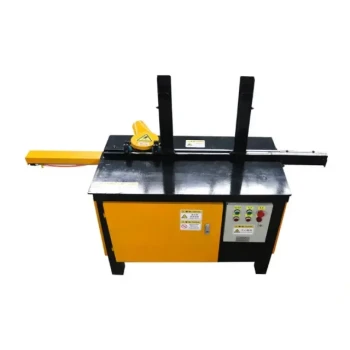
- Comprehensive Wholesale Range: From specialized hive-making and honey-filling machines to essential industry consumables.
- Professional Hardware: Durable beekeeping tools and equipment designed for the rigors of commercial use.
- Global Distribution Support: Reliable supply chains for distributors and large-scale bee farms.
Enhance your productivity and protect your colonies with premium supplies. Contact HONESTBEE today for wholesale pricing and expert guidance!
Related Products
- Long Langstroth Style Horizontal Top Bar Hive for Wholesale
- Top Bar Beehive for Beekeeping Wholesales Kenya Top Bar Hive
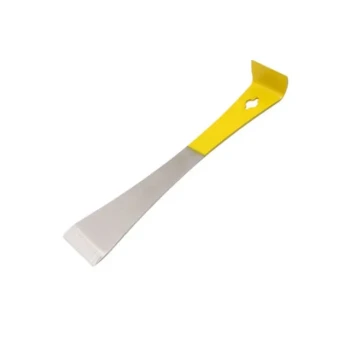
- HONESTBEE Classic Pry Bar Hive Tool with High Visibility Finish for Beekeeping
- Wholesales Dadant Size Wooden Bee Hives for Beekeeping
- Wooden Bee Hive Frames for Beekeeping and Wholesale
People Also Ask
- What are the potential applications of top bar hives in resource-limited settings? Empower Communities with Sustainable Beekeeping
- What are the benefits of extra wax production in top bar hives? A Natural Byproduct for Craft & Efficiency
- How is a top bar hive used to start a new colony? Master Incremental Expansion for a Thriving Hive
- What does the general management of a top bar hive entail? Master Horizontal Beekeeping with Ease
- How does the top bar hive help control varroa mites? A Natural Approach to Mite Management