Selecting the correct container is critical for maintaining honey quality across the supply chain. generally, you should use containers with capacities up to 20 kg for harvesting and processing, 2 kg to 5 kg for retail marketing, and 200-liter drums for bulk quantities over 200 kg. Regardless of size, every container must be made of food-grade plastic or glass to ensure safety and preserve the product.
The container is a preservation system, not just a vessel. The primary function of your packaging is to act as a physical barrier against moisture absorption and contamination; strictly using food-grade materials is the only way to preserve flavor and meet safety standards.
Material Standards and Hygiene
The Non-Negotiable Standard
All containers, regardless of their stage in the process, must be made of food-grade plastic or glass. This ensures that no harmful chemicals leach into the honey and that the flavor remains unaltered.
The Risk of Second-Hand Containers
You must never use second-hand containers for honey storage or marketing. Reusing containers significantly increases the risk of contamination from previous substances, which can ruin the honey's purity and safety profile.
Moisture and Flavor Protection
Proper packaging provides a physical barrier that prevents honey from absorbing atmospheric moisture. This barrier is essential for maintaining the honey's specific viscosity and preventing the fermentation that can occur with high water content.
Selecting Containers by Production Stage
Harvesting and Processing
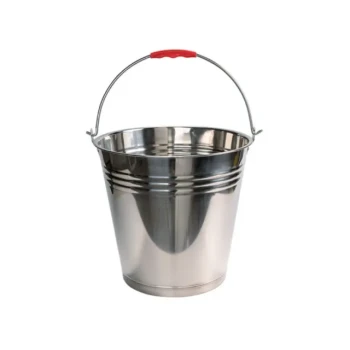
For the collection and initial processing phases, containers with capacities up to 20 kg are recommended. Plastic containers with sealable tops are preferred here because they are durable, lightweight, and prevent contamination during transport from the hive to the processing facility.
Retail and Marketing
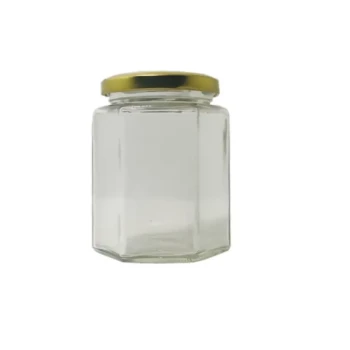
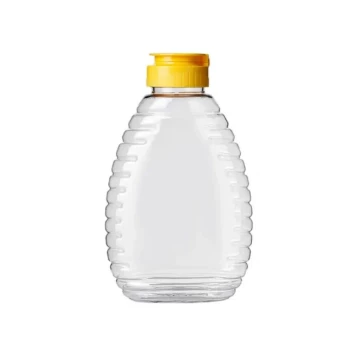
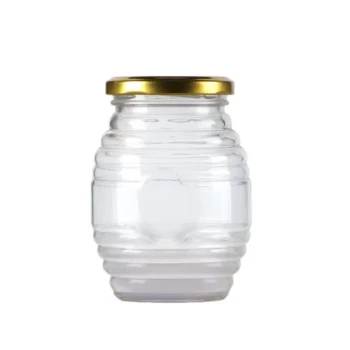
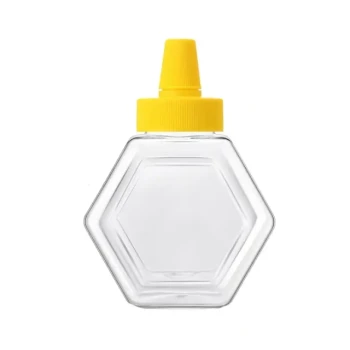
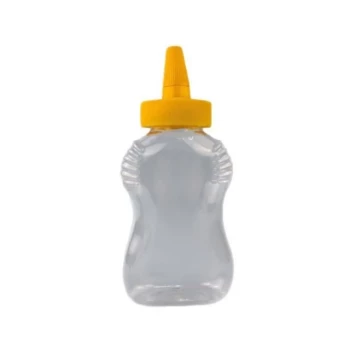
When selling to retailers or directly to consumers, smaller units ranging from 2 kg to 5 kg are the standard. For this stage, you can utilize glass, plastic, or even sachets depending on your market strategy.
Bulk Storage and Transport
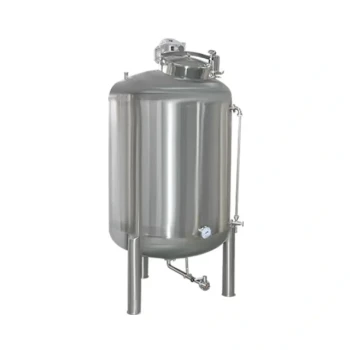
For large-scale operations handling quantities of 200 kg or more, 200-liter drums are the appropriate choice. These drums must still adhere to food-grade standards to ensure the bulk product remains safe for future bottling or industrial use.
Understanding the Trade-offs
Transparency vs. Oxidation
Transparent containers are excellent for brand presentation, allowing customers to see the product's color and purity. However, light exposure can cause oxidation, which degrades the quality of the honey over time. High-quality packaging attempts to balance visual appeal with protection against light-induced degradation.
Durability vs. Presentation
Plastic is practical for harvesting because it resists breakage and is lighter to carry. However, glass is often preferred for marketing because it implies a premium quality to the consumer, despite being heavier and more fragile.
Making the Right Choice for Your Goal
Selecting the right container depends entirely on where you are in the production cycle and who your end-user is.
- If your primary focus is Harvesting: Prioritize sealable food-grade plastic buckets (up to 20 kg) to ensure durability and prevent moisture entry during collection.
- If your primary focus is Retail Sales: Choose transparent glass or plastic containers (2 kg to 5 kg) or sachets that enhance brand visibility while ensuring a tight seal against moisture.
- If your primary focus is Wholesale/Bulk: Utilize 200-liter food-grade drums to efficiently manage and transport large volumes without compromising hygiene.
Invest in food-grade quality at every stage to ensure your honey reaches the consumer with its flavor and safety intact.
Summary Table:
| Stage | Recommended Capacity | Material Type | Key Feature |
|---|---|---|---|
| Harvesting | Up to 20 kg | Sealable Food-Grade Plastic | Lightweight & durable |
| Processing | Up to 20 kg | Sealable Food-Grade Plastic | Prevents moisture entry |
| Retail Marketing | 2 kg to 5 kg | Glass, Plastic, or Sachets | High visibility & brand appeal |
| Bulk Transport | 200 Liters | Food-Grade Drums | Efficient for volumes >200 kg |
Scale Your Apiary with HONESTBEE Professional Equipment
Maintaining honey purity requires more than just the right container—it requires a seamless production line. HONESTBEE specializes in supporting commercial apiaries and distributors with high-performance solutions.
Why choose HONESTBEE?
- Comprehensive Wholesale Range: From food-grade honey-filling machines to hive-making hardware.
- Essential Consumables: A full spectrum of beekeeping tools and industry essentials.
- Growth Focused: We provide the machinery and cultural merchandise needed to build a recognizable brand.
Ready to elevate your honey production and marketing? Contact us today to discuss your wholesale needs and let us help you deliver excellence.
Related Products
- Food Grade Plastic Honey Bucket Pail for Beekeeping
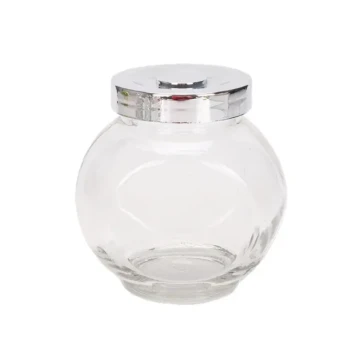
- Classic Drum Shaped Glass Honey Jar with Airtight Lid
- Plastic Honey Gate Spout with Wing Nut for Beekeeping Honey Bucket
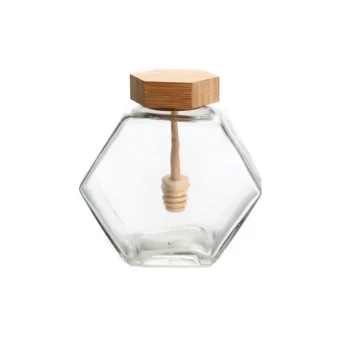
- Hexagonal Glass Honey Jar with Wooden Lid Integrated Dipper Elegant Functional Storage
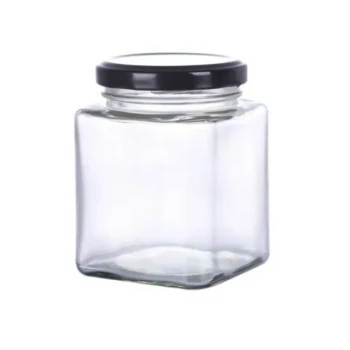
- Modern Square Glass Honey Jar with Twist Off Lid
People Also Ask
- What key operational precautions should be taken when using honey buckets and extractors fitted with bottom drain taps?
- What functions do food-grade honey buckets perform? Safeguard Your Harvest and Optimize Apiary Logistics
- Why are food-grade plastic buckets preferred for honey? Protect Quality with Modern Honey Collection Tools
- What is the significance of food-grade plastic honey collection buckets? Boost Quality in Forest Honey Logistics
- What is a honey pail? The Essential Container for Protecting Your Honey's Value