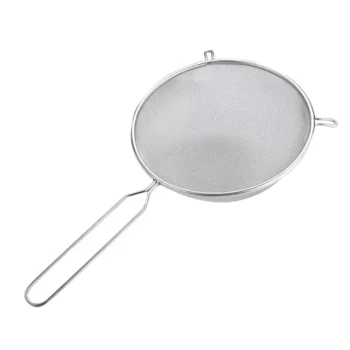
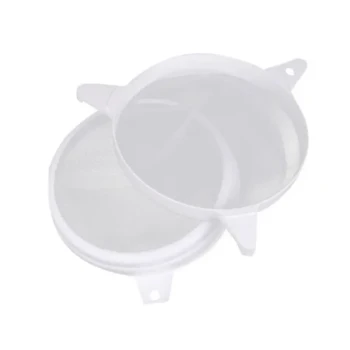
A honey filtering machine primarily targets physical contaminants introduced during the extraction process, specifically removing wax particles, bee parts, and general debris. Beyond these large solids, the equipment is also designed to filter out sugar crystals and pollen, which are responsible for cloudiness and premature granulation in the final product.
The core function of a honey filtering machine is to refine raw harvest into a market-ready product. By systematically removing physical debris and crystallization nuclei, the machine ensures a cleaner texture and superior visual clarity without necessarily compromising the honey's natural profile.
The Scope of Filtration
Removing Extraction Byproducts
During the harvesting process, foreign matter inevitably mixes with the honey. The primary role of the filtering machine is to eliminate wax particles (cappings) and bee parts (wings or legs). Removing these elements is essential for sanitation and creating a palatable consumer product.
Eliminating Crystallization Nuclei
Honey naturally contains sugar crystals which can act as "seeds" for further crystallization. Filtering machines remove these existing crystals. This removal is critical for keeping the honey liquid and clear for a longer period on the shelf.
Managing Pollen and Sediment
The machine also filters out pollen and fine sediment. While pollen is natural, an excess of it contributes to cloudiness. Reducing pollen content results in a more transparent, "polished" appearance that many consumers prefer.
How the Process Purification Works
Progressive Screening
The filtration process typically utilizes a series of mesh screens or filters that vary in fineness. The honey passes through coarse filters first to catch large debris like wax. It then moves to finer screens to trap smaller particles and sediment.
Thermal Conditioning
To assist the flow of honey through these fine filters, the machine often employs a gradual heating system. This gentle heat liquefies existing crystals and lowers the honey's viscosity. This ensures the filtration is smooth and prevents clogging in the mesh.
Pressure Assistance
Some advanced models incorporate pressure systems to force honey through the filters. This increases the speed of operation. It ensures high efficiency even when dealing with thicker, more viscous honey varietals.
Understanding the Trade-offs
The Balance of "Raw" Honey
While filtration improves appearance, there is a delicate balance regarding enzymes and flavors. If the machine heats the honey too aggressively to speed up filtration, it can destroy natural enzymes. To maintain "raw" status, the heat must be carefully controlled.
Visual Appeal vs. Natural Composition
removing pollen enhances clarity, but pollen is also a marker of geographical origin and nutritional value. Ultra-filtration that removes all pollen yields a very clear product but may strip the honey of its unique botanical identity. You must decide how fine a mesh to use based on your target market.
Making the Right Choice for Your Goal
Achieving the right level of purity depends on whether you are prioritizing shelf stability or preserving the rawest possible state of the product.
- If your primary focus is Mass Market Retail: Prioritize finer filtration and heating to remove sugar crystals and pollen, ensuring the honey remains clear and liquid on the shelf for months.
- If your primary focus is Raw/Artisanal Sales: Use coarser mesh settings and minimal heat to remove visible debris (wax/bee parts) while retaining natural pollen and delicate enzymes.
Ultimately, the goal of filtration is to elevate the consumer experience by delivering a product that is visibly clean and texturally smooth.
Summary Table:
| Contaminant Type | Examples of Impurities | Impact on Final Product |
|---|---|---|
| Physical Debris | Wax cappings, bee wings/legs | Affects sanitation and basic food safety |
| Crystallization Nuclei | Sugar crystals | Causes honey to solidify and cloud quickly |
| Sediment & Pollen | Fine dust, excess pollen | Reduces visual transparency and polish |
| Process Byproducts | Extraction residue | Compromises texture and consumer appeal |
Elevate Your Honey Production with HONESTBEE
Are you looking to deliver the clearest, most shelf-stable honey to your customers? HONESTBEE specializes in empowering commercial apiaries and distributors with professional-grade honey filtering and filling machinery. From precision mesh screening to advanced thermal conditioning systems, our equipment ensures your harvest meets the highest market standards while preserving its natural quality.
Whether you are a large-scale distributor needing high-efficiency hardware or a commercial apiary seeking specialized beekeeping tools and consumables, we provide the full spectrum of industry solutions tailored to your growth.
Ready to optimize your processing line?
Contact HONESTBEE today for a customized wholesale quote!
Related Products
- Professional Stainless Steel Honey Filtering Machine with Water Bath Heating for Beekeeping
- Electric Double Wall Honey Filtering Machine Purifier Equipment for Honey Processing Plant
- Automatic Honey Filling and Filtering Machine for Beekeeping Bottle Filling
- Honey Concentrating and Filtering Dehumidifier Machine 2T Capacity for Honey
- 0.5T Capacity Honey Dehumidifier Dryer with Vacuum Heating and Thickening Filtering Machine
People Also Ask
- What is the best way to filter honey? A Guide to Quality, Clarity, and Raw Preservation
- Is it necessary to filter honey after extraction? A Guide to Straining vs. Raw Honey
- Why is filtering honey an important step in honey processing? Ensure Purity, Clarity & Marketability
- Why do people filter honey? For Clarity, Stability, and Consumer Appeal
- What are the benefits of using honey filters? Achieve Purity, Efficiency, and Market Appeal