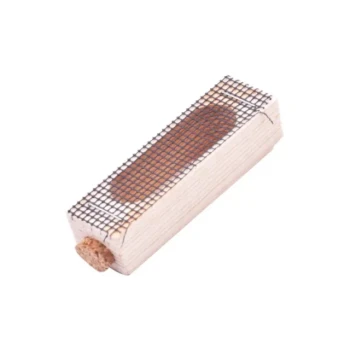
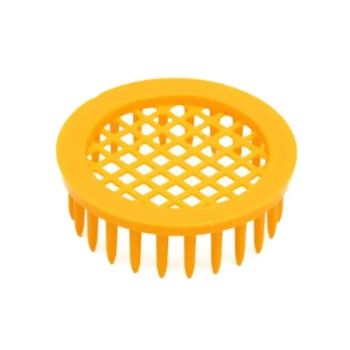
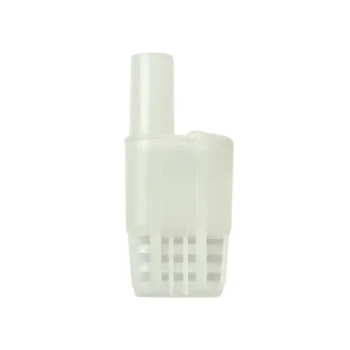
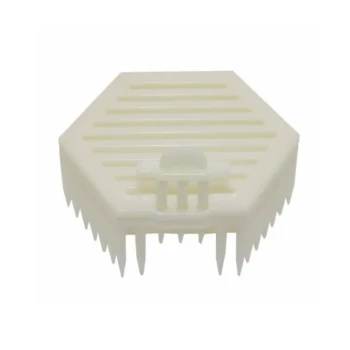
A beekeeper should inspect the queen cage 3 to 5 days after the initial installation. If the queen is not released by the fifth day, you must intervene manually to ensure she does not perish or become permanently rejected. This brief inspection is the critical turning point between introduction and acceptance.
Core Takeaway Verifying queen release is a delicate balance between necessity and disturbance. Check the cage between day 3 and day 5; if she is free, close the hive immediately. If she is trapped, release her manually, then cease all inspections for at least 10 days to ensure colony acceptance.
The Verification Window
The 3-to-5 Day Standard
You should schedule your inspection 3 to 5 days after placing the queen cage in the hive. This duration allows the colony sufficient time to acclimate to the queen's pheromones and chew through the candy plug naturally.
Inspecting the Cage
Open the hive with minimal smoke and swift movements to locate the cage. If the cage is empty, the release has been successful. You should immediately remove the empty cage and replace the center frame that was removed during installation to restore the hive's proper density.
Manual Release Protocol
When to Intervene
If you find the queen is still inside the cage on the fifth day, natural release has failed. Leaving her confined longer risks her health and complicates the colony's acceptance of her pheromones.
How to Release Her Safely
To perform a manual release, hold the cage very close to the frames to minimize the distance she must travel. Use your hive tool to pull back the plastic tab or screen covering the opening.
Guiding Her Out
Allow the queen to walk out onto the comb on her own; do not shake the cage. Once she has moved onto the frame, gently replace the center frame and close the hive immediately.
Understanding the Trade-offs
The Risk of Disturbance
While verifying release is necessary, opening the hive stresses the colony. A new queen is vulnerable; if the colony is agitated by the beekeeper, they may associate that stress with the queen and ball (attack) her.
The "Non-Laying" Danger
Even after release, the colony may view a new queen with suspicion because she is not yet laying eggs. The supplementary data suggests that a colony is generally suspicious of a non-laying queen, keeping her at risk of aggression until her brood pattern is established.
The 10-Day Rule
Once the queen is released—whether naturally or manually—you must not disturb the hive for at least 10 days. This period of non-disturbance allows the queen to settle in and begin laying eggs, which is the ultimate signal to the colony that she is their leader.
Making the Right Choice for Your Goal
- If your primary focus is confirming release: Check the cage strictly between days 3 and 5; waiting longer increases the risk to a trapped queen.
- If your primary focus is colony acceptance: After the queen is released, strictly avoid opening the hive for a full week or more to prevent stress-induced rejection.
Success relies on a brief, precise check followed by a long period of patience to let the colony establish its new order.
Summary Table:
| Inspection Phase | Timing | Action Required | Key Outcome |
|---|---|---|---|
| Initial Check | 3-5 Days | Inspect queen cage with minimal smoke | Confirm queen release or detect blockage |
| Manual Release | Day 5 | Pull tab and guide queen onto comb | Prevent queen mortality due to trapped cage |
| Acceptance Period | Days 6-15 | Total non-disturbance for 10 days | Allow queen to start laying and establish leadership |
| Final Follow-up | Day 16+ | Check for brood pattern and eggs | Verify full colony integration and queen health |
Scaling Your Apiary for Success with HONESTBEE
Successful queen introduction is the foundation of a productive hive, but having the right professional-grade tools is what ensures long-term profitability. HONESTBEE is a leading partner for commercial apiaries and global distributors, providing a comprehensive wholesale inventory designed for efficiency and scale.
Our value to your business includes:
- Advanced Machinery: From precision hive-making equipment to automated honey-filling machines.
- Premium Hardware: Durable beekeeping tools and queen-rearing supplies that stand up to industrial use.
- Essential Consumables: A wide array of high-quality industry essentials to keep your operations running smoothly.
- Cultural Merchandise: Unique honey-themed products to diversify your retail offerings.
Ready to elevate your beekeeping business with a reliable wholesale partner? Contact HONESTBEE today to discuss our bulk pricing and equipment solutions tailored to your specific needs.
Related Products
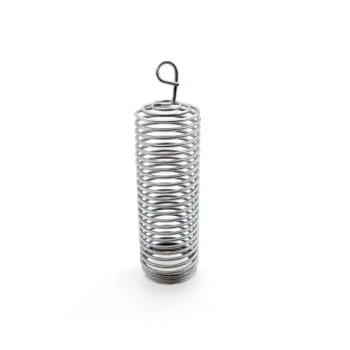
- Durable Galvanized Steel Spring Queen Bee Cage
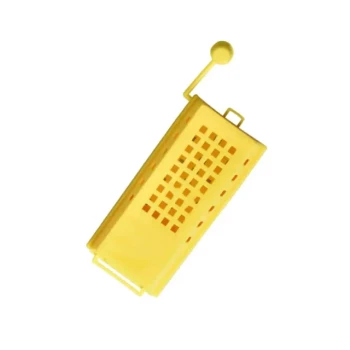
- Professional Queen Cage with Sliding Gate and Feeder Plug
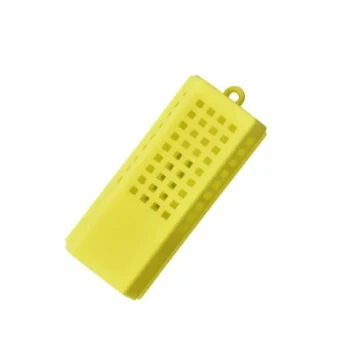
- Professional Queen Bee Introduction and Transport Cage
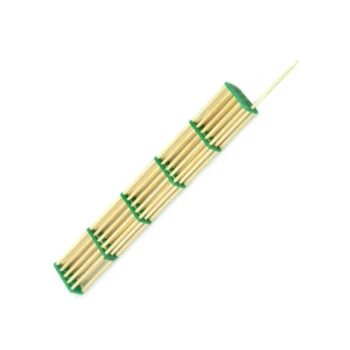
- Professional Bamboo Queen Isolation Cage
- Professional Multi-Functional Queen Bee Cage
People Also Ask
- Why are specialized queen bee cages used for the banking of mated queen bees? Maximize Commercial Apiary Storage Efficiency
- What is the mechanism of action for using temporary queen bee cages? Master Successful Queen Introduction
- What is the step-by-step process for installing a queen bee's cage onto a frame? Ensure Hive Acceptance Safely
- What is the optimal placement for a queen bee cage? Essential Strategies for Successful Re-queening
- What are the advantages and disadvantages of introducing a queen bee by embedding the cage? Boost Your Queen Acceptance