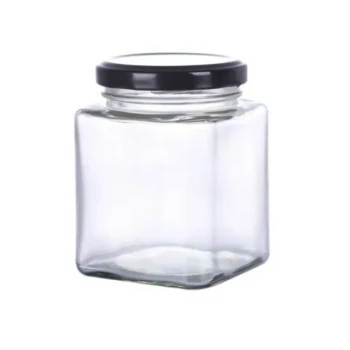
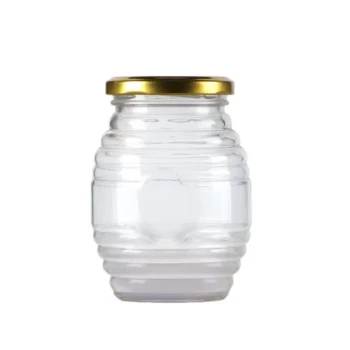
Glass containers in the 1 to 1.5kg range act as the industry standard because they perfectly balance chemical preservation with consumer convenience. This specific volume aligns with typical household consumption rates, while the material itself guarantees that the honey’s complex chemistry remains unaltered by external moisture or odors.
The dominance of 1 to 1.5kg glass jars stems from a dual advantage: chemical inertness that preserves the honey’s biological activity and aroma, and a strategic volume that maximizes brand premium while fitting consumer purchasing habits.
Preserving the Integrity of the Product
The Importance of Inertness
Honey is a chemically complex product that can easily degrade if packaged in reactive materials. Glass is chemically inert, meaning it does not leach chemicals into the honey or degrade over time. This ensures the purity is maintained exactly as the bees produced it.
Combating Moisture and Oxidation
Honey is highly hygroscopic, meaning it naturally attracts and absorbs moisture from the air. Glass containers provide an airtight barrier that effectively prevents external moisture from entering. This is critical because excess moisture can lead to fermentation and spoilage.
Protecting Volatile Aromas
In addition to stopping moisture, glass acts as a high oxygen barrier. This prevents oxidative spoilage and traps volatile aromatic compounds inside the jar. Unlike simple plastic bags or lower-quality containers, glass preserves the specific biological activity and natural aroma of the harvest.
The Role of Transparency and Branding
Visual Inspection as a Trust Signal
The high transparency of glass lowers the consumer's decision-making threshold. It allows buyers to clearly identify the color and consistency of the honey before purchasing. This visibility is vital for verifying the product's crystallization state, which educated consumers often associate with raw, unprocessed honey.
Establishing Premium Positioning
Glass acts as a subconscious "quality signal" in the retail market. The material's weight and clarity enhance the sensory evaluation of the product. This allows beekeepers and retailers to justify a higher brand premium and retail price compared to honey sold in plastic tubes or tubs.
Why the 1 to 1.5kg Specification?
Aligning with Household Habits
The 1 to 1.5kg size is not arbitrary; it is engineered to fit household consumption habits. It provides enough product to last a family for a reasonable period without becoming a storage burden.
Optimizing Direct Sales
For beekeepers conducting direct sales, this size is an ideal medium. It offers a significant enough volume to generate a healthy profit margin per unit, while still being manageable for a customer to carry home from a market or store.
Understanding the Trade-offs: Logistics and Cost
The Weight Penalty
While glass is superior for quality, it presents significant logistical challenges. An empty glass jar can weigh nearly as much as the product itself (e.g., 14 to 16 ounces for smaller jars). This significantly increases shipping costs compared to plastic alternatives.
Fragility and Storage Limitations
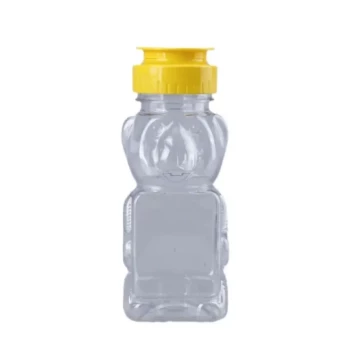
Glass is susceptible to breakage, necessitating investment in protective packaging like bubble wrap and reinforced boxes. Furthermore, glass containers cannot be stacked as high as plastic drums or buckets without risking structural failure, requiring more structured warehousing solutions.
Making the Right Choice for Your Goal
To determine if this packaging standard fits your specific operational needs, consider your distribution channel:
- If your primary focus is High-End Retail or Direct Sales: Stick to 1 to 1.5kg glass jars to maximize shelf appeal, justify premium pricing, and ensure long-term preservation of aroma.
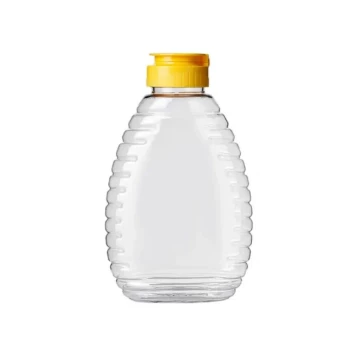
- If your primary focus is E-commerce or Bulk Transport: Consider food-grade plastic to drastically reduce shipping weight and breakage risks, accepting a trade-off in premium perception.
Select the material that protects your product's chemistry while respecting the realities of your supply chain.
Summary Table:
| Feature | Glass Jar (1-1.5kg) | Benefit to Beekeepers & Retailers |
|---|---|---|
| Material Inertness | Non-reactive barrier | Preserves honey purity, biological activity, and aroma. |
| Moisture Control | Airtight seal | Prevents fermentation by blocking hygroscopic absorption. |
| Visual Clarity | High transparency | Builds consumer trust through easy inspection of color/texture. |
| Market Position | Premium weight/feel | Justifies higher retail price points and brand premium. |
| Volume Size | Household-optimized | Aligns with standard consumption habits and direct sales needs. |
Elevate Your Honey Brand with Professional Solutions
At HONESTBEE, we understand that the right packaging and processing equipment are vital to your commercial success. Whether you are a large-scale distributor or a growing commercial apiary, we provide the tools you need to maintain product integrity and maximize market value.
Our comprehensive wholesale range includes:
- Precision Machinery: Advanced honey-filling and hive-making machines.
- Beekeeping Essentials: High-quality tools, machinery, and industrial consumables.
- Brand Enhancements: Specialized hardware and unique honey-themed cultural merchandise.
Ready to scale your operations and offer a premium product to your customers? Contact HONESTBEE today to discover how our expert beekeeping equipment and wholesale solutions can grow your business.
References
- Hasan Vural, SÃ ⁄ leyman Karaman. Socio-Economic Analysis of Beekeeping and the Effects of Beehive Types on Honey Production. DOI: 10.15835/nbha3723298
This article is also based on technical information from HonestBee Knowledge Base .
Related Products
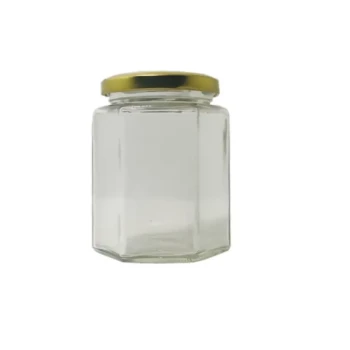
- Hexagonal Glass Honey Jars with Metal Lug Caps Elegant Versatile Packaging
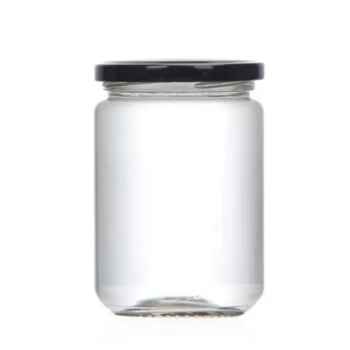
- Classic Round Glass Honey Jar with Lid
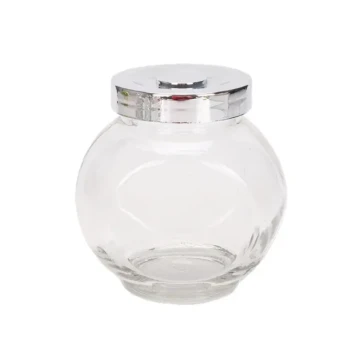
- Classic Drum Shaped Glass Honey Jar with Airtight Lid
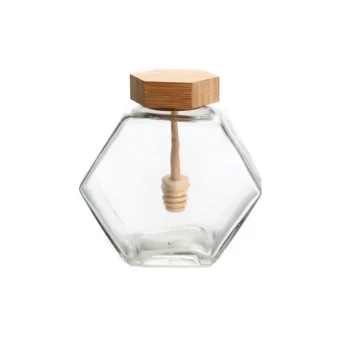
- Hexagonal Glass Honey Jar with Wooden Lid Integrated Dipper Elegant Functional Storage
- Modern Square Glass Honey Jar with Twist Off Lid
People Also Ask
- What is the aesthetic appeal of using glass jars for honey? Elevate Your Brand with Premium Packaging
- What are the logistical challenges associated with using glass jars for honey packaging? Navigating Weight & Fragility
- What are the advantages of glass containers for honey? Elevate Quality and Market Value with Premium Packaging
- What are the technical advantages of using glass jars for honey? Master Commercial Packaging for Premium Purity
- What are the advantages of using glass jars for honey packaging? Preserve Purity & Elevate Your Brand