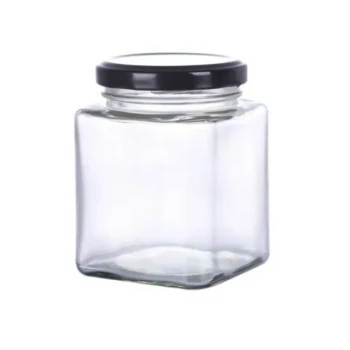
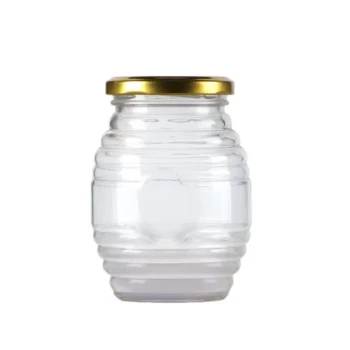
To ensure accurate sensory data, 20 mL transparent glass containers are specified because they simultaneously satisfy the strict visual, olfactory, and gustatory requirements of professional evaluation. This specific capacity creates a sufficient volatilization area to maximize the perception of aromas, while the glass transparency allows for precise visual grading of color and crystallization against industry standards like the Pfund scale.
The choice of container is not merely about storage; it is a calibrated tool designed to amplify volatile aromas and ensure objective visual comparison, directly impacting the honey's assessed market value.
Optimizing Olfactory Assessment
The Role of Volatilization
The 20 mL capacity is not arbitrary; it provides the specific physical space necessary for the honey's aroma compounds to release into the air.
This "headspace" creates a sufficient volatilization area, allowing the evaluator to detect the full complexity of the honey's bouquet.
Without this specific volume, subtle floral or fruity notes—which distinguish monofloral honeys from blends—might remain undetected.
Preventing Olfactory Interference
Glass is specified because it is an odorless, inert material.
Using clean, odorless containers prevents the container itself from imparting synthetic smells that could mask the honey's natural profile.
This neutrality allows evaluators to distinguish delicate flavor nuances between comb honey and processed honey without external contamination.
Ensuring Visual Accuracy
Grading Against the Pfund Scale
Transparency is non-negotiable for determining the market value of honey.
Evaluators must be able to visually compare the sample against standard color plates, specifically the Pfund scale, to classify the honey correctly.
Any tint or opacity in the container material would distort this measurement, leading to incorrect grading.
Assessing Physical State
Beyond color, transparency allows for the immediate evaluation of the honey's crystallization state.
Evaluators can observe the texture and clarity of the liquid, identifying impurities or the onset of granulation.
This visual data provides critical clues regarding the honey's age, storage conditions, and processing history.
Understanding the Trade-offs
The Limit of the Container
While the 20 mL glass container is the standard, it cannot compensate for a poor testing environment.
As noted in international standards like ISO 8589, the laboratory environment itself must control for light, temperature, and odor.
Sensitivity to Environment
Honey flavor profiles are highly sensitive to external factors.
Even with the perfect container, testing in an area with fluctuating temperatures or ambient odors will render the sensory evaluation invalid.
Therefore, the container must be viewed as one part of a holistic system of environmental control.
Making the Right Choice for Your Goal
To ensure your sensory evaluation meets professional standards, align your tools with your specific assessment objectives:
- If your primary focus is Aroma and Flavor: Ensure you use 20 mL containers to maximize the volatilization area, allowing the full "nose" of the honey to develop.
- If your primary focus is Market Grading: Prioritize high-quality transparent glass to ensure accurate color comparison against the Pfund scale.
By standardizing your container, you eliminate variables and ensure that every sample is judged solely on its own merit.
Summary Table:
| Feature | Specification | Importance in Sensory Evaluation |
|---|---|---|
| Material | Transparent Glass | Ensures odor neutrality and allows for accurate Pfund scale color grading. |
| Capacity | 20 mL | Creates optimal headspace/volatilization area for detecting complex aromas. |
| Clarity | High Transparency | Enables immediate assessment of crystallization state and honey impurities. |
| Inertness | Odorless/Non-reactive | Prevents synthetic contamination, preserving delicate floral and fruity notes. |
Elevate Your Honey Quality Control with HONESTBEE
At HONESTBEE, we understand that professional sensory evaluation is the key to determining the market value of your honey. As a dedicated partner to commercial apiaries and distributors, we provide the precision tools necessary to maintain industry standards. From high-clarity glassware to advanced honey-processing machinery and hive-making equipment, our comprehensive wholesale offering is designed to support your growth.
Our Value to You:
- Professional Grade Tools: Access the full spectrum of beekeeping hardware and specialized honey-filling machines.
- Industry Expertise: We supply the essential consumables and cultural merchandise that set your brand apart.
- Tailored Wholesale Solutions: Reliable equipment sourcing for large-scale operations and distributors.
Ready to professionalize your honey production and evaluation? Contact us today to explore our full inventory and see how we can optimize your apiary’s efficiency.
References
- Rifka Nakib, Olga Escuredo. Sensory Attributes and Chemical Composition: The Case of Three Monofloral Honey Types from Algeria. DOI: 10.3390/foods13152421
This article is also based on technical information from HonestBee Knowledge Base .
Related Products
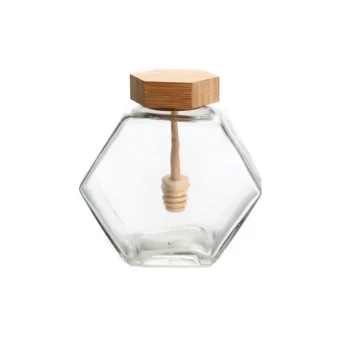
- Hexagonal Glass Honey Jar with Wooden Lid Integrated Dipper Elegant Functional Storage
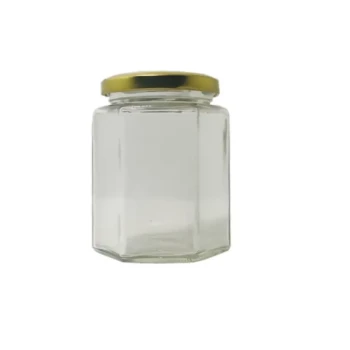
- Hexagonal Glass Honey Jars with Metal Lug Caps Elegant Versatile Packaging
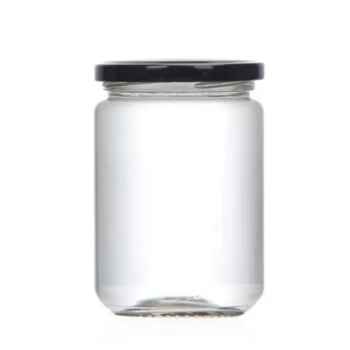
- Classic Round Glass Honey Jar with Lid
- Classic Drum Shaped Glass Honey Jar with Airtight Lid
- Modern Square Glass Honey Jar with Twist Off Lid
People Also Ask
- What are the benefits of glass jars regarding strength and safety for storing honey? Ensure Purity and Long-Term Quality
- What are the advantages of using glass jars for honey storage? Ensure Purity and Premium Appeal for Your Product
- What is the aesthetic appeal of using glass jars for honey? Elevate Your Brand with Premium Packaging
- What are the advantages of glass containers for honey? Elevate Quality and Market Value with Premium Packaging
- What are the benefits of using high-transparency Glass Jars for honey? Elevate Purity and Premium Branding