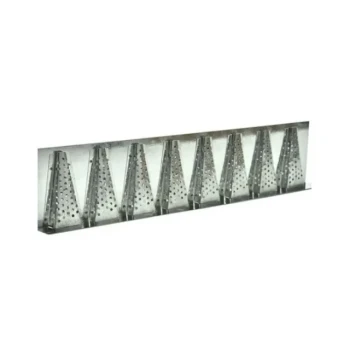
Bee escape holes serve as an essential architectural safety mechanism designed to preserve the colony during routine maintenance. Located high on the walls of cave apiaries, these openings provide a specific exit route for bees that unintentionally fly into the interior workspace when the rear of the hive is opened for inspection or harvesting.
The Core Utility These structural features address a specific challenge of enclosed apiaries: the accidental trapping of pollinators. By providing a high-level exit, the design allows displaced bees to return to the wild rather than dying inside the structure, simultaneously ensuring a safer and less chaotic environment for the beekeeper.
The Function of Escape Holes in Cave Apiaries
Solving the Enclosed Workspace Problem
In a cave apiary, the beekeeper typically works from the interior of the structure, accessing the hives from the rear. When a hive is opened for honey extraction or inspection, a number of bees will inevitably fly out into the enclosed room.
Without a designated exit, these foraging bees would become trapped within the stone structure. This leads to unnecessary bee mortality and creates a stressful, chaotic working environment for the beekeeper.
The Mechanics of the Exit
The escape holes are strategically placed high on the walls. This placement is not accidental; it is a deliberate design choice that facilitates passive bee removal without active intervention.
Instead of requiring the beekeeper to catch and release the bees, the architecture itself manages the flow of traffic. The bees exit the workspace and are free to return to the colony entrance on the exterior.
The Biological Principle: Phototaxis
Leveraging Light Attraction
Bees are naturally phototactic, meaning they are instinctively drawn toward sources of light. When trapped in a dark or dim interior, they will fly toward the brightest available point.
Architectural Alignment with Behavior
By positioning the holes high on the walls—where light enters from the outside—builders of cave apiaries utilized this biological trait. The bees naturally fly upward and toward the light of the hole, effectively "escaping" themselves.
Understanding the Trade-offs
Pest Intrusion Risks
While escape holes are vital for bee conservation, any opening in an apiary structure presents a potential vulnerability. If not properly sized, these holes can invite pests, predators, or robbers (bees from other colonies) into the protected workspace.
Climate Control Challenges
An open hole facilitates air exchange, which is generally positive, but it can also introduce drafts or moisture during inclement weather. The design relies on a balance between allowing bees to exit and maintaining a stable, dry internal environment for the hives.
Making the Right Choice for Your Goal
Whether you are studying historical apiary design or building a modern enclosure, understanding this feature is critical.
- If your primary focus is Historical Analysis: Recognize these holes as evidence of sophisticated, behavior-based architecture rather than simple ventilation.
- If your primary focus is Modern Apiary Construction: Ensure any enclosed workspace includes high-level, light-permeable exits to prevent bee entrapment during inspections.
Ultimately, the bee escape hole represents a perfect harmony between human utility and the biological needs of the colony.
Summary Table:
| Feature | Purpose | Biological/Technical Principle |
|---|---|---|
| High Placement | Facilitates natural exit route | Phototaxis (attraction to light) |
| Exit Mechanism | Prevents bee entrapment | Passive traffic management |
| Workspace Safety | Reduces bee-human conflict | Interior hive accessibility |
| Climate Impact | Ventilation & air exchange | Thermal regulation |
| Design Focus | Colony preservation | Behavior-based architecture |
Elevate Your Commercial Apiary with HONESTBEE
At HONESTBEE, we understand that sophisticated design—from historical cave apiary principles to modern machinery—is the key to a thriving beekeeping business. We specialize in supporting commercial apiaries and distributors with a comprehensive wholesale portfolio.
Our Value to You:
- Advanced Machinery: Optimize production with our hive-making and honey-filling machines.
- Complete Equipment Range: Access the full spectrum of durable beekeeping tools and essential industry consumables.
- Cultural Merchandise: Expand your market reach with our unique honey-themed cultural products.
Ready to scale your operations with premium hardware and expert solutions? Contact us today to discuss your wholesale needs and discover how HONESTBEE can streamline your path to success.
References
- Penelope Walker. Beekeeping Around the World. DOI: 10.1080/0005772x.2002.11099563
This article is also based on technical information from HonestBee Knowledge Base .
Related Products
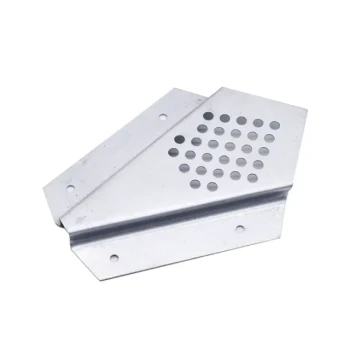
- Heavy Duty Metal Corner Bee Escape for Reliable Hive Clearing
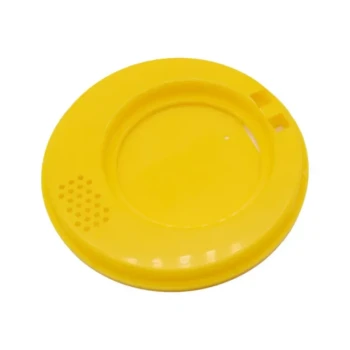
- Circular Labyrinth Bee Escape for Efficient Hive Management
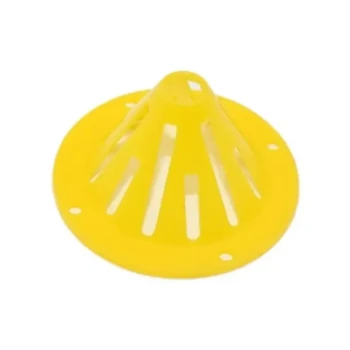
- Professional Cone Style Bee Escape for Efficient Honey Harvesting
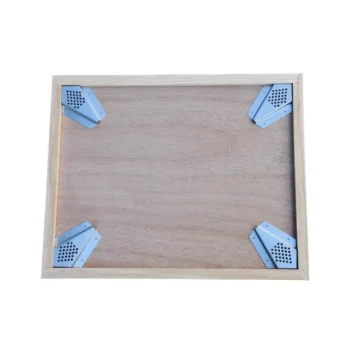
- HONESTBEE Wooden Bee Escape Board with Triangle Mesh Design for Beekeeping
- High-Efficiency Diamond Maze Bee Escape for Clearing Supers
People Also Ask
- What are some common types of bee escapes and how are they typically mounted? Optimize Your Honey Harvest Efficiency
- What is the primary function of a bee escape? Simplify Your Honey Harvest with Stress-Free Hive Management
- How can a bee escape be adapted for use in a Warre hive? Effective Customization Methods for Successful Harvesting
- How can bees be cleared off honey supers in a Langstroth hive? Use a Gentle Bee Escape
- How long should a bee escape be placed before harvesting honey? The 24-48 Hour Guide to a Stress-Free Harvest